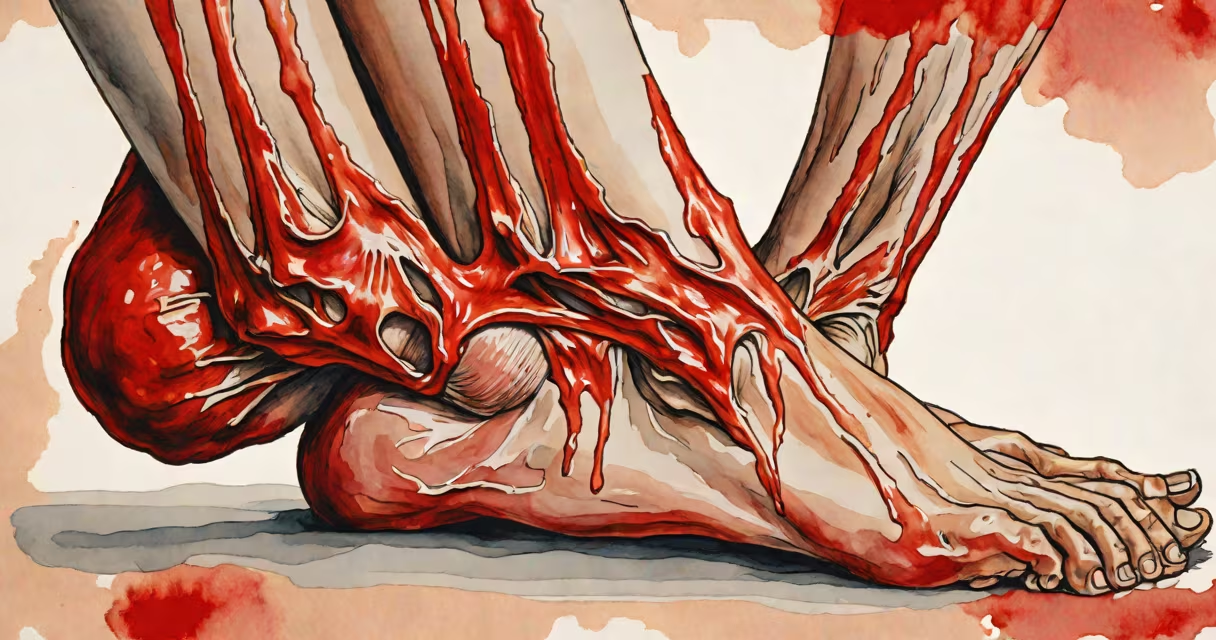
An inflamed muscle feels warm, swollen, and tender, often with localized pain that worsens with movement or pressure. The sensation ranges from dull ache to sharp, burning discomfort, especially during activity. This condition results from microtears, overuse, or trauma triggering immune responses in muscle tissue.
Inflammation is the body's natural reaction to injury. When muscle fibers sustain stress-such as during heavy lifting, sudden sprinting, or prolonged exercise-the damaged cells release chemicals like histamine and prostaglandins. These substances increase blood flow to the area, bringing immune cells to repair damage. That process causes swelling, heat, and pain-classic signs of inflammation.
A study published in The Journal of Sports Medicine confirms that inflammatory markers such as C-reactive protein rise within 6-12 hours after intense physical stress, correlating with perceived muscle soreness (Kraemer et al., 2018). This explains why delayed onset muscle soreness (DOMS) peaks 24-72 hours post-exercise-peak inflammation occurs after the initial injury.
Pain from an inflamed muscle typically develops gradually, unlike sudden tears. It may start as mild tightness and progress to persistent discomfort during movement. The affected area often feels warm to the touch and visibly swollen, especially if the strain was severe.
Key indicators include:
For example, someone who runs 10 miles without proper conditioning may develop inflammation in the quadriceps. They'll notice stiffness in the front of the thigh, difficulty bending the knee, and pain when walking downstairs. Pressing on the muscle produces a sharp, localized response-not a deep ache, which suggests deeper tissue damage.
Not all muscle inflammation stems from exercise. Different causes lead to distinct patterns of symptoms. The most common categories include:
| Type | Common Cause | Typical Location | Distinctive Features |
|---|---|---|---|
| Overuse injury | Repetitive motion, poor form | Quadriceps, hamstrings, calves | Gradual onset, pain with use, no swelling |
| Acute strain | Sudden force, sprinting, lifting | Calf, lower back, shoulder | Sharp pain, immediate swelling, heat |
| Chronic inflammation | Autoimmune conditions, infections | Multiple sites, symmetrical | Generalized fatigue, low-grade fever, persistent soreness |
One non-obvious distinction: muscle inflammation rarely causes numbness or tingling. Those sensations suggest nerve involvement, not pure muscle irritation. For instance, sciatica mimics hamstring pain but includes radiating leg numbness-indicating spinal nerve compression, not inflammation.
People often confuse inflamed muscles with muscle tears or blocked blood flow. A key difference lies in the timing and nature of pain. Inflammation usually develops over hours to days after exertion. A tear, however, causes sudden, intense pain-often described as "like being kicked" or "a pop."
Consider this example: After a weekend of gardening, a 45-year-old man feels soreness in his left calf. The pain increases when standing on tiptoe or walking uphill. He notices slight swelling and warmth. This pattern fits acute muscle strain with inflammation. But if he had heard a loud snap and couldn't bear weight, it would suggest a tear-requiring imaging to confirm.
Another common confusion: inflamed muscles versus vascular blockages. A blockage in a limb artery-such as from a clot-causes coldness, pale skin, and sudden weakness. Pain is often described as deep and constant, not movement-dependent. Unlike inflammation, blockages don't improve with rest. If a person experiences sudden leg pain while sitting still, especially with cold extremities, they should seek emergency care.
I once treated a runner who reported severe quad pain after a hill session. He assumed it was a tear. On examination, the muscle was warm, slightly swollen, and painful under pressure-but he could still extend his knee and walk normally. MRI confirmed no fiber disruption. The diagnosis was inflammation due to unaccustomed eccentric loading. After 72 hours of rest and ice, pain resolved completely.
This case illustrates a critical point: inflammation often resolves faster than structural damage. With proper care, mild to moderate inflammation improves in 3-7 days. Persistent pain beyond that window suggests progression to a tear or another underlying issue.
Most cases of muscle inflammation resolve with rest, ice, compression, and elevation (RICE). However, see a healthcare provider if:
According to the American Academy of Orthopaedic Surgeons, persistent inflammation may indicate infection or autoimmune myositis-conditions requiring blood tests and imaging. Early intervention prevents chronic issues.
Understanding what an inflamed muscle feels like helps avoid misdiagnosis. Recognizing the gradual onset, warmth, and movement-related pain separates it from tears and circulatory problems. Use this knowledge to guide recovery and know when to consult a professional.
Recognizing the signs of an inflamed muscle allows timely action. Avoid pushing through pain that signals inflammation-rest and treatment prevent further damage. Knowing the difference between muscle soreness and injury ensures better outcomes.