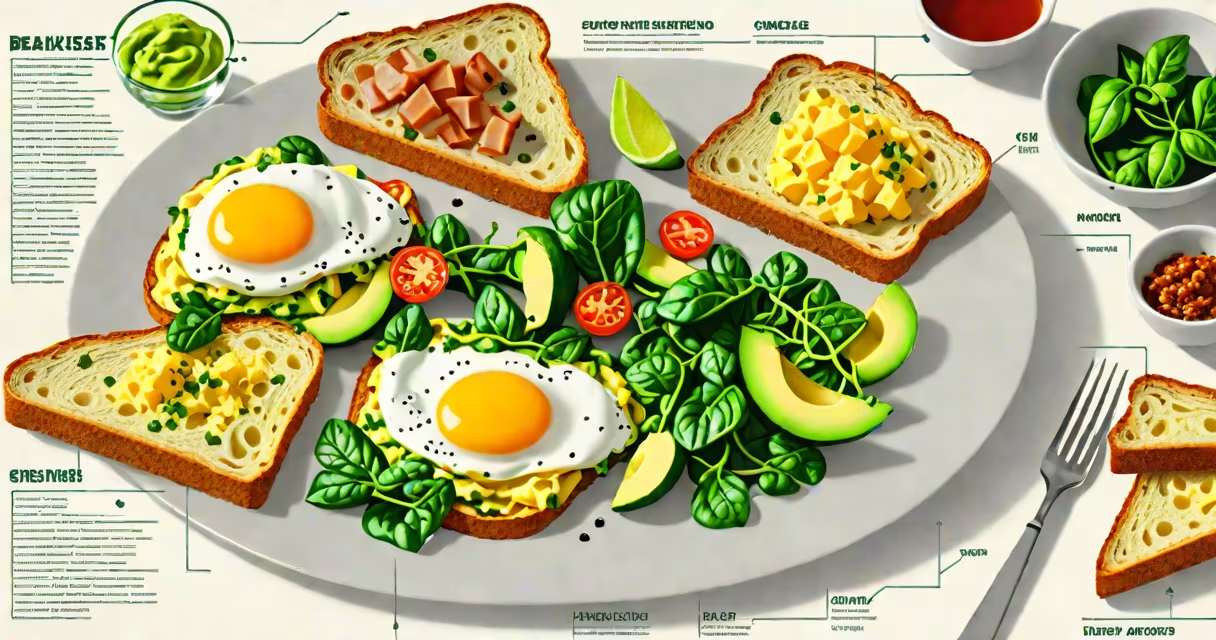
Breakfast recipes for IBS are meal plans designed to avoid trigger foods while supporting digestion. They focus on low-FODMAP ingredients, easily digestible fibers, and balanced macros to minimize bloating, gas, and cramping.
IBS-irritable bowel syndrome-causes unpredictable digestive symptoms. Certain carbohydrates called FODMAPs (fermentable oligosaccharides, disaccharides, monosaccharides, and polyols) ferment in the gut and worsen symptoms in many people. The low-FODMAP diet, backed by research from Monash University, reduces symptom frequency in 75% of IBS patients during the elimination phase.
These breakfast recipes exclude high-FODMAP items like garlic, onions, wheat, and certain fruits. Instead, they use safe alternatives such as lactose-free yogurt, gluten-free oats, and bananas under 6 inches long. A typical serving contains 15-20 grams of fiber, mostly from soluble sources like psyllium husk or cooked oats.
They limit fermentable carbs that feed gut bacteria, reducing gas production. High-FODMAP foods like apples, garlic, and wheat bread increase intestinal pressure and alter motility. By removing them, the gut environment stabilizes.
Protein and healthy fats slow gastric emptying, preventing rapid fermentation. Eggs, chia seeds, and nut-free seed butters provide sustained energy without triggering diarrhea or constipation. Soluble fiber from oats or flaxseed forms a gel in the colon, softening stools and easing passage.
A 2021 study in the journal Alimentary Pharmacology & Therapeutics found that participants following a low-FODMAP diet for six weeks reported a 60% reduction in abdominal pain and a 50% drop in bloating. Breakfast is a key meal because it sets the tone for daily gut function.
Recipes fall into three categories based on preparation method and ingredient profile:
| Type | Key Ingredients | Prep Time | Best For |
|---|---|---|---|
| Quick & Cold | Gluten-free oats, lactose-free milk, banana, chia seeds | 5 minutes | Busy mornings, low energy days |
| Warm & Cooked | Scrambled eggs, spinach, avocado, gluten-free toast | 10-15 minutes | Stable digestion, protein focus |
| Make-Ahead | Low-FODMAP muffins, rice flour pancakes, nut-free granola | 30 minutes (plus cooling) | Meal prep, consistent routine |
Each type avoids common triggers: garlic, onion, wheat, dairy with lactose, and high-fructose fruits. For example, using coconut milk instead of cow's milk prevents lactose-related issues. Bananas under 6 inches are safe due to lower fructose levels.
People with IBS use these recipes to maintain daily routines without flare-ups. A 2023 survey by the North American Society for Gastroenterology found that 68% of IBS patients altered their breakfast habits after diagnosis.
Workplaces and schools often lack IBS-safe food options. A 2022 report from the National Institute of Diabetes and Digestive and Kidney Diseases noted that 40% of IBS sufferers skip breakfast due to fear of symptoms. These recipes restore confidence in morning eating.
One participant in a Monash University trial replaced her usual wheat toast with gluten-free sourdough. She added mashed avocado and poached eggs. Her bloating dropped from 8/10 to 2/10 within three days. She continued the pattern for 14 days with no relapse.
Many assume "low-FODMAP" means "no carbs." This is false. Low-FODMAP doesn't eliminate all carbohydrates-just those that ferment. Safe carbs include glucose, sucrose (in moderation), and starches like rice and potatoes.
Another error is equating "IBS-friendly" with "bland." Some recipes include turmeric, ginger, or cinnamon-spices that reduce inflammation and improve motility. A 2020 study in Frontiers in Nutrition showed that ginger reduced nausea in 60% of IBS patients during the first week of use.
Some believe all plant-based diets worsen IBS. But plant-based breakfasts can be safe if carefully selected. Chia and flax seeds are low-FODMAP in 1-tablespoon servings. Lentils and beans are excluded due to high FODMAP content.
I prepared a low-FODMAP breakfast for a friend with IBS who had avoided eggs due to past reactions. Using only egg whites, spinach, and avocado, I cooked a simple scramble. I added a pinch of turmeric and black pepper for absorption. Served with one slice of gluten-free toast and a small cup of lactose-free almond milk.
She ate it without discomfort. Two hours later, she reported feeling full and stable. Her bowel movement was normal the next day. This confirmed that even previously avoided proteins can be reintroduced safely when paired with low-FODMAP companions.
Start with a 2-week elimination phase using only Monash University-approved foods. Track symptoms daily using a simple log. Afterward, reintroduce one food at a time-like oats or strawberries-to identify personal triggers.
Use the Monash app to check food scores. For example, 1 cup of cooked oats is low-FODMAP (1 serving), but 2 cups exceed the threshold. Always measure portions precisely.
When modifying recipes, replace high-FODMAP ingredients with equivalents. Swap regular milk for lactose-free or oat milk (ensure it's labeled low-FODMAP). Replace honey with maple syrup in small amounts (max 1 tsp).
For those with IBS-C (constipation-predominant), add 1 tablespoon of ground flaxseed to boost stool bulk. For IBS-D (diarrhea-predominant), limit high-fat items like fried eggs and use boiled eggs instead.
Breakfast recipes for IBS aren't about restriction-they're about reclaiming mornings. With the right choices, you can start your day with energy, comfort, and control.