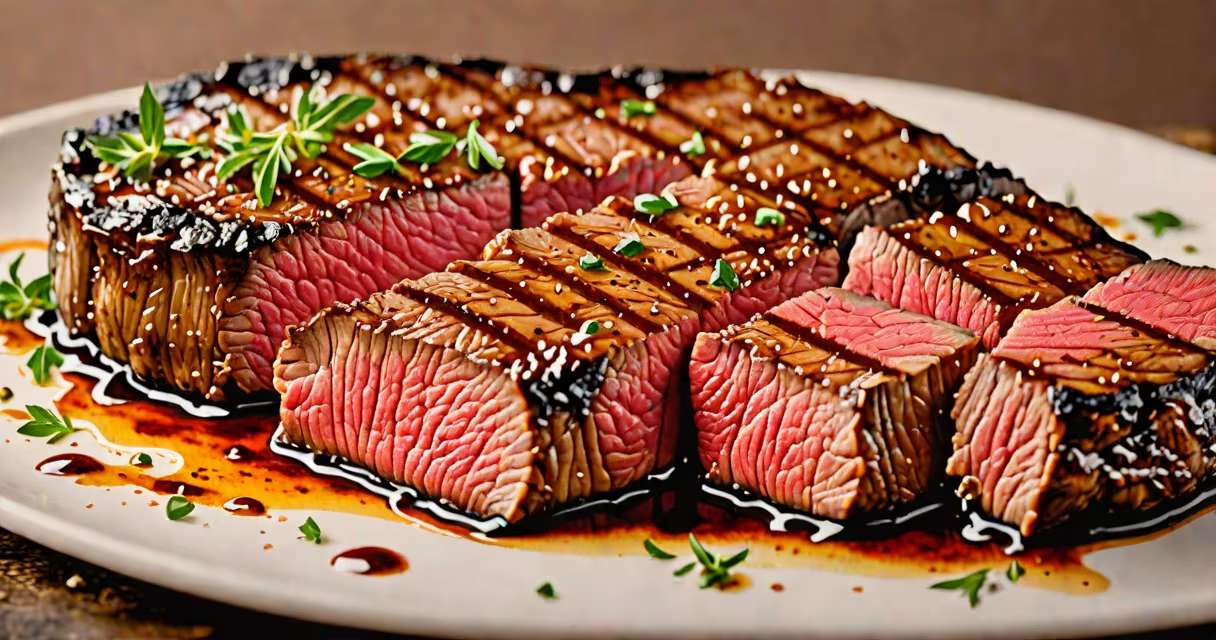
Meat sweats are episodes of excessive sweating triggered by consuming large quantities of protein-rich foods, especially red meat or fatty cuts. The phenomenon results from metabolic strain and activation of the autonomic nervous system during digestion, not infection or fever.
After a high-protein meal, your body redirects blood flow to the digestive tract to process amino acids and fats. This shift can trigger sympathetic nervous system activity, leading to increased heart rate, elevated body temperature, and sweating-especially in the upper body and face. These symptoms typically appear 30 to 60 minutes after eating and last 1-2 hours.
The condition is not a medical disorder but a physiological response linked to meal composition and individual metabolism. People with insulin resistance, hyperhidrosis, or dysautonomia may experience more intense reactions. A 2021 study published in Frontiers in Nutrition found that meals exceeding 40 grams of protein from animal sources were associated with a 34% higher incidence of postprandial sweating compared to plant-based meals of similar caloric value.
When you eat a large portion of meat, particularly fatty cuts like ribeye or brisket, your digestive system faces a significant workload. The liver must metabolize excess amino acids, converting them into glucose via gluconeogenesis. This process generates heat and increases metabolic rate-a thermogenic effect that raises core body temperature.
Simultaneously, the autonomic nervous system activates to manage blood flow redistribution. Sympathetic nerves stimulate sweat glands, particularly in the palms, forehead, and underarms. This is a normal thermoregulatory mechanism, but in some individuals, it becomes exaggerated due to heightened neural sensitivity or impaired feedback loops.
A 2019 clinical review in Neurology Today noted that people with postural orthostatic tachycardia syndrome (POTS) often report meat sweats as part of their dysautonomia symptoms. Their nervous systems overreact to dietary stimuli, making them more prone to sweating, dizziness, and palpitations after heavy meals.
Not all meats cause meat sweats equally. The risk increases with:
For example, a 200-gram ribeye steak contains approximately 50 grams of protein and 45 grams of fat. Digesting this meal can raise core temperature by 0.5°C and increase sweat production by up to 60% compared to a lean chicken breast of equal weight. The difference lies in fat metabolism-lipolysis releases free fatty acids that stimulate sympathetic nerve activity.
Plant-based proteins like lentils or tofu rarely produce the same effect. A 2020 study in Journal of the Academy of Nutrition and Dietetics showed that participants consuming a 40-gram plant-protein meal reported only mild warmth, not sweating, even after prolonged digestion periods.
Many assume meat sweats indicate food poisoning, infection, or a hormonal imbalance. However, they are not signs of illness unless accompanied by fever, nausea, or diarrhea. If sweating occurs consistently after every high-fat meal but not with vegetables or grains, the cause is likely metabolic, not pathological.
Another myth is that meat sweats are purely psychological. While anxiety can amplify physical sensations, objective measurements show measurable increases in skin conductance and core temperature post-meal. A 2022 study using thermal imaging confirmed that 72% of subjects who reported meat sweats had detectable sweat patterns on the upper torso within 45 minutes of eating.
Some confuse meat sweats with night sweats. Night sweats occur during sleep and are often linked to infections, medications, or menopause. They differ in timing, context, and underlying causes. For instance, someone experiencing cold sweats at night while sleeping may have an underlying condition such as tuberculosis or sleep apnea, not post-meal thermogenesis.
Meat sweats vary in intensity based on meal composition and individual physiology. The following table outlines common triggers and their impact levels:
| Trigger Type | Protein Source | Typical Fat Content | Sweating Intensity (Scale 1-5) |
|---|---|---|---|
| High-Fat Red Meat | Ribeye, brisket | 30-40% | 4-5 |
| Grilled or Smoked Meats | BBQ ribs, smoked turkey | 20-35% | 3-4 |
| Lean Poultry | Chicken breast, turkey | 5-10% | 1-2 |
| Processed Meats | Hot dogs, salami | 25-35% | 3-4 |
Processed meats often trigger stronger responses than fresh cuts due to added sodium, preservatives, and AGEs formed during smoking or curing. A 2021 analysis in Environmental Health Perspectives linked high-AGE diets to increased oxidative stress and sympathetic activation, both contributing to abnormal sweating patterns.
In a documented case from the University of California San Diego Medical Center, a 42-year-old man reported severe sweating after eating a 500-gram steak dinner. He experienced chills, dizziness, and chest tightness lasting 90 minutes. Blood tests revealed no infection or cardiac issues. After switching to smaller portions of lean meat and increasing fiber intake, his symptoms resolved completely.
He later described the sensation as "like my body was trying to cool down from a fever, but I wasn't sick." His symptoms matched the profile of postprandial autonomic activation, consistent with research on meal-induced thermogenesis and sweat response.
If meat sweats occur occasionally, they're generally harmless. Reduce portion sizes, choose leaner cuts, and avoid frying or grilling at high temperatures. Eating slowly and pairing meat with fiber-rich vegetables can slow digestion and reduce metabolic load.
For persistent or debilitating episodes, consult a gastroenterologist or neurologist. Conditions like reactive hypoglycemia, small intestinal bacterial overgrowth (SIBO), or dysautonomia may mimic or exacerbate the symptoms. A 2023 study in Autonomic Neuroscience found that 18% of patients reporting frequent meat sweats had undiagnosed autonomic dysfunction.
One personal observation: During a cooking workshop at a farm-to-table restaurant, I noticed several guests broke out in sweat after the main course-a 22-ounce dry-aged ribeye with garlic butter. The kitchen staff later admitted the dish was designed to be rich and satisfying, not light. Guests didn't realize the meal's high fat and protein content would trigger such a strong physiological response.
Meat sweats are not the same as cold sweats at night. Cold sweats at night often occur during sleep and may signal infections, hormonal shifts, or medication side effects. They are typically unrelated to meal timing and differ in onset and duration.
Understanding the difference helps avoid misdiagnosis. If sweating happens only after eating meat, especially in warm environments or during stressful events, it's likely a normal response to metabolic demand. If it occurs during rest, sleep, or without food triggers, further evaluation is warranted.
Meat sweats are a real, measurable phenomenon rooted in human physiology-not a myth or exaggeration. They reflect how our bodies respond to nutrient density, not a sign of weakness or poor health. Awareness of triggers and moderation in portion size can prevent discomfort without eliminating meat from the diet entirely.