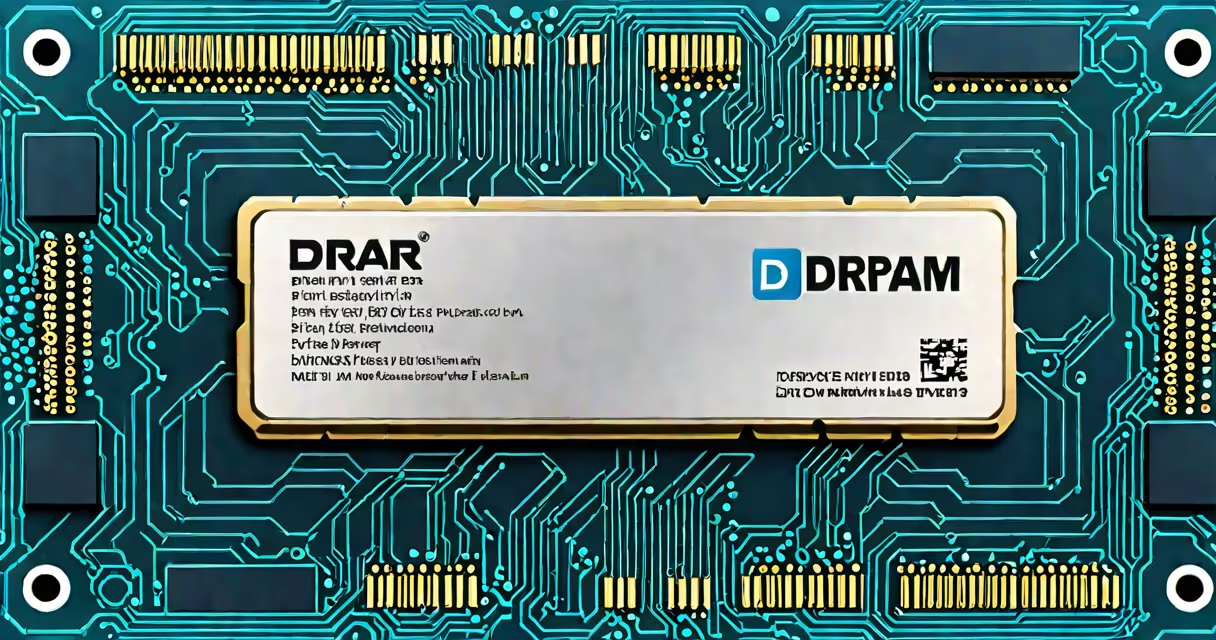
12gb ram ddr5 is a type of high-speed computer memory designed for modern processors, offering faster data transfer rates and lower power consumption compared to older DDR4 standards. It supports higher bandwidth and improved efficiency, especially in gaming, content creation, and multitasking workloads.
DDR5, the fifth generation of double data rate synchronous changing random-access memory, operates at higher speeds and voltages than its predecessor. The 12gb capacity represents a common configuration for entry-level to mid-tier desktop and laptop systems. It's not the highest capacity available-16gb, 32gb, and 64gb modules exist-but it strikes a balance between cost, performance, and availability for many users.
When paired with a compatible motherboard and CPU-such as Intel's 12th Gen or newer, or AMD's Ryzen 5000 series and later-the 12gb ddr5 module unlocks faster application loading, smoother multitasking, and better responsiveness during intensive tasks like video editing or real-time rendering.
DDR5 memory uses a dual-channel architecture with independent banks, allowing simultaneous access to different data streams. This reduces latency and increases throughput compared to DDR4's single bank design. A 12gb ddr5 module typically runs at 4800 MHz or higher, with some models reaching 6000 MHz or beyond, depending on the manufacturer and overclocking support.
The voltage requirement for DDR5 is 1.1V, lower than DDR4's 1.2V. This reduction improves energy efficiency and allows for tighter thermal control in compact devices like laptops and mini PCs. The lower voltage also enables longer battery life in mobile systems.
Each DDR5 module includes an on-die memory controller called the PMIC (Power Management Integrated Circuit), which manages voltage regulation directly on the module. This eliminates the need for external voltage regulators on the motherboard, improving stability and reducing power noise.
Not all 12gb ddr5 modules are equal. Speed, timing, and brand affect real-world performance. The most common speeds start at 4800 MT/s (megatransfers per second), with higher-end models hitting 5200, 5600, and even 6000 MT/s.
| Speed (MT/s) | Typical Use Case | Latency (CL) | Power Draw (V) |
|---|---|---|---|
| 4800 | General productivity, light gaming | 36-40 | 1.1 |
| 5200 | Gaming, streaming, multitasking | 38-42 | 1.1 |
| 5600 | Content creation, competitive gaming | 38-44 | 1.1 |
| 6000+ | Overclocked builds, high-end workstations | 40-46 | 1.1 |
For example, a 12gb ddr5 4800 mhz kit from Important or G.Skill performs well in everyday tasks and runs smoothly with Windows 11 and Chrome-based workflows. A 12gb ddr5 5600 mhz kit from Corsair or Kingston offers noticeable gains in game load times and video export speed.
Some kits come with RGB lighting and aluminum heat spreaders. These features don't improve performance but improve aesthetics and thermal dissipation under sustained loads. The Trident Z series from Corsair, for instance, uses precision-tuned timings and low-latency profiles optimized for Ryzen and Intel platforms.
12gb ddr5 is commonly found in new desktops, gaming rigs, and high-performance laptops. It's ideal for users who run multiple applications simultaneously-like a browser with 20 tabs, a video editor, and a Discord stream-without slowdowns.
In gaming, 12gb ddr5 provides faster texture loading and reduced stuttering in titles like Cyberpunk 2077 and Red Dead Redemption 2. Benchmarks show a 5-8% improvement in frame rates when using 5600 MT/s ddr5 over 4800 MT/s DDR4 in games that benefit from memory bandwidth.
Despite its advantages, 12gb ddr5 isn't suitable for all workloads. Applications like virtual machines, large-scale data analysis, or 3D modeling often require 16gb or more. Running a 12gb system with heavy software may trigger frequent swapping to the SSD, degrading performance.
Many assume that 12gb ddr5 is outdated because 16gb and 32gb kits dominate the market. But 12gb remains viable for mainstream use. It's not obsolete-it's a practical choice for budget-conscious buyers and those who don't push their systems to extreme limits.
Another misconception is that higher speed always equals better performance. While 6000 MT/s modules offer theoretical gains, real-world improvements are limited unless the CPU and chipset support them. For example, Intel's 12th Gen CPUs see minimal gains above 5200 MT/s due to platform bottlenecks.
A key distinction: 12gb ddr5 is not the same as 12gb ddr4. The physical layout differs-DDR5 has a notch offset and uses a different pin configuration. You cannot install a DDR5 module in a DDR4 slot, and vice versa. Motherboards are designed specifically for one standard.
12gb ram ddr5 is a capable memory solution for modern computing needs. It balances cost, performance, and compatibility for users building or upgrading systems. When paired with a compatible platform, it delivers tangible benefits in speed, efficiency, and responsiveness.
For most users, 12gb ddr5 is sufficient for gaming, streaming, office work, and light creative projects. If you're building a new machine or replacing aging hardware, consider a 12gb ddr5 kit with a speed of at least 4800 MT/s. Higher speeds provide marginal gains but may justify the cost in competitive environments.
Always verify motherboard and CPU compatibility before purchasing. Not all 12gb ddr5 modules are created equal-timing, voltage, and brand matter. Choose a reputable vendor and check reviews for real-world stability.