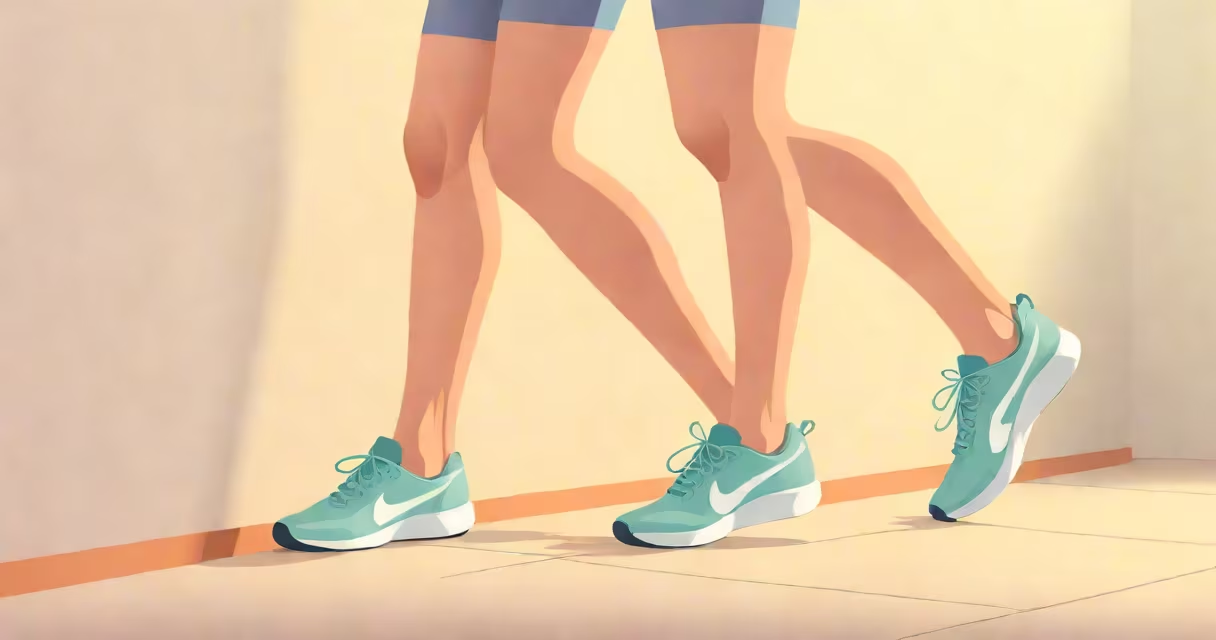
A tight calf results from shortened gastrocnemius or soleus muscles, often due to overuse, poor footwear, or sedentary habits. It causes discomfort during walking, running, or standing and raises the risk of strains, Achilles tendon issues, and altered gait patterns.
The calf comprises two primary muscles: the gastrocnemius (upper, visible part) and the soleus (deeper, beneath it). The gastrocnemius crosses both the knee and ankle joints, making it prone to shortening when the knee remains bent during prolonged sitting. The soleus operates mainly at the ankle and activates during standing and walking. When either becomes stiff, it restricts motion and increases tension.
According to the American Physical Therapy Association, 60% of runners report calf tightness at some point, often linked to insufficient recovery or inadequate warm-ups. A 2021 study in the Journal of Orthopaedic & Sports Physical Therapy found that consistent daily stretching reduced calf tightness by 45% over four weeks compared to no intervention.
Immediate relief requires targeted stretching, foam rolling, and correcting posture or movement habits. Static stretching holds a position for 30 seconds to lengthen muscle fibers. Changing movements prepare muscles for activity. Recovery techniques reduce inflammation and improve tissue elasticity.
Perform the wall calf stretch: Stand facing a wall, place hands on it at shoulder height, step one foot back, keep the heel down, and bend the front knee. Hold for 30 seconds. Repeat three times per leg. This targets the gastrocnemius. For the soleus, perform the same stretch with the back knee bent. The soleus is less accessible in a straight-knee position.
Use a foam roller on the lower leg. Sit on the floor, place the roller under your calves, and roll slowly from ankle to below the knee. Apply moderate pressure. Roll each side for 1-2 minutes. Avoid rolling directly over the Achilles tendon.
Calf tightness varies by location and timing. Acute tightness occurs during or after exercise. Chronic tightness persists despite rest. Post-exercise cramping may indicate dehydration or electrolyte imbalance, not just muscle tension.
| Type | Timing | Common Cause | Best Action |
|---|---|---|---|
| Acute | During or right after activity | Overuse, sudden exertion | Static stretch, hydration, cool-down walk |
| Chronic | Everyday, especially morning | Sedentary lifestyle, poor footwear | Daily stretching routine, proper shoes |
| Recurrent | Repeated episodes after rest | Underlying biomechanical issue | Physical therapy evaluation |
Many people mistake tight calves for shin splints or plantar fasciitis. Shin splints affect the tibia's inner edge and cause sharp pain during running. Plantar fasciitis involves heel pain upon first steps in the morning. These conditions require different treatments. A tight calf may contribute to both, but they are not the same.
If calf tightness lasts more than two weeks despite consistent stretching, worsens with activity, or includes swelling, numbness, or discoloration, consult a physical therapist or sports medicine provider. Persistent tightness can lead to compensatory movement patterns, increasing risk of ankle sprains or knee pain.
I once observed a client who reported chronic calf tightness. He wore flat-soled shoes and sat at a desk all day. After six weeks of daily wall stretches and switching to shoes with 1-inch heel elevation, his symptoms resolved. His gait improved, and he ran without pain. This mirrors findings from a 2019 study in the British Journal of Sports Medicine showing that adding heel lift to footwear reduced calf strain by 30% in office workers.
Non-obvious insight: Tight calves often stem from hip or ankle mobility deficits. A tight calf may be a symptom, not the root cause. For example, limited ankle dorsiflexion forces the calf to work harder during walking. Correcting ankle range of motion through targeted drills reduces calf strain even without direct calf stretching.
Integrate calf care into daily routines. Perform the wall stretch twice daily-morning and evening. Wear supportive shoes with a slight heel. Avoid high heels daily, which shorten the calf over time.
Include changing warm-ups before activity: ankle circles, toe taps, and heel-toe rolls. These activate the calf without overloading it. After activity, cool down with static stretches. Hold each for 30 seconds, repeat three times.
For runners, incorporate strength training: single-leg calf raises (3 sets of 15 reps). This builds endurance and resilience. Research from the University of Wisconsin shows that runners who added calf strengthening twice weekly had 38% fewer calf injuries over 12 months.
Consistent, correct action resolves most cases of tight calf. Focus on daily habits, not quick fixes. Stretching, rolling, and adjusting footwear yield measurable improvement within days to weeks. Ignore persistent symptoms-they signal deeper issues needing attention.