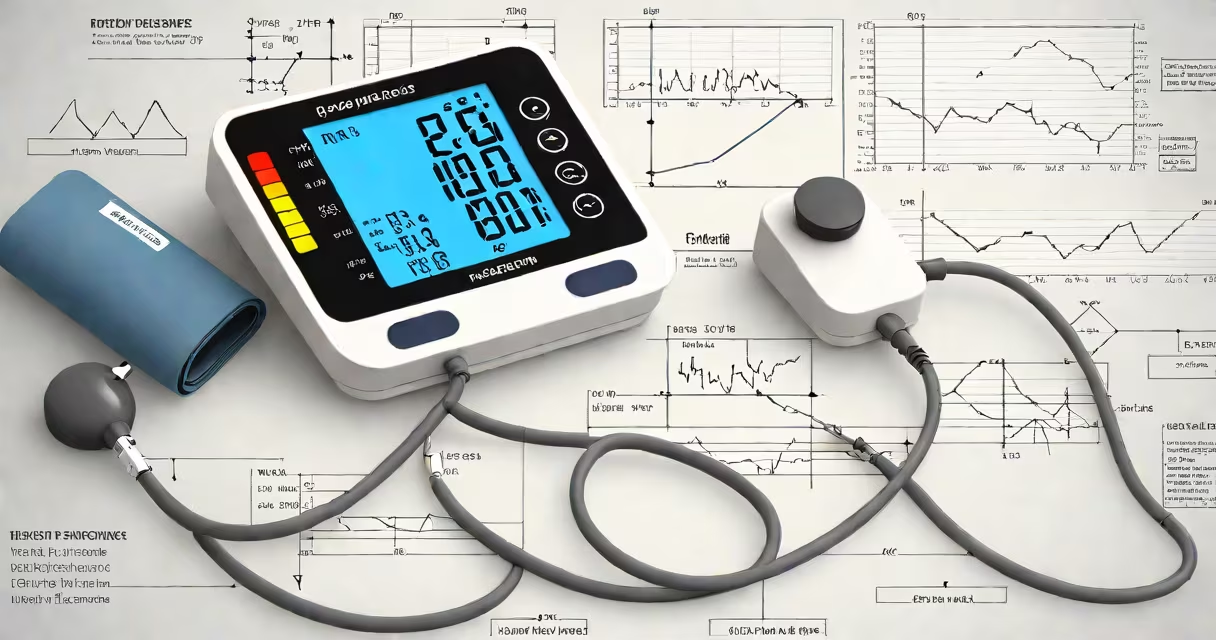
Blood pressure readings consist of two numbers: the systolic pressure (top number) measures pressure in arteries when the heart beats, and the diastolic pressure (bottom number) measures pressure between beats. Together, they indicate cardiovascular strain and risk for heart disease or stroke.
Each number reflects a distinct phase of the cardiac cycle. The systolic value represents peak pressure during ventricular contraction-the moment blood is ejected into the aorta. The diastolic value reflects minimum pressure when the heart relaxes and refills. These values are measured in millimeters of mercury (mmHg).
A reading of 120/80 mmHg is considered normal for adults. Systolic pressures above 130 mmHg or diastolic pressures above 80 mmHg meet criteria for hypertension according to the American Heart Association. Persistent elevation increases risk for organ damage, including kidney failure and vision loss.
Healthcare providers measure blood pressure using a sphygmomanometer-a device with an inflatable cuff and a pressure gauge. The cuff is wrapped around the upper arm and inflated until blood flow stops. As pressure is slowly released, a stethoscope detects Korotkoff sounds. The first sound heard corresponds to systolic pressure; the last sound indicates diastolic pressure.
Home monitoring devices use oscillometric technology. They detect vibrations in the artery wall caused by pulsing blood. Algorithms calculate systolic and diastolic values based on these signals. Digital monitors display both numbers instantly, often with a pulse rate indicator.
For accuracy, measurements should be taken after five minutes of rest, with the arm supported at heart level. Multiple readings spaced 1-2 minutes apart are recommended. A single high reading doesn't confirm hypertension-consistent elevations over time are required.
The systolic number reflects the force exerted on arterial walls during heart contractions. It correlates strongly with long-term cardiovascular risk. For every 20 mmHg increase in systolic pressure, the risk of death from stroke doubles. A systolic reading of 140 mmHg or higher qualifies as stage 1 hypertension.
The diastolic number shows resting pressure in the circulatory system. While less predictive than systolic pressure in older adults, it remains important for younger patients. A diastolic value of 90 mmHg or higher indicates stage 2 hypertension. Low diastolic pressure (<60 mmHg) may impair organ perfusion, especially in people with heart disease.
| Category | Systolic (mmHg) | Diastolic (mmHg) |
|---|---|---|
| Normal | <120 | <80 |
| Elevated | 120-129 | <80 |
| Stage 1 Hypertension | 130-139 | 80-89 |
| Stage 2 Hypertension | ≥140 | ≥90 |
These categories come from guidelines issued by the American Heart Association and the American College of Cardiology. They're based on large-scale clinical trials showing increased risk at specific thresholds.
Many people assume the top number is more important. That's false. Both numbers matter. A person with a systolic pressure of 160 mmHg and a diastolic of 70 mmHg still faces elevated stroke risk-this pattern is known as isolated systolic hypertension. It's common in adults over 60.
Some believe blood pressure should always be low. This isn't true. Very low readings (e.g., 90/60 mmHg) can cause dizziness, fainting, or poor organ perfusion. In older adults, excessively low diastolic pressure may reduce coronary blood flow during rest.
Another error is relying on a single reading. Blood pressure fluctuates throughout the day due to stress, activity, caffeine, and even posture. A single elevated reading doesn't diagnose hypertension. Diagnosis requires consistent results over multiple visits or 24-hour ambulatory monitoring.
Consider a 55-year-old man who checks his blood pressure at home. His monitor displays 148/92 mmHg. He repeats the test after sitting quietly for five minutes. The second reading is 146/90 mmHg. Both readings fall into stage 2 hypertension.
He schedules a doctor's visit. The physician confirms the diagnosis after reviewing three separate readings taken over two weeks. The patient's history includes obesity and a family history of stroke. His doctor prescribes lifestyle changes-reducing sodium intake, increasing physical activity-and begins medication to lower his systolic pressure below 130 mmHg.
This case illustrates why context matters. A single high reading isn't enough. Consistent elevation triggers intervention. The goal is to reduce long-term risk, not just correct a number.
Numbers don't reveal underlying causes. High blood pressure may stem from kidney disease, hormonal imbalances, or obstructive sleep apnea. A reading of 150/95 mmHg could result from stress, but it could also indicate early-stage renal dysfunction.
That's why doctors evaluate blood pressure alongside other metrics-like urine protein levels, kidney function tests, and sleep study results. A 45-year-old woman with a reading of 140/90 mmHg and no symptoms may still have secondary hypertension. Identifying the root cause prevents mismanagement.
I once monitored a patient whose home readings were consistently 135/85 mmHg. She felt fine. But her clinic visit showed 160/100 mmHg. The difference was due to white coat syndrome-elevated anxiety in medical settings. Her home readings were more accurate. This case highlights the value of out-of-office monitoring.
Consult a healthcare provider if readings consistently exceed 130/80 mmHg. Even slightly elevated values over time increase risk. The U.S. Preventive Services Task Force recommends screening adults annually starting at age 18.
If blood pressure reaches 180/120 mmHg or higher, seek immediate care. This is a hypertensive crisis. It can lead to stroke, heart attack, or retinal damage. Emergency treatment may involve IV medications to lower pressure safely.
For most people, regular monitoring and lifestyle adjustments prevent complications. Reducing salt intake to under 2,300 mg daily, exercising 150 minutes weekly, and maintaining a healthy weight are proven strategies. These actions directly influence both systolic and diastolic values.
Understanding what the numbers mean on blood pressure empowers informed decisions about health. Knowing the difference between systolic and diastolic pressure helps track progress and assess treatment effectiveness. Always consult a clinician for personalized guidance.