Bruno Mars is a Grammy-winning American singer, songwriter, and record producer known for blending funk, soul, pop, and R&B into chart-topping hits. Born Peter Gene Hernandez in Honolulu, Hawaii, he rose to fame in the late 2000s with a sound rooted in 1970s and 1980s retro styles, becoming one of the most consistent hitmakers of the 2010s.
Mars began performing publicly at age 12, playing guitar and singing in local venues. He moved to Los Angeles at 18 to pursue music professionally. His early work included songwriting for artists like Lil Wayne, B.o.B, and Christina Aguilera. He co-wrote "Right Round" by Flo Rida and "No Love" by Ludacris, which helped establish his reputation behind the scenes.
His debut album, *Doo-Wops & Hooligans* (2010), introduced his signature sound: upbeat rhythms, rich vocal harmonies, and theatrical flair. The lead single, "Just the Way You Are," topped the Billboard Hot 100 and earned him a Grammy for Best Male Pop Vocal Performance. The album's success launched a string of hits, including "Grenade," "The Lazy Song," and "Marry You."
Mars crafts songs with deliberate musical references. He uses live instrumentation-drums, horns, bass-over programmed beats. This hybrid approach gives his tracks a warm, organic texture. His vocal delivery combines falsetto runs, melodic phrasing, and rhythmic precision, drawing from legends like Prince, Michael Jackson, and Stevie Wonder.
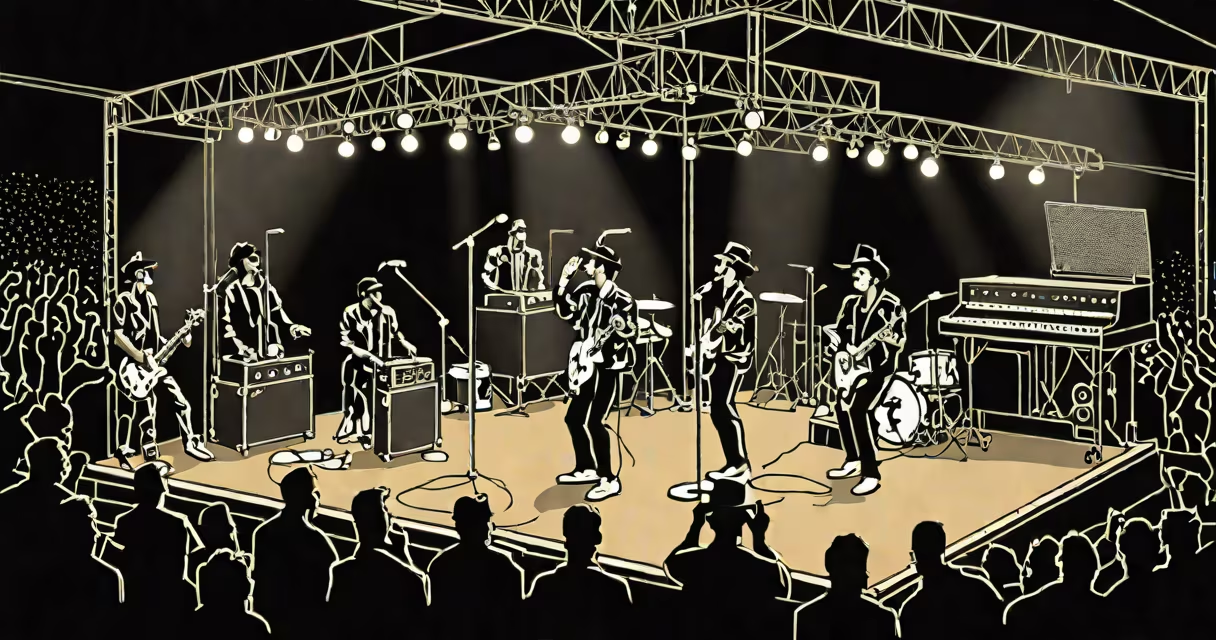
He performs in full character. His stage outfits-gold lamé suits, fedoras, sequined jackets-echo the flamboyance of 1970s soul acts. On stage, he mimics the movements of old-school performers: swaying hips, finger-pointing, exaggerated expressions. This performance style isn't just aesthetic-it's part of his brand identity.
His production team includes Philip Lawrence and Ari Levine, collectively known as The Smeezingtons. They co-wrote and produced nearly all of his major-label hits. Their collaboration process involves looping grooves, layering vocals, and refining melodies until they feel timeless. This method produced songs that sound both current and nostalgic.
Mars's discography centers on three major albums:
| Album | Release Year | Top Hit | Chart Peak (US) |
|---|---|---|---|
| Doo-Wops & Hooligans | 2010 | "Just the Way You Are" | 1 |
| Unorthodox Jukebox | 2012 | "Locked Out of Heaven" | 1 |
| 24K Magic | 2016 | "That's What I Like" | 1 |
Each album explores a different theme. *Doo-Wops & Hooligans* focuses on love and romance. *Unorthodox Jukebox* experiments with genre-"When I Was Your Man" is a piano ballad, while "Gorilla" is a playful, horn-driven track. *24K Magic* embraces 1980s funk and disco, with "Finesse" featuring a remix with Cardi B that reached #1 in 2018.
"Uptown Funk," released in 2015 as a duet with Mark Ronson, became a cultural phenomenon. It spent 14 weeks at #1 on the Billboard Hot 100 and won two Grammys. The song's success was due to its infectious groove, brass-heavy arrangement, and Mars's confident delivery. It was played at weddings, sports events, and even in political campaigns.
Mars's music appears in films, commercials, and public events. His song "Count on Me" was featured in the 2010 film *The Ugly Truth*. "Versace on the Floor" was used in a 2017 Apple commercial. His performances at award shows-especially the 2014 and 2018 Grammy Awards-drew millions of viewers.
He has performed at the Super Bowl halftime show (2023), joining Rihanna and Kendrick Lamar. His set included a medley of his biggest hits, with dancers in matching gold suits. The performance was praised for its energy and choreography, with critics calling it one of the most memorable in recent history.
A non-obvious fact: Mars writes songs in multiple languages. While most of his music is in English, he recorded parts of "Grenade" in Spanish for a Latin American release. He also sings in Hawaiian during private performances, reflecting his roots.
Some assume Mars is a solo act who writes all his songs himself. In reality, he collaborates closely with The Smeezingtons. He often co-writes lyrics and melodies but relies on producers for arrangement and engineering. His role is more that of a frontman and creative director than a sole composer.
Another misconception is that his retro style is purely imitation. Mars doesn't copy past artists-he reinterprets them. For example, "24K Magic" samples the drum pattern from "I Want You Back" by the Jackson 5 but adds modern synths and a faster tempo. He honors the past while making it new.
I once attended a concert in Las Vegas where Mars performed "Runaway" with a live band and a rotating stage. The audience sang every word. The energy wasn't just entertainment-it felt communal. That moment showed how deeply his music connects with people across ages and cultures.
Structure your narrative chronologically: early life, formative years, breakthrough, peak achievements, legacy. Avoid listing songs without context. Instead, explain how each track reflects a phase in the artist's development.
For Bruno Mars, the story isn't just about hits-it's about identity. His Hawaiian heritage, his father's Puerto Rican roots, and his upbringing in a multicultural household shaped his sound. He grew up listening to reggae, salsa, and rock. These influences aren't surface-level-they're embedded in his arrangements and vocal choices.
His stage persona, the "24K Magic" tour, and his costume designs-like the gold suit worn during the 2018 Grammys-show how visual storytelling complements music. Fans don't just hear his songs; they see and feel them. That integration of sound, image, and performance is rare and intentional.
Bruno Mars biography reveals a man who blends past and present, personal and universal. His music doesn't fade because it's built on enduring principles: rhythm, melody, authenticity. He didn't invent retro soul-but he made it relevant again. And his work continues to inspire new generations of artists.