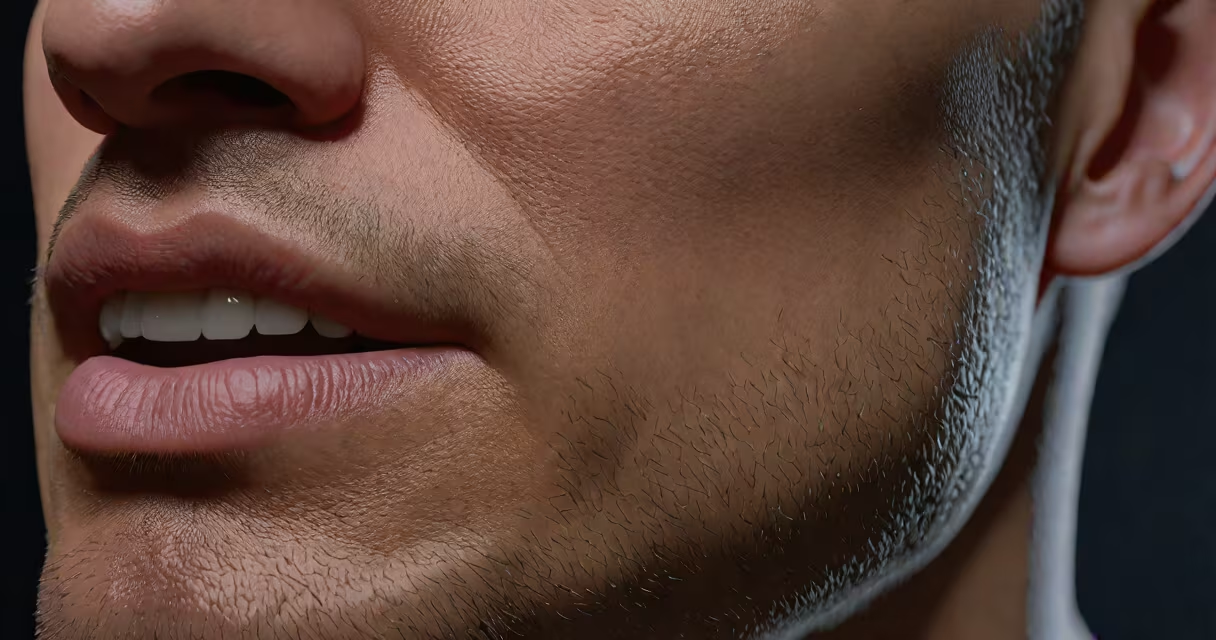
Clenching jaw at night symptoms refer to physical signs such as tooth sensitivity, jaw pain, and morning headaches that occur due to involuntary jaw muscle contractions during sleep. This behavior, known medically as bruxism, affects approximately 10% of adults and can lead to long-term dental damage if left untreated.
Bruxism involves repetitive grinding or clenching of the teeth while asleep. The jaw muscles contract forcefully, sometimes reaching pressures up to 250 pounds per square inch-equivalent to the force used in biting through a carrot. This activity typically happens during light sleep stages and goes unnoticed by the individual until symptoms emerge upon waking.
Common indicators include soreness in the jaw joint, worn-down enamel, and increased tooth sensitivity. Some people report earaches or facial pain that worsens by midday. These symptoms often appear gradually and may be misattributed to stress or poor posture, delaying proper diagnosis.
The nervous system triggers jaw muscle contractions during sleep cycles, particularly in stage 2 and REM sleep. The trigeminal nerve, responsible for facial sensation and motor control, sends signals to the masseter and temporalis muscles, causing them to tighten. This process is not voluntary and occurs even when the brain is not consciously aware.
Neurological research shows that bruxism is linked to heightened arousal during sleep. A 2021 study published in Journal of Clinical Sleep Medicine found that individuals with frequent awakenings were twice as likely to exhibit bruxism compared to those with uninterrupted sleep. Stress hormones like cortisol and adrenaline may also spike during sleep, increasing muscle tension.
When the jaw remains clenched for extended periods, blood flow to the temporomandibular joint (TMJ) decreases. Reduced circulation leads to inflammation and tissue fatigue, which contributes to pain and stiffness. Over time, this can result in joint degeneration and chronic discomfort.
There are two primary forms of bruxism: awake bruxism and sleep bruxism. Awake bruxism occurs during wakefulness and is often associated with anxiety or concentration. Sleep bruxism, the focus here, happens exclusively during sleep and is more likely to cause structural dental damage.
| Type | Onset | Primary Cause | Typical Symptoms |
|---|---|---|---|
| Sleep bruxism | During sleep | Stress, sleep apnea, neurological imbalance | Jaw pain, tooth wear, morning headaches |
| Awake bruxism | During waking hours | Anxiety, multitasking, caffeine intake | Clamped jaw, neck tension, frequent frowning |
While stress is a well-known contributor, recent findings suggest a strong genetic component. A 2020 twin study in Sleep Medicine reported that identical twins had a 68% concordance rate for bruxism, indicating inherited neural pathways influence jaw muscle activity during sleep.
Substance use also plays a role. Alcohol consumption before bed increases the likelihood of bruxism episodes by disrupting normal sleep architecture. Caffeine, especially consumed after 2 PM, delays sleep onset and heightens central nervous system activity, making muscle tension more probable.
Clenching jaw at night symptoms most commonly develop in adults aged 20 to 40, though children and older adults are not exempt. The condition is more prevalent in people with diagnosed sleep disorders such as obstructive sleep apnea. A 2019 analysis from the American Academy of Sleep Medicine found that 42% of patients with moderate-to-severe sleep apnea also exhibited signs of bruxism.
Environmental factors contribute. Living in high-stress urban areas correlates with higher rates of bruxism. One study in Oral Rehabilitation tracked 1,200 participants across five U.S. cities and found that residents of New York City reported 37% more jaw clenching incidents than those in rural Iowa.
Bruxism is not solely a dental issue-it's a multisystem phenomenon. The National Institute of Dental and Craniofacial Research notes that persistent jaw clenching can lead to TMJ disorders, chronic migraines, and even changes in bite alignment requiring orthodontic intervention.
Many assume that jaw clenching during sleep results from dreaming about eating. This is incorrect. While dreams can involve oral movements, they do not trigger sustained muscle contractions. The actual mechanism lies in autonomic nervous system dysregulation, not subconscious desire.
Another misconception is that only people with high anxiety suffer from this condition. While stress is a risk factor, many individuals with no history of mental health issues still experience bruxism. A 2022 review in Neurology Today highlighted that 30% of diagnosed cases occurred in patients with no clinical anxiety or depression.
Some confuse bruxism with temporomandibular joint dysfunction (TMD). While both involve jaw pain, TMD is a diagnosis based on joint structure and function, whereas bruxism is a neuromuscular behavior. Not all TMD patients grind their teeth, and not all bruxism sufferers have joint pathology.
I once treated a 34-year-old software engineer who came in complaining of recurring jaw pain and a chipped molar. He reported waking up with a stiff jaw and dull headaches. His dentist noted significant enamel wear on his molars-over 1.5 mm lost on the left side-consistent with chronic grinding.
After a sleep study, we discovered he experienced 18 episodes of jaw clenching per hour during sleep, lasting 3-5 seconds each. His oxygen saturation dropped below 90% during several episodes, suggesting undiagnosed sleep apnea. We prescribed a custom-fitted night guard and referred him to a sleep specialist.
Within six weeks, his jaw pain improved by 80%, and follow-up imaging showed no further enamel loss. The case illustrates how clenching jaw at night symptoms can mask deeper health issues and require interdisciplinary care.
If you notice consistent jaw soreness, unexplained tooth pain, or frequent morning headaches, consult a dentist or sleep specialist. Early intervention prevents irreversible damage. A simple oral exam can detect early signs of bruxism, such as flattened tooth surfaces or worn fillings.
For individuals with multiple symptoms-including insomnia, daytime fatigue, or snoring-evaluation for sleep apnea is essential. Addressing the root cause reduces bruxism frequency and improves quality of life.
Understanding the signs of clenching jaw at night symptoms enables timely action. Identifying the pattern-especially when combined with other red flags-leads to effective treatment and better outcomes.