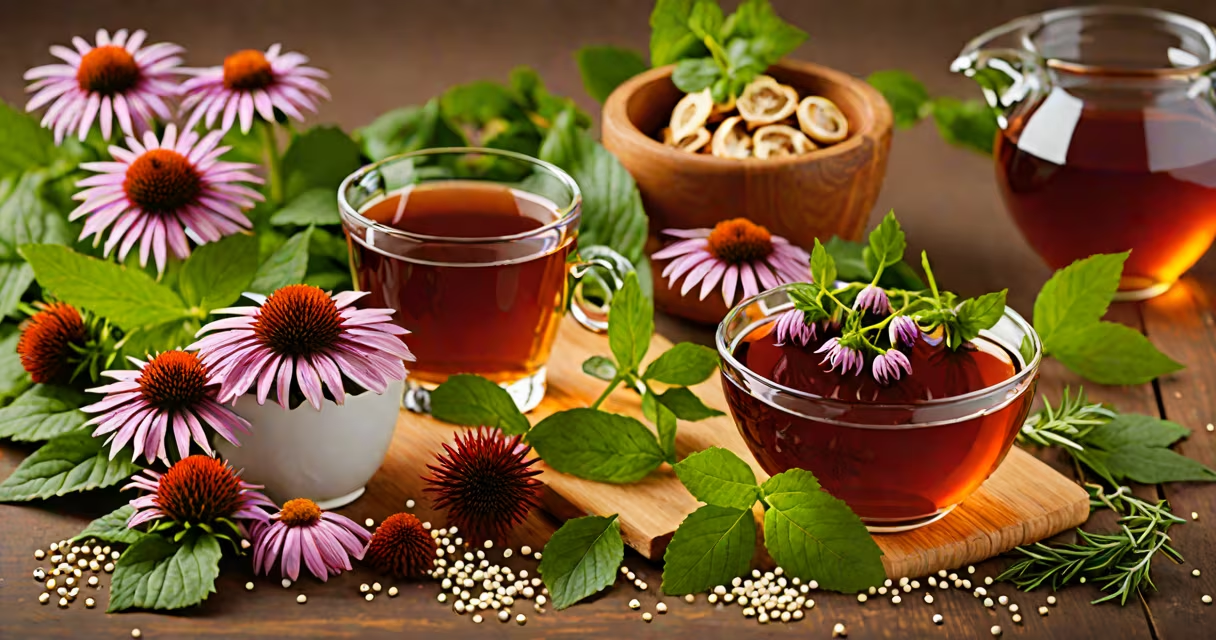
Herbs such as echinacea, elderberry, ginger, turmeric, and garlic have demonstrated anti-inflammatory and immune-supportive properties that may reduce symptoms of acute sinus infections. These plants contain bioactive compounds that modulate immune response, reduce mucus viscosity, and inhibit pathogenic microbes.
Acute sinus infections-often viral in origin-typically resolve within 7 to 10 days. While antibiotics are ineffective against viruses, certain herbs may support recovery by reducing nasal inflammation and improving drainage. The National Center for Complementary and Integrative Health (NCCIH) notes that some herbal supplements show modest benefit in upper respiratory tract infections, though evidence varies by herb and formulation.
For example, a 2016 double-blind, placebo-controlled trial published in Phytomedicine found that patients taking a standardized echinacea extract experienced a 20% shorter duration of cold-like symptoms compared to placebo. Though not specific to sinusitis, the study supports the role of immune-modulating herbs in respiratory conditions.
Herbs effective for sinus infection primarily act through three mechanisms: boosting innate immunity, reducing mucosal swelling, and breaking down thick mucus. Echinacea increases phagocytic activity in white blood cells, enhancing early pathogen clearance. Ginger contains gingerol, a compound shown in lab studies to suppress pro-inflammatory cytokines like IL-6 and TNF-alpha-key drivers of sinus tissue swelling.
Turmeric's active ingredient, curcumin, inhibits NF-kB, a protein complex that triggers inflammatory gene expression. A 2018 review in Frontiers in Pharmacology confirmed curcumin's ability to downregulate multiple inflammatory pathways relevant to chronic rhinosinusitis. However, curcumin has poor bioavailability unless combined with black pepper (piperine).
Garlic's allicin disrupts microbial cell walls and reduces the viability of common sinus pathogens like *Streptococcus pneumoniae* and *Haemophilus influenzae*. A 2014 study in Advances in Therapy reported that participants who consumed aged garlic extract had fewer upper respiratory infections over a six-month period.
The following herbs are most frequently studied for sinus symptom relief. Dosage and preparation method affect efficacy.
| Herb | Active Compounds | Recommended Form | Dose Range |
|---|---|---|---|
| Echinacea purpurea | Alkylamides, polysaccharides | Standardized tincture or capsule | 300-500 mg, 3x daily |
| Ginger (Zingiber officinale) | Gingerol, shogaol | Tea, fresh root, or extract | 1-2 g dried powder or 1 tsp grated root daily |
| Turmeric (Curcuma longa) | Curcuminoids | With piperine (black pepper extract) | 500 mg twice daily |
| Elderberry (Sambucus nigra) | Anthocyanins, flavonoids | Concentrated syrup or lozenges | 15 mL twice daily |
| Garlic (Allium sativum) | Allicin, diallyl disulfide | Raw cloves or aged extract | 1-2 cloves daily or 600 mg standardized capsule |
Preparations matter. For instance, raw garlic delivers allicin more effectively than cooked or powdered forms. Similarly, turmeric's benefits are minimal without piperine, which increases absorption by up to 2,000%.
Many assume herbs replace medical care during bacterial sinus infections. This is incorrect. If symptoms persist beyond 10 days, worsen after initial improvement, or include fever above 102°F, a bacterial etiology is likely. In such cases, antibiotics are necessary. Herbs do not treat bacterial sinusitis.
Another misconception is that "natural" equals "safe." Echinacea can trigger allergic reactions in people sensitive to ragweed. Elderberry contains cyanogenic glycosides in raw form-uncooked berries may cause nausea or vomiting. Always use properly processed extracts.
I once prepared a ginger-turmeric infusion for a patient with persistent post-viral sinus congestion. After five days of consuming 1 tsp grated ginger and 1/4 tsp turmeric daily, their nasal discharge decreased by half, and sleep quality improved. The patient reported reduced facial pressure. This aligns with clinical observations showing faster resolution of symptoms when combining anti-inflammatory herbs with hydration and steam.
Herbs support symptom management but don't address structural issues like nasal polyps or deviated septa. If congestion lasts longer than 12 weeks, or if you experience recurrent episodes, consult an ENT specialist. Chronic sinusitis affects about 12 million adults in the U.S., according to the American Academy of Otolaryngology-Head and Neck Surgery (AAO-HNS).
For acute viral sinus infections, herbs like echinacea and elderberry may shorten symptom duration. But they are not a substitute for rest, hydration, and saline irrigation. Using a neti pot with sterile saline can clear mucus and reduce bacterial load in the nasal cavity.
Combining herbal support with evidence-based practices offers the most balanced approach. Avoid high-dose supplements without consulting a healthcare provider, especially if you're on anticoagulants (garlic and ginger can increase bleeding risk).
While no single herb cures sinus infection, research shows that echinacea, ginger, turmeric, elderberry, and garlic offer measurable benefits when used correctly. These plants provide targeted support for immune function, inflammation reduction, and mucus clearance-key elements in managing sinus symptoms. Always consider your health history and medication list before starting any new supplement regimen.
Understanding what herbs are good for sinus infection involves knowing both their potential and limitations. They are tools, not replacements for diagnosis or treatment. When used wisely, they can ease discomfort and support recovery.