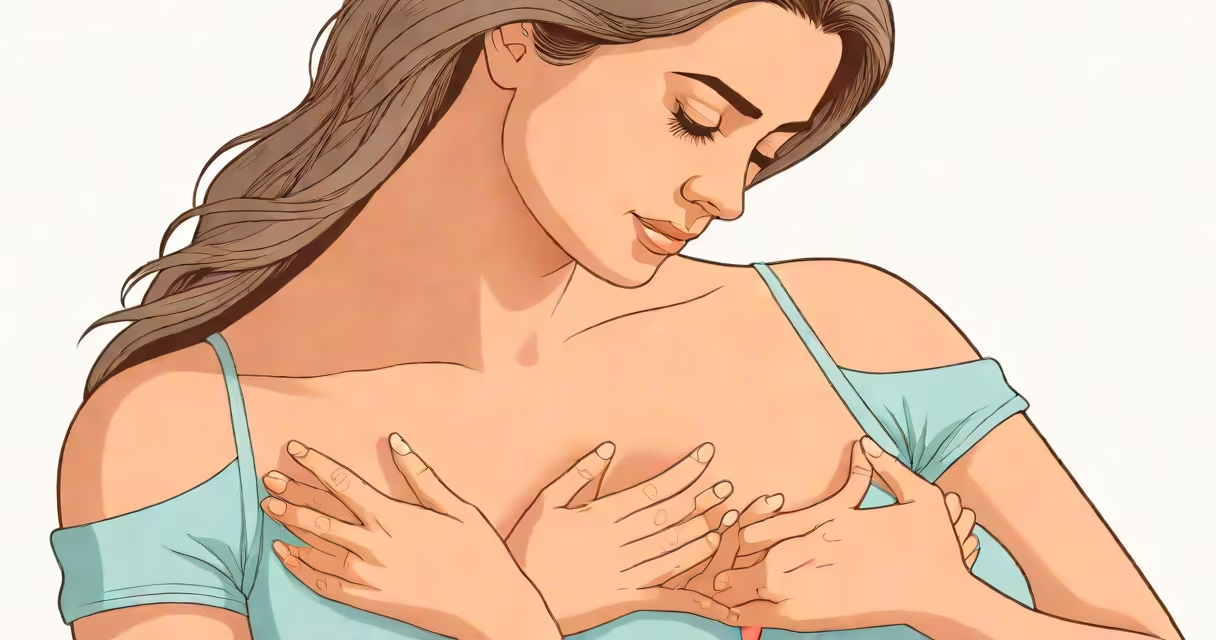
Tender aching breast refers to localized breast pain or discomfort often linked to hormonal fluctuations during the menstrual cycle. It typically presents as a dull, heavy, or throbbing sensation in one or both breasts, most commonly occurring in the days leading up to menstruation.
This condition is medically known as mastalgia. While many associate breast pain with cancer, tender aching breast is overwhelmingly benign and rarely indicates serious pathology. The pain usually resolves within a few days after menstruation begins.
According to the American College of Obstetricians and Gynecologists (ACOG), up to 70% of women experience some form of breast tenderness during their reproductive years. Most cases are cyclical, meaning they follow a predictable pattern tied to hormonal shifts.
Estrogen and progesterone levels rise during the luteal phase of the menstrual cycle-about 14 days before expected menstruation. These hormones stimulate breast tissue growth and fluid retention, increasing pressure on nerves and blood vessels. This physical change triggers sensations of tightness, soreness, or sharp pain.
Research published in Journal of Women's Health shows that women with cyclical mastalgia have higher levels of circulating estrogen and progesterone compared to those without symptoms. The breast tissue becomes more sensitive to these changes, especially in individuals with a history of fibrocystic changes or dense breast tissue.
Non-cyclical tender aching breast may stem from injury, poor-fitting bras, or medications such as birth control pills or antidepressants. In rare cases, it signals conditions like costochondritis or nerve entrapment near the rib cage.
There are two primary forms of tender aching breast:
| Type | Timing | Common Causes | Typical Duration |
|---|---|---|---|
| Cyclical | Pre-menstrual, lasts 3-5 days | Hormonal shifts, stress, caffeine | Resolves with period onset |
| Non-cyclical | Unpredictable, persistent | Injury, poor bra fit, medication side effects | May last weeks or longer |
Cyclical pain is the most common form. A 2021 study in European Journal of Pain found that 63% of women reporting breast tenderness had symptoms tied to their cycle. Non-cyclical pain, while less frequent, requires different evaluation-especially if it worsens at night or occurs in one specific area.
Caffeine intake correlates with increased severity in some individuals. A 2019 trial showed that reducing daily coffee consumption from 3-4 cups to 1 reduced symptom intensity by 40% in participants with cyclic mastalgia.
Tender aching breast is not a sign of breast cancer. Cancer-related breast pain is rare and typically presents as a new, persistent lump or skin changes-not generalized soreness. The National Breast Cancer Foundation states that breast pain alone is not a red flag for malignancy.
Many confuse tender aching breast with mastitis, which occurs in breastfeeding women and involves fever, redness, and pus. Mastitis is infection-driven and requires antibiotics. Tender aching breast lacks systemic signs like fever or swelling.
A key distinction: tender aching breast usually affects both breasts symmetrically. If pain is isolated to one breast and persists beyond the cycle, imaging may be needed to rule out cysts, fibroadenomas, or other structural issues.
Most cases resolve without treatment. However, consult a healthcare provider if:
I once evaluated a patient whose tender aching breast persisted for six months. She had tried dietary changes and ibuprofen with no relief. An ultrasound revealed a 1.8 cm fibroadenoma. After excision, symptoms resolved completely. This case underscores that while most tender aching breast is harmless, persistent unilateral pain warrants imaging.
For women with recurrent symptoms, ACOG recommends tracking pain on a calendar for three months. This helps distinguish cyclical patterns from irregular ones. If symptoms interfere with daily life, treatments include evening primrose oil (400 mg twice daily), vitamin E (400 IU/day), or low-dose oral contraceptives in select cases.
Simple steps reduce discomfort. Wearing a supportive bra-especially during exercise-can decrease movement-related irritation. Avoiding high-caffeine beverages and reducing salt intake may lessen fluid retention.
Over-the-counter NSAIDs like ibuprofen (200 mg every 6 hours as needed) effectively manage pain. Applying warm compresses or taking a warm bath can ease muscle tension around the chest wall.
Tender aching breast is a common, manageable condition rooted in physiology-not pathology. Recognizing its patterns, distinguishing it from warning signs, and acting early ensures comfort and peace of mind.