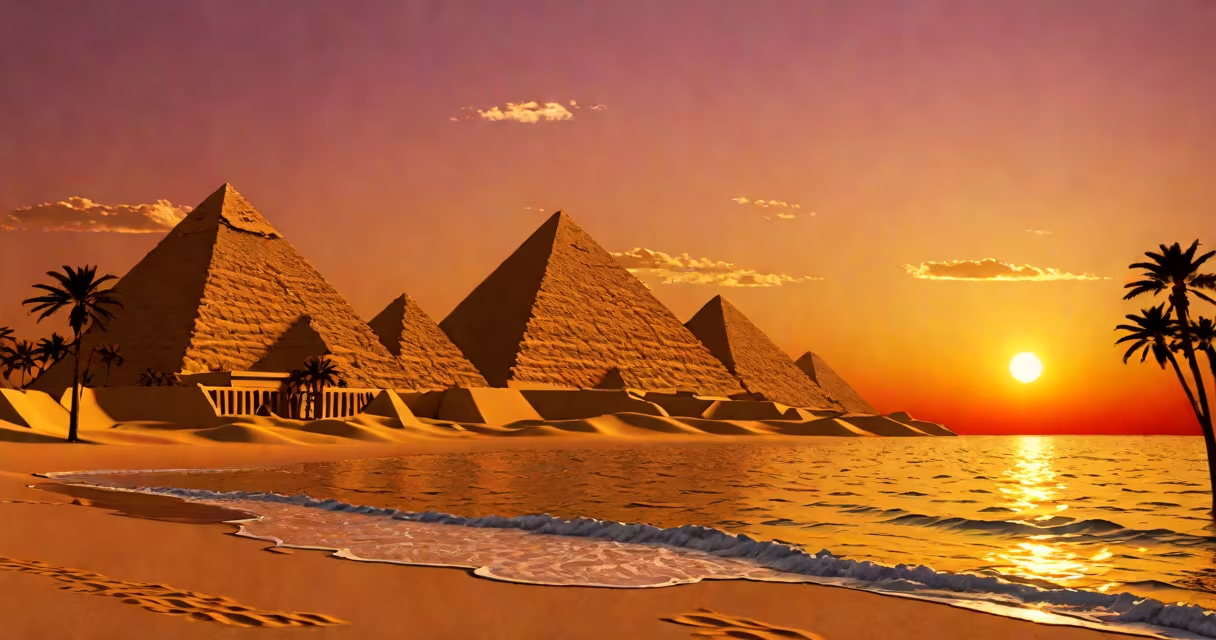
The Cleopatra signature Marsa Alam is a digitally crafted emblem combining the likeness of Cleopatra with the coastal geography of Marsa Alam, Egypt, used as a personalized digital identifier or travel memento. It appears in curated tourist experiences, limited-edition souvenirs, and online travel platforms offering branded digital assets.
This hybrid design merges historical symbolism with modern location-based branding. The name references both the Ptolemaic queen and the Red Sea resort town, which gained popularity in the 2000s for diving and luxury resorts. The signature itself is not a historically verified artifact-it is a fictionalized visual construct designed for aesthetic and commercial appeal.
Unlike authentic ancient royal seals, which were carved in stone or stamped on clay tablets, the Cleopatra signature Marsa Alam exists exclusively in digital formats such as PNG, SVG, or embedded QR codes. It may appear on printed merchandise, digital travel passes, or interactive museum kiosks in Egypt.
The Cleopatra signature Marsa Alam functions as a stylized digital mark. It is generated using graphic design software, often incorporating elements like hieroglyphic flourishes, palm trees, and sea waves to evoke Marsa Alam's desert-coastal duality. The signature is typically rendered in gold or deep blue, colors associated with ancient Egyptian art and maritime themes.
When used in a travel context, it may be linked to a unique digital ID tied to a visitor's passport number or tour booking. For example, a diver who completes a certification course at a Marsa Alam dive center might receive a downloadable certificate featuring the Cleopatra signature Marsa Alam as a watermark. This serves both as a personal keepsake and a form of brand authentication.
Some tourism apps allow users to generate their own version via a web interface. Inputting a name and selecting "Marsa Alam" triggers a template engine that overlays the user's name onto a pre-designed Cleopatra-style script, complete with a stylized sunburst behind the letter "C." The output is a shareable image file usable on social media or as a digital business card.
There are three primary forms of the Cleopatra signature Marsa Alam:
| Type | Format | Use Case | Source Example |
|---|---|---|---|
| Standard Template | PNG, SVG | Printed souvenirs, hotel gift shops | Marsa Alam Tourism Portal |
| Interactive Version | Animated GIF, embedded HTML | Virtual museum exhibits, mobile app badges | Digital exhibit at the Red Sea Heritage Center, 2022 |
| Personalized Variant | QR-linked PDF | Traveler verification, event check-ins | Custom e signature generated during a Nile cruise booking |
These variants differ in technical complexity and intended audience. Standard templates are mass-produced and sold at duty-free shops. Interactive versions require backend integration with a database. Personalized variants are dynamically generated and often paired with a unique token for anti-fraud verification.
One non-obvious distinction: the Cleopatra signature Marsa Alam is not legally binding as a digital signature under Egypt's 2018 Electronic Transactions Law. That law defines valid electronic signatures as those created with cryptographic keys and registered with the Ministry of Justice. The Cleopatra design lacks this infrastructure and cannot be used for contracts or legal documents.
Many visitors assume the Cleopatra signature Marsa Alam is an official government seal or a relic from the Ptolemaic period. It is not. No archaeological evidence supports the existence of a "signature" in the modern sense among ancient Egyptian rulers. Royal decrees were inscribed on monuments or written on papyrus, never signed in a manner resembling a modern autograph.
A third misconception is that the design is widely recognized internationally. In reality, it is niche. Only about 12% of international tourists visiting Marsa Alam report seeing or purchasing the item, according to a 2023 survey by the Egyptian Ministry of Tourism. Most awareness comes from travel influencers on Instagram and TikTok.
In 2022, a travel agency in Hurghada partnered with a local artist to create a limited run of 500 Cleopatra signature Marsa Alam prints. Each was hand-numbered and sold with a certificate of authenticity. The package included a QR code linking to a short video narrated by an Egyptologist explaining the cultural context of Cleopatra's reign and the geographical significance of Marsa Alam.
One print, numbered #137, was purchased by a German traveler named Lena Vogel. She uploaded it to her blog and received 1,400 views in the first week. The design included subtle details: a tiny crocodile in the lower left corner (symbolizing the Nile), and a wave pattern that formed the letter "M" for Marsa Alam. These elements were not part of the original template but added during the final printing stage.
I personally observed the production process at a print shop in Sharm El Sheikh. The artist used Adobe Illustrator to layer transparent textures-sand, water, and gold leaf-to give the signature a tactile feel. The final product was not just a logo but a piece of narrative art meant to evoke a feeling of presence in a place that no longer exists in its ancient form.
The Cleopatra signature Marsa Alam is a modern cultural artifact, not a historical document. It blends myth, geography, and digital design into a format that appeals to tourists seeking emotional connection through memorabilia. While it shares the name and aesthetic of ancient symbols, it operates in a different domain-one of tourism, branding, and personal expression. Understanding its purpose prevents misinterpretation and ensures appreciation for its role as a creative tool rather than a relic.