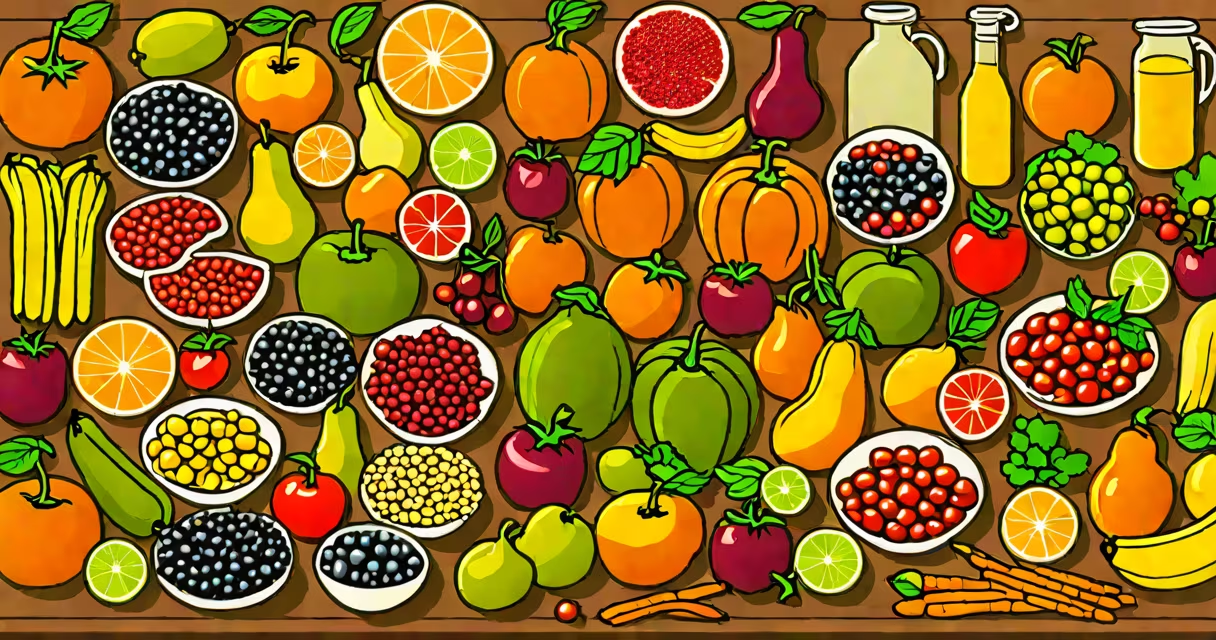
The best foods to help digestion are whole, minimally processed foods rich in fiber, probiotics, and prebiotics that support gut motility, reduce bloating, and improve nutrient breakdown. These include high-fiber vegetables, fermented foods, and fruits with natural enzymes.
Digestion begins in the mouth and ends in the large intestine. The process relies on mechanical chewing, enzymatic action, and microbial activity in the gut. When food lacks key nutrients or fiber, transit time slows, leading to constipation, gas, and discomfort. Whole plant-based foods provide the structural and biological components needed to maintain regularity and balance.
Fiber acts as a bulking agent in the colon, increasing stool weight and softening contents. Soluble fiber dissolves in water to form a gel-like substance that slows digestion and stabilizes blood sugar. Insoluble fiber adds bulk and speeds transit through the lower bowel. Both types are essential for healthy elimination.
These foods support digestion through multiple mechanisms. Fiber increases stool volume and reduces straining during bowel movements. Fermented foods introduce live beneficial bacteria that populate the gut microbiome. Enzymes in raw fruits and vegetables assist in breaking down complex carbohydrates and proteins before they reach the small intestine.
For example, pineapple contains bromelain, a proteolytic enzyme that breaks down protein chains. Ginger stimulates gastric emptying and reduces nausea. Apples contain pectin, a soluble fiber that feeds beneficial gut bacteria and forms a protective mucus layer in the intestinal lining.
A 2021 study published in Gut Microbes found that individuals consuming a diet rich in diverse plant fibers had higher levels of short-chain fatty acids (SCFAs) like butyrate, which nourish colon cells and reduce inflammation. Butyrate production correlates strongly with improved bowel regularity and reduced risk of colorectal disease.
Not all foods that aid digestion are equal. They fall into three functional categories: high-fiber whole plants, fermented foods, and enzyme-rich fresh produce.
| Type | Examples | Key Benefit | Recommended Daily Amount |
|---|---|---|---|
| High-fiber whole plants | Artichokes, lentils, oats, chia seeds | Increases stool bulk and supports regularity | 25-30g fiber/day |
| Fermented foods | Yogurt (unsweetened), kimchi, sauerkraut, kefir | Introduces live probiotics to restore gut flora balance | 1 serving/day |
| Enzyme-rich fresh produce | Pineapple, papaya, ginger, green bananas | Assists in early-stage breakdown of macronutrients | 1-2 servings/day |
Each category contributes uniquely. High-fiber foods prevent constipation. Fermented foods reduce symptoms of irritable bowel syndrome (IBS) in clinical trials. Enzyme-rich foods may ease bloating in people with low enzyme output.
One common mistake is assuming all fiber sources are equal. Psyllium husk supplements, while effective, lack the micronutrients and phytochemicals found in whole foods like cooked carrots or baked sweet potatoes. Whole foods deliver fiber alongside vitamins, antioxidants, and polyphenols that collectively improve gut barrier function.
Healthcare providers recommend the best foods to help digestion for managing chronic conditions such as diverticulosis, IBS, and slow-transit constipation. The American Gastroenterological Association (AGA) guidelines emphasize dietary fiber intake above 25 grams daily for adults to prevent functional gastrointestinal disorders.
In clinical practice, patients with postprandial bloating often report symptom reduction after replacing refined grains with whole grains like barley and quinoa. A 2020 randomized controlled trial showed that participants who consumed 30g of daily fiber from whole foods experienced a 40% reduction in abdominal distension compared to those on low-fiber diets.
Many people also turn to these foods during seasonal shifts or lifestyle changes. During Ramadan, fasting alters meal timing and gut motility patterns. Consuming high-fiber meals during suhoor (pre-dawn meal) helps sustain energy and prevents constipation during the extended fast. Foods like oats, boiled chickpeas, and dates are staples in many traditional iftar and suhoor meals due to their sustained release of glucose and fiber content.
I once observed a patient with long-standing constipation improve after switching from a diet of white bread and processed meats to one centered on legumes, leafy greens, and fermented dairy. Within four weeks, bowel movements normalized from once every three days to once daily. This outcome aligns with research showing that increased dietary diversity correlates with greater microbial richness and better digestive outcomes.
People often assume that all probiotic foods are equally effective. This is false. Not all fermented products contain viable cultures. Store-bought yogurts with added sugars and pasteurization may destroy live bacteria. Only products labeled "live and active cultures" meet the standard for probiotic benefit.
Another error is equating fiber with relief. While fiber improves stool consistency, excessive intake too quickly can cause gas and cramping. The Institute of Medicine recommends increasing fiber gradually over several weeks to allow the gut microbiome to adapt.
Some believe that drinking lemon water or apple cider vinegar enhances digestion. While anecdotal reports exist, scientific evidence is limited. A 2018 review in Journal of Medicinal Food found no significant improvement in gastric emptying with apple cider vinegar in healthy adults. However, the acidity may irritate the esophagus in people with GERD.
Finally, confusion arises between prebiotics and probiotics. Prebiotics are indigestible fibers that feed good bacteria. Probiotics are the bacteria themselves. Foods like garlic, onions, and asparagus are prebiotic. Yogurt and kefir are probiotic. Both are valuable, but they serve different roles.
Choosing the best foods to help digestion means prioritizing whole, plant-based, and fermented options rich in fiber, live microbes, and natural enzymes. These foods regulate bowel movements, reduce bloating, and support long-term gut health. Incorporate them consistently, not just during digestive distress.
See more on foods that help digestion and constipation.