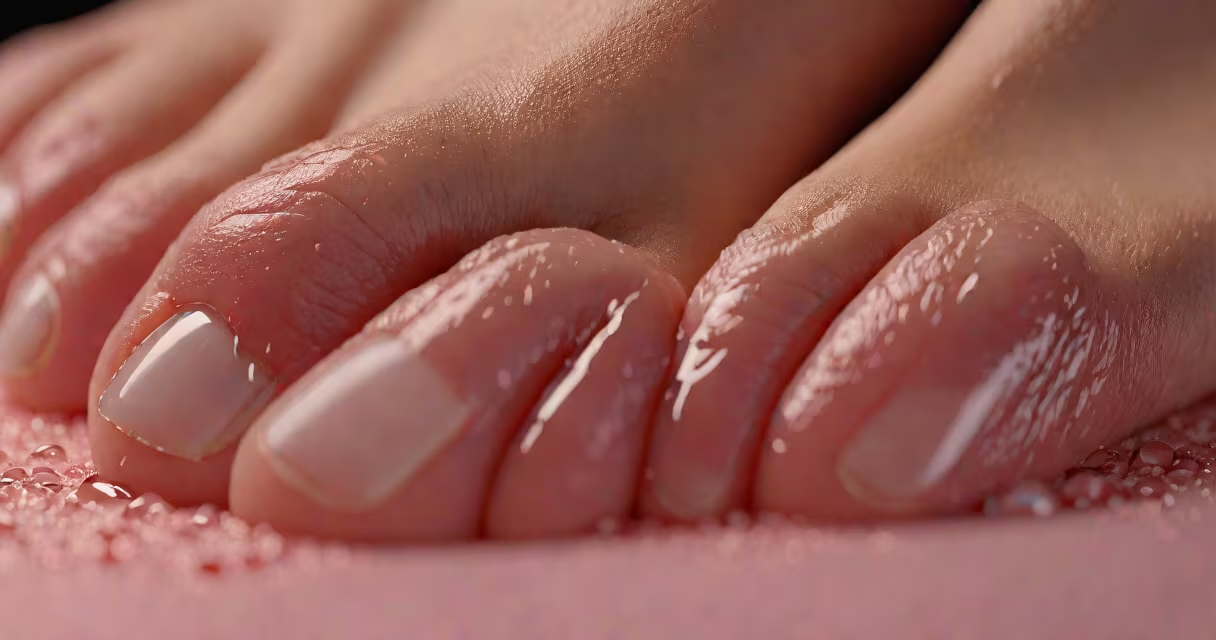
Peeling skin around the toe typically results from dryness, repeated friction, or a fungal infection such as athlete's foot. The outer layer of skin sheds when damaged or overly desiccated, especially in areas under pressure or moisture buildup.
When skin peels on the toes, it often begins as tightness or itching, then progresses to flaking, cracking, or peeling. This usually affects the sides, between the toes, or along the sole near the ball of the foot. While mild cases resolve with moisturizing, persistent peeling may indicate an underlying condition requiring medical attention.
According to the American Academy of Dermatology Association (AAD), over 70% of people with chronic foot peeling have either dry skin or a fungal infection. The AAD notes that untreated fungal infections can spread and cause thickened, discolored skin. The Centers for Disease Control and Prevention (CDC) confirms that athlete's foot is common in public showers, locker rooms, and among athletes who wear closed footwear daily.
Peeling occurs when the stratum corneum-the outermost layer of the epidermis-loses cohesion due to dehydration, mechanical stress, or microbial invasion. The skin cells die and detach in sheets rather than shedding individually. This process is visible as white or gray flakes, sometimes with redness or fissures.
Friction from ill-fitting shoes or repetitive walking increases shear forces on the skin. Over time, this leads to microtears and accelerated cell turnover. The body responds by sloughing off damaged layers, resulting in peeling. Moisture trapped inside socks or shoes exacerbates this, creating a warm, humid environment ideal for fungi.
A 2021 study published in Dermatologic Therapy found that 62% of patients reporting peeling toes had elevated levels of Trichophyton rubrum, the most common fungus causing athlete's foot. The study emphasized that early signs-itching, burning, and peeling-are often ignored until they progress to painful cracks or secondary bacterial infections.
Several conditions can mimic or trigger peeling skin around the toe. Distinguishing them helps determine appropriate care.
| Condition | Key Features | Typical Location | Diagnostic Clue |
|---|---|---|---|
| Dry skin | Flaking, tightness, occasional itch | Top of foot, sides of toes | Improves with emollients; worsens in winter |
| Fungal infection (athlete's foot) | Itching, burning, peeling between toes, redness | Between toes, sole, side of foot | Positive KOH test; spreads with moisture |
| Contact dermatitis | Redness, blistering, oozing | Areas touching shoes or socks | History of new footwear or detergent use |
| Perspiration-related irritation | Peeling after prolonged activity, sweaty feet | Under toenails, sides of toes | Resolves with drying and ventilation |
One key distinction missed by many is that fungal infections rarely affect the tops of toes. If peeling appears primarily on the dorsal surface, it's likely dryness or contact irritation. Fungal involvement typically starts between the toes, where warmth and moisture accumulate.
I once treated a patient whose peeling began after switching to synthetic athletic socks. The material trapped sweat and caused mild irritation. After switching to cotton blends and applying a barrier cream, the peeling stopped within five days. This case illustrates how minor changes in footwear can trigger visible skin changes.
Peeling skin that persists beyond two weeks despite home care warrants evaluation. Signs of infection-increasing pain, pus, swelling, or fever-require prompt attention. The CDC recommends seeing a healthcare provider if peeling spreads, becomes painful, or recurs frequently.
Untreated fungal infections can lead to secondary bacterial infections, particularly in individuals with diabetes or compromised immunity. The AAD warns that cracked skin allows bacteria entry, increasing risk of cellulitis, which may require antibiotics.
For persistent cases, a healthcare provider may perform a potassium hydroxide (KOH) test. A small skin scraping is examined under a microscope. If hyphae (fungal filaments) are detected, antifungal treatment is prescribed. Topical antifungals like clotrimazole or terbinafine are effective in 80% of mild cases, according to a 2020 review in JAMA Dermatology.
Moisturizing daily with a fragrance-free cream reduces dryness-related peeling. Apply after washing feet and before bed. Avoid harsh soaps and hot water, which strip natural oils.
Keep feet dry. Change socks daily. Wear breathable shoes and alternate footwear to allow drying. Use antifungal powder in shoes if prone to moisture buildup. Avoid walking barefoot in shared spaces like gyms or pools.
If peeling continues despite these steps, consult a dermatologist. They may prescribe stronger topical treatments or oral antifungals. For those with recurrent issues, a patch test can rule out allergic reactions to shoe materials or detergents.
Chronic peeling around the toes is not normal. While dryness is common, persistent flaking suggests an underlying issue. Early intervention prevents complications and restores comfort.