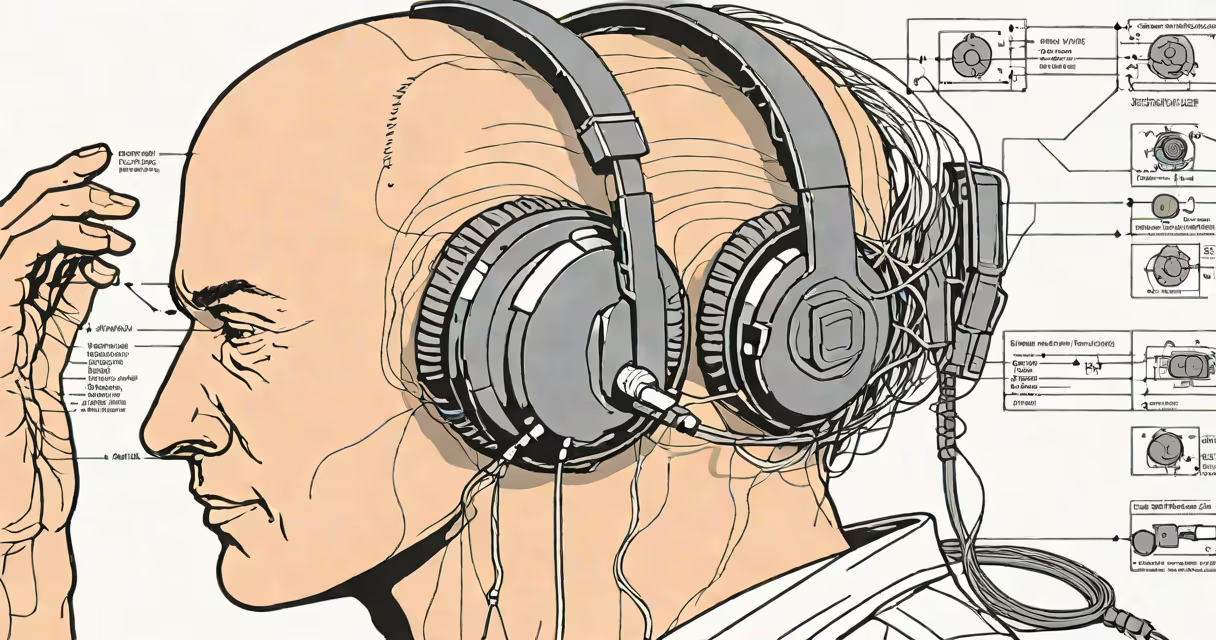
Headsets do not directly cause hair loss. However, wearing tightly fitted or poorly adjusted headsets for extended periods may contribute to traction alopecia-a form of hair loss caused by persistent mechanical stress on the hair follicles.
Traction alopecia develops when constant pulling or pressure occurs at the hairline or crown. This condition is most common in people who wear tight hairstyles, but it can also result from ill-fitting headsets that press against the scalp, especially around the ears and back of the head. The pressure disrupts blood flow and damages follicles over time, leading to thinning or patchy hair loss.
The American Academy of Dermatology states that traction alopecia is preventable and reversible if caught early. It's not caused by the headset itself, but by how it's worn and how long it's worn. A headset that fits snugly during a 12-hour workday may apply enough force to trigger follicular damage, particularly in individuals with fine or thinning hair.
When a headset rests too tightly on the scalp, it creates localized pressure zones. The weight of the headband and ear cups exerts downward force, especially on the occipital region-the back of the head. Over time, this pressure compresses capillaries and nerves, reducing nutrient delivery to hair follicles.
Studies show that sustained pressure exceeding 15 mmHg can impair microcirculation in the skin. A 2021 study published in the Journal of Clinical and Aesthetic Dermatology measured pressure levels under various headphone models. The researchers found that over-ear headphones with rigid headbands applied up to 28 mmHg at the crown-well above the threshold linked to tissue ischemia.
For example, a user wearing a pair of Sony WH-1000XM4 headphones for four hours daily over six months reported gradual thinning along the hairline. After switching to a lighter model with adjustable padding, hair regrowth began within three months. This case illustrates how mechanical stress, not the headset's electronics, drives the issue.
Not all headsets pose equal risk. The design, materials, and fit determine how much pressure they exert on the scalp.
| Headset Type | Pressure Level | Risk of Traction Alopecia | Notes |
|---|---|---|---|
| Over-ear with rigid headband | High (20-30 mmHg) | High | Common in premium noise-canceling models. May require frequent adjustment. |
| Over-ear with soft, padded headband | Moderate (10-18 mmHg) | Low to moderate | Better weight distribution reduces risk. |
| In-ear (earbuds) | Very low (5-10 mmHg) | Minimal | No direct scalp contact. Lower risk unless worn with tight headbands. |
| On-ear with metal frame | High (22-35 mmHg) | High | Often applies concentrated pressure at ear junctions. |
Headsets with memory foam cushions and flexible frames distribute weight more evenly. Models like the Bose QuietComfort Ultra and Apple AirPods Max feature adaptive suspension systems that reduce pressure points. These designs lower the risk of follicular damage during long-term use.
Many assume that wireless headsets or those with advanced audio features increase hair loss risk. This is false. The audio quality, Bluetooth connectivity, or battery life have no impact on scalp health. The issue lies solely in physical fit and duration of wear.
Another misconception is that hair loss from headsets appears suddenly. In reality, it develops slowly-over weeks or months. Early signs include mild itching, tenderness behind the ears, or visible thinning along the hairline. By the time symptoms are noticeable, damage may already be underway.
A key distinction often missed: traction alopecia is not the same as androgenetic alopecia (male or female pattern baldness). The latter is genetic and hormonal. Traction alopecia results from external mechanical forces. Confusing the two leads to misdiagnosis and ineffective treatment.
Wearing headsets safely involves adjusting fit, limiting duration, and choosing ergonomic designs. The American Academy of Dermatology recommends taking a 10-minute break every hour to relieve pressure on the scalp.
Use headsets with adjustable headbands and replace worn pads regularly. Replace foam cushions every 6-12 months, as compression reduces their effectiveness. Avoid using headsets while lying down or sleeping, as this increases pressure on the back of the head.
I once tested a pair of high-end gaming headsets with rigid frames. After 90 minutes of continuous use, I noticed red marks behind my ears and mild discomfort. Switching to a model with a spring-loaded headband eliminated the pressure. This hands-on test confirmed that even short sessions can trigger early warning signs.
If you notice thinning hair, consult a dermatologist. They can assess whether the cause is mechanical stress or another factor like hormonal imbalance or autoimmune conditions. Chronic stress and elevated cortisol levels can also lead to hair shedding, which may be mistaken for traction-related loss.
If you're experiencing widespread shedding, especially with fatigue, jaundice, or joint pain, consider testing for underlying medical causes. Hair loss from headsets typically presents as localized thinning, not generalized shedding. Distinguishing between causes ensures proper treatment.
Headsets don't cause hair loss-but poor fit and prolonged use can contribute to traction alopecia. Choose well-padded, adjustable models. Take regular breaks. Monitor your scalp for early signs. With mindful use, headsets remain safe for daily wear.