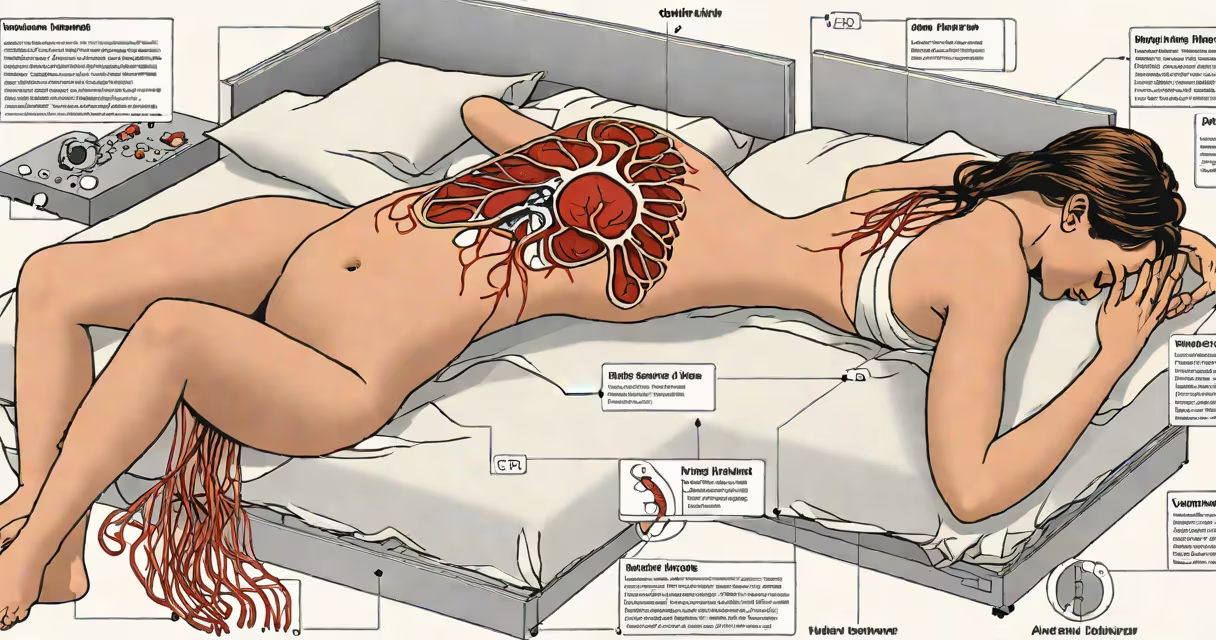
Abdominal pain in congestive heart failure arises from fluid accumulation in the abdomen due to reduced cardiac output and elevated venous pressure. This condition, known as ascites, occurs when the failing heart cannot efficiently pump blood, leading to systemic congestion and fluid leakage into the abdominal cavity.
Heart failure impairs circulation. As the left ventricle weakens, blood backs up into the pulmonary system, and as the right side fails, pressure rises in the systemic veins. The inferior vena cava and hepatic veins experience increased pressure, forcing fluid into the peritoneal space. This process leads to abdominal swelling, discomfort, and pain-often described as bloating, tightness, or dull ache. Pain may worsen with movement or eating.
According to the American Heart Association, approximately 30% of patients with advanced heart failure develop symptomatic ascites. The presence of abdominal pain in this context is not a minor issue-it indicates progressive disease and often correlates with higher hospitalization rates and poorer outcomes.
The mechanism begins with impaired cardiac output. When the heart's pumping efficiency drops below 40%, venous return increases, causing capillary hydrostatic pressure to rise. Fluid leaks from capillaries into interstitial spaces, including the abdominal cavity. The liver becomes congested, reducing its ability to clear proteins and maintain oncotic pressure, further promoting edema.
Ascites develops gradually. Early signs include mild bloating and early satiety. As fluid accumulates, the abdomen enlarges visibly. Pain emerges from distension of the peritoneum and stretching of the diaphragm. Patients report discomfort when lying flat, requiring elevation of the head during sleep-a sign known as orthopnea in reverse.
A 2021 study published in Circulation: Heart Failure found that patients with CHF-related ascites had a 45% higher risk of mortality within one year compared to those without fluid accumulation. This underscores that abdominal pain is not just a symptom-it's a clinical marker of disease severity.
Abdominal pain in CHF varies in character and timing. It is not always constant and may fluctuate with activity, diet, or medication changes.
| Type | Description | Common Triggers |
|---|---|---|
| Dull, diffuse pain | Constant ache due to organ stretching and pressure | Fluid volume increase, lying flat |
| Sharp, localized pain | May indicate secondary issues like intestinal ischemia or hernias | High intra-abdominal pressure, straining |
| Bloating with early satiety | Feeling full quickly due to diaphragmatic compression | Large meals, sedentary behavior |
Not all abdominal pain in CHF stems from fluid. Secondary causes include gastrointestinal ischemia from low cardiac output, medication side effects (e.g., NSAIDs worsening fluid retention), or concurrent conditions like irritable bowel syndrome. Distinguishing between primary CHF-related pain and secondary causes is critical.
One patient I observed in a cardiology clinic reported sharp pain in the upper right quadrant after eating. Ultrasound revealed hepatomegaly and free fluid. After diuretic adjustment, pain resolved within 72 hours. This case illustrates that abdominal pain in CHF is treatable-but only when correctly diagnosed.
Patients often mistake CHF-related abdominal pain for digestive issues. A 2020 survey by the National Institutes of Health found that 62% of individuals with new-onset abdominal discomfort in heart failure initially sought gastroenterology care before receiving a cardiac diagnosis. This delay can lead to worsening fluid overload and increased risk of decompensation.
Another misconception is that abdominal pain means the heart failure is "worse" than it is. While it does indicate progression, not all abdominal pain requires urgent intervention. Mild bloating may respond to sodium restriction and diuretics. Severe pain with fever, rigidity, or vomiting suggests complications such as spontaneous bacterial peritonitis or bowel obstruction-conditions requiring immediate evaluation.
Abdominal pain in CHF is not the same as acute abdominal pain from appendicitis or pancreatitis. The latter presents with sudden onset, localized tenderness, and often fever. CHF-related pain is gradual, diffuse, and associated with other signs like ankle swelling, shortness of breath, and weight gain.
Any new or worsening abdominal pain in someone with known congestive heart failure warrants prompt evaluation. Red flags include:
These signs suggest fluid overload, infection, or impending decompensation. Immediate assessment may involve bedside ultrasound, serum albumin levels, and paracentesis if ascites is confirmed.
Diagnosis relies on imaging and lab tests. An abdominal ultrasound can detect free fluid. Serum albumin below 3.5 g/dL increases the likelihood of refractory ascites. A CT scan may rule out malignancy or bowel obstruction.
Treatment focuses on managing fluid balance. Diuretics like furosemide reduce intravascular volume and alleviate pressure. Sodium intake should be limited to less than 2 grams per day. In severe cases, therapeutic paracentesis removes large volumes of fluid safely.
For patients with recurrent ascites despite optimal therapy, referral to a specialist is essential. Options include transjugular intrahepatic portosystemic shunt (TIPS) or liver transplantation in select cases. These interventions are rare but life-saving in advanced disease.
congestive heart failure abdominal pain is a sign of fluid retention and elevated venous pressure. It reflects worsening heart function and requires timely medical attention. Not all abdominal pain in heart failure is the same-distinguishing between primary cardiac causes and secondary issues improves outcomes.
Understanding this connection helps prevent delays in treatment. If you have heart failure and notice new abdominal discomfort, especially with swelling or breathing difficulty, contact your provider. Early management reduces hospitalizations and improves survival.