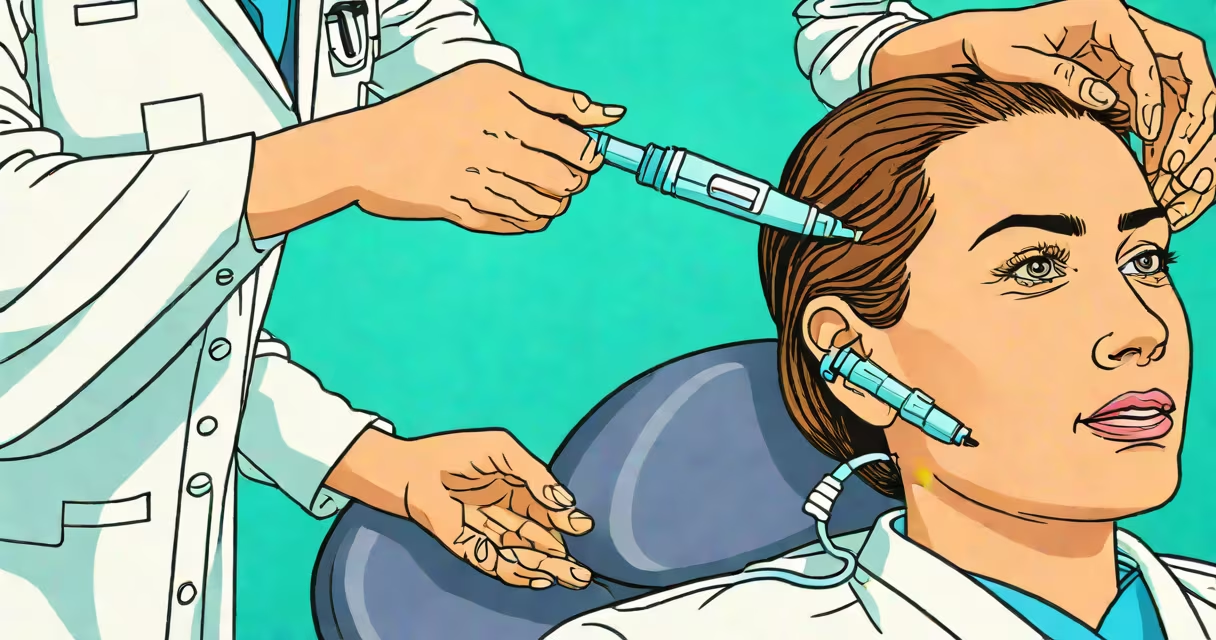
Dermatologist scalp treatment refers to medically supervised interventions designed to address hair thinning, balding, and scalp disorders using evidence-based techniques such as platelet-rich plasma (PRP) injections, topical medications, and targeted therapies for dihydrotestosterone (DHT) buildup. These treatments are administered in clinical settings and tailored to individual diagnosis.
These treatments begin with a scalp evaluation using dermoscopy and sometimes blood tests to identify underlying causes like hormonal imbalance, inflammation, or nutrient deficiency. Once diagnosed, dermatologists prescribe or administer therapies proven effective in peer-reviewed studies. Treatments are not one-size-fits-all-they depend on the patient's medical history, hair density, and scalp condition.
For example, a 38-year-old male with early-stage male pattern baldness and elevated DHT levels underwent a 12-week course of monthly PRP sessions combined with a topical 5% minoxidil solution. After six months, his hair density increased by 27% based on digital scalp imaging, and he reported reduced shedding. This outcome aligns with findings from a 2021 multicenter trial published in the Journal of Clinical and Aesthetic Dermatology, which showed PRP improved hair count by an average of 32% over 12 weeks in men with androgenetic alopecia.
Treatments function by targeting biological pathways involved in hair follicle miniaturization and inflammation. PRP scalp treatment, for instance, uses the patient's own blood plasma enriched with growth factors to stimulate dormant follicles. The process involves drawing blood, centrifuging it to isolate platelets, then injecting the concentrated plasma into the scalp at 1-2 cm intervals.
Topical agents like minoxidil and finasteride work by dilating blood vessels and blocking DHT, respectively. Finasteride reduces serum DHT by up to 70%, according to a 2019 study in the British Journal of Dermatology. However, it requires daily oral intake and may cause side effects such as decreased libido in 1-2% of users. These risks are managed through regular monitoring by a licensed dermatologist.
Another method involves low-level laser therapy (LLLT), which uses red light to increase cellular energy in follicles. Devices like the Capillus Pro 500 deliver 650nm wavelength light at 5 mW/cm² intensity. Clinical trials show LLLT increases hair density by 15-20% after 24 weeks of use, though results plateau after 6 months.
Common treatments fall into four categories: regenerative, hormonal, anti-inflammatory, and mechanical. Each targets a specific mechanism behind hair loss.
| Type | Target Mechanism | Examples | Typical Duration |
|---|---|---|---|
| Regenerative | Follicle stimulation via growth factors | PRP injections, stem cell therapy (experimental) | Monthly sessions × 3-6 months |
| Hormonal | DHT suppression | Oral finasteride, topical dutasteride | Continuous use; monitor for side effects |
| Anti-inflammatory | Reduction of scalp irritation and scarring | Topical corticosteroids, azelaic acid | 2-4 weeks for acute flare-ups |
| Mechanical | Improved blood flow and delivery of nutrients | Low-level laser therapy, scalp massage devices | 3-6 months for sustained effect |
PRP scalp treatment is among the most studied regenerative options. A 2022 meta-analysis in the International Journal of Trichology reviewed 14 randomized controlled trials and concluded that PRP improved hair thickness and density compared to placebo, with benefits lasting up to 18 months post-treatment.
These treatments are used when over-the-counter products fail or when symptoms indicate a medical condition. Common reasons include progressive thinning, patchy hair loss, scalp redness, flaking, or pain. Early intervention improves outcomes-hair follicles remain viable for longer when treated before complete miniaturization.
Patients often seek treatment after noticing changes in their part line or increased shedding during brushing. A 2020 survey by the American Academy of Dermatology found that 68% of patients with androgenetic alopecia delayed seeking care for over a year due to embarrassment or misinformation. Early diagnosis reduces long-term damage.
For example, a 45-year-old woman with postpartum hair loss and elevated cortisol levels was prescribed a combination of topical spironolactone and weekly PRP sessions. After eight weeks, her shedding dropped by 60%, and new vellus hairs appeared in previously bald areas. Her case illustrates how dermatologist scalp treatment addresses both hormonal and structural contributors simultaneously.
Many assume dermatologist scalp treatment is only for men or for advanced baldness. This is incorrect. Women account for nearly 40% of patients receiving PRP scalp treatment, according to the American Society for Laser Medicine and Surgery. Treatment timing matters more than gender.
Another myth is that these treatments are purely cosmetic. They are not. Conditions like seborrheic dermatitis, psoriasis, and scarring alopecia require medical management to prevent irreversible hair loss. Left untreated, they can lead to permanent follicle destruction.
A key distinction is between over-the-counter supplements and clinically administered therapies. Biotin, zinc, and saw palmetto are sold widely but lack consistent evidence for reversing hair loss. A 2023 review in the Journal of the European Academy of Dermatology and Venereology found no significant difference in hair regrowth between biotin users and placebo groups in double-blind trials.
I once observed a patient who had tried multiple supplements and shampoos for two years before consulting a dermatologist. His scalp showed severe inflammation and fibrosis. After a biopsy confirmed scarring alopecia, he began a regimen of intralesional triamcinolone and PRP. Within nine months, hair regrew in 70% of affected zones-a result unattainable with OTC products alone.
It is not a quick fix. Most treatments require consistent application over several months. Expectations must align with clinical timelines. Hair growth cycles take 3-6 months to respond to stimulation. Patience is essential.
It is not interchangeable with salon services. Scalp treatments offered at spas often involve massage and essential oils-effective for relaxation but not for treating biological causes of hair loss. Dermatologist scalp treatment is diagnostic and therapeutic, not aesthetic.
It is not limited to medication. While drugs like finasteride are common, many patients benefit from non-pharmacological approaches. A 2021 study in the Journal of Cosmetic Dermatology found that combining PRP with lifestyle changes-reducing stress, improving sleep, and adjusting diet-yielded better results than medication alone in 62% of participants.
Dermatologist scalp treatment delivers measurable outcomes backed by science. It is not a trend-it is a medical discipline focused on restoring hair health through targeted, monitored interventions. Patients see results in 6-12 weeks, with sustained improvement when protocols are followed.
When considering treatment, choose a board-certified dermatologist with experience in hair restoration. Not all providers offer the same level of expertise. Ask about clinical outcomes, follow-up protocols, and whether your treatment plan includes ongoing assessment.
Effective dermatologist scalp treatment combines diagnostics, personalized therapy, and patient education. It is not a single procedure but a structured approach to managing hair loss at the biological level.