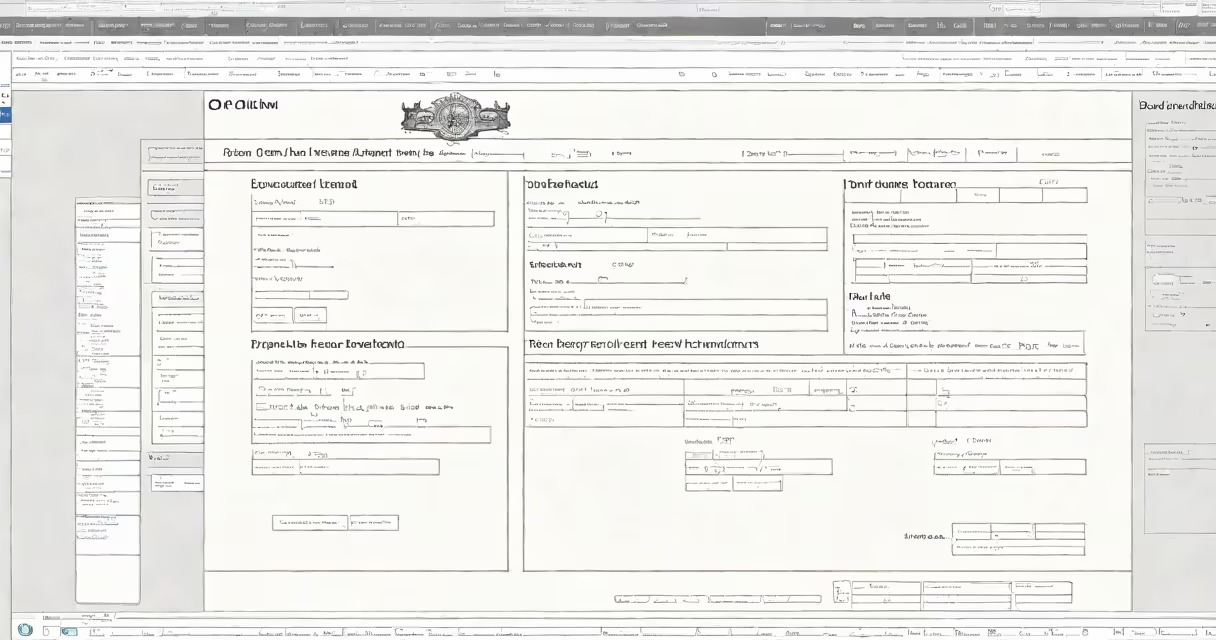
The iom tax online system is a digital platform administered by the Isle of Man Government's Revenue Department that enables individuals and businesses to file tax returns, make payments, and access tax records electronically. It supports self-assessment for income tax, capital gains tax, and corporation tax filings.
Launched in 2016 and expanded since, iom tax online replaced paper-based processes for most taxpayers. It integrates with HMRC's systems for cross-border reporting under UK-IOM tax agreements. The system requires users to register with a verified digital identity through the Isle of Man's eID service or via a trusted third-party provider like Smart-ID.
Users log in using a unique username and password, then verify identity through multi-factor authentication. Once authenticated, they can view tax summaries, submit forms, upload supporting documents, and schedule payments. All submissions are timestamped and stored securely in encrypted databases managed by the Government Digital Service.
When a taxpayer files a return via iom tax online, the system validates input data against predefined rules. For example, if income exceeds £100,000, the system flags potential errors in personal allowance calculations. It checks for missing fields, inconsistent entries, and mismatched figures from previous years.
After submission, the system generates a confirmation reference number and sends an email notification. The Revenue Department reviews the return within 14 business days. If discrepancies arise, the taxpayer receives a notice requesting clarification or additional documentation.
Payments are processed through the Isle of Man's secure payment gateway. Users can pay via bank transfer, debit card, or direct debit. Late payments incur interest at 3% per annum, calculated daily from the due date. Interest applies even if the delay results from technical issues, unless the taxpayer submits a formal appeal with evidence.
iom tax online supports several categories of tax obligations. The most common are:
| Tax Type | Eligible Filers | Deadline | Form Number |
|---|---|---|---|
| Individual Income Tax | Residents earning above £12,570 annually | 31 January following the tax year | IT1 |
| Capital Gains Tax | Sellers of property, shares, or assets | 31 January following disposal | CGT1 |
| Corporation Tax | Companies registered in the Isle of Man | 12 months after accounting period end | CT1 |
| Pay As You Earn (PAYE) | Employers with payroll systems | Monthly, by the 7th of the following month | PAYE1 |
Each form includes automated calculations based on current tax rates. For instance, the standard rate for income tax is 20%, with a higher rate of 40% applying to earnings over £100,000. The system adjusts thresholds annually based on inflation data published by the Office for National Statistics.
Many assume iom tax online is optional for residents. This is incorrect. Under Section 12 of the Isle of Man Income Tax Act 1970, all residents with taxable income must file a return-even if no tax is owed. Failure to file results in a penalty of £100 per unfiled year, plus interest on any unpaid tax.
Another misconception is that foreign residents don't need to file. Non-residents who earn income from Isle of Man sources-such as rental income from properties on the island or profits from local business operations-are required to file. The system automatically detects such cases during registration.
A less known fact: the platform retains all submitted data for 10 years. This includes draft versions and deleted uploads. The retention policy aligns with the Data Protection Act 2018 and is audited annually by the Isle of Man Information Commissioner's Office.
In 2023, a resident named Sarah Thompson earned £48,000 from her job as a software developer and received £2,300 in dividends from UK-listed stocks. She lives in Douglas and has no other income sources.
She logged into iom tax online using her eID credentials. The system pre-filled her employment details from the employer's PAYE report. She manually entered the dividend amount and claimed the £1,000 annual dividend exemption. The system recalculated her tax liability at £7,640, applied a £1,000 credit for the dividend exemption, and returned a net tax due of £6,640.
She reviewed the summary, uploaded her P60 and dividend statement as PDFs, and submitted the return. The system issued a reference number: IT2023-78945. Two weeks later, she paid the balance via direct debit. Her records remain accessible in her account dashboard for future reference.
iom tax online is frequently mistaken for the UK's HMRC Self Assessment system. While both handle self-assessment, they operate independently. The Isle of Man is a self-governing British Crown Dependency with separate fiscal jurisdiction. HMRC does not have authority over iom tax online filings, though data sharing occurs under mutual agreement.
Some also confuse it with the online services offered by the Isle of Man's Department of Health. That department manages social security and healthcare contributions, which are unrelated to income tax. The tax portal does not process national insurance-style contributions.
iom tax online is the official method for managing tax obligations in the Isle of Man. It ensures compliance, reduces administrative delays, and improves transparency. All residents and businesses with taxable activity must use the system unless exempt under specific provisions. Regular updates to the platform include new features like digital signatures and integration with accounting software such as Xero and QuickBooks.