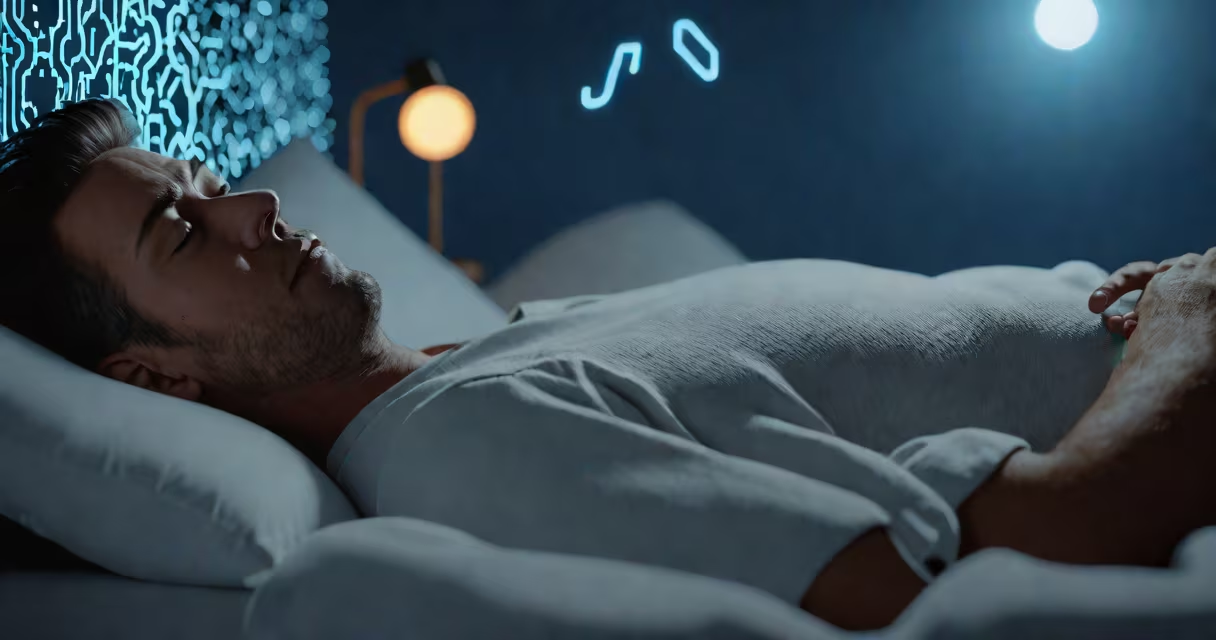
Vivid dreams are episodes of dreaming characterized by high levels of sensory detail, emotional intensity, and narrative coherence. They often feel real enough to recall upon waking. These experiences typically occur during rapid eye movement (REM) sleep, the stage most associated with complex brain activity.
During REM sleep, brain regions involved in emotion (like the amygdala) and visual processing (such as the occipital lobe) become highly active. This neural activation generates detailed imagery, sounds, smells, and physical sensations-even though the body remains immobilized. Vivid dreams are not inherently abnormal; they're a normal part of human sleep architecture.
According to the American Academy of Sleep Medicine, about 60% of adults report experiencing vivid dreams at least occasionally. The frequency and intensity can vary based on sleep quality, stress levels, medication use, and underlying mental health conditions. For example, people with anxiety disorders or PTSD often report more frequent and emotionally charged dreams.
The brain's limbic system, responsible for emotions and memory, becomes especially active during REM sleep. This surge in activity fuels the emotional weight and realism of vivid dreams. Simultaneously, the prefrontal cortex-the area governing logic and self-awareness-quiets down. That's why dream narratives often defy cause-and-effect reasoning, yet still feel authentic in the moment.
Neuroimaging studies using fMRI show increased blood flow in the visual cortex and emotional centers during REM phases. These patterns correlate strongly with dream reports containing rich visual content and strong emotional responses. A 2017 study published in *Nature Communications* found that specific patterns of neural oscillations in the parietal and temporal lobes predicted whether a dream would be remembered as vivid.
When you wake during or immediately after REM sleep, your hippocampus-a region tied to memory consolidation-can encode the dream's details into short-term memory. This explains why vivid dreams are easier to recall than those from lighter sleep stages.
Vivid dreams fall into several categories based on content and context. Not all are equally common or meaningful.
| Type | Features | Common Causes |
|---|---|---|
| Emotionally intense | High fear, joy, or urgency; often replay trauma or daily stress | Stress, anxiety, recent life changes |
| Lucid | Clear awareness of dreaming; some control over plot | Practice, meditation, certain supplements (e.g., galantamine) |
| Recurrent | Repeated themes across nights (e.g., falling, being chased) | Unresolved psychological issues, trauma |
| Prophetic (perceived) | Feel like they predict future events | Cognitive bias, pattern recognition, coincidence |
Medications such as SSRIs (common antidepressants) and beta-blockers can increase vivid dreaming. Alcohol and nicotine suppress REM sleep initially but may lead to rebound vivid dreams later in the night. Sleep deprivation also heightens REM density, increasing dream vividness.
A non-obvious fact: vivid dreams aren't always linked to emotional significance. Some people report highly detailed dreams involving mundane tasks-like organizing books or walking through a store-without any emotional charge. These are likely driven by procedural memory consolidation rather than emotional processing.
Vivid dreams happen primarily during REM sleep, which cycles approximately every 90 minutes throughout the night. The duration of REM periods increases toward morning, meaning dreams in the early hours tend to be longer and more vivid.
For most people, dreaming occurs in cycles. A typical adult sleeps 7-9 hours, allowing 4-6 REM cycles. The last cycle can last up to 40 minutes, making it the most likely time for long, detailed dream sequences. Waking during this phase dramatically increases the chance of remembering a vivid dream.
Some cultures interpret vivid dreams as spiritual messages or omens. However, scientific research shows they're more accurately understood as internal simulations. The brain uses dream states to process memories, rehearse social scenarios, and regulate mood. A 2020 review in *Sleep Medicine Reviews* concluded that vivid dreams serve a role in emotional regulation and cognitive flexibility.
Many assume vivid dreams indicate mental illness. That's incorrect. While frequent disturbing dreams can be a symptom of PTSD or depression, most vivid dreams are normal and transient. The DSM-5 classifies "recurrent distressing dreams" as a diagnostic criterion only when they cause significant distress or impairment in functioning.
Another misconception: dreams are always symbolic. While some dreams contain metaphorical content, others reflect literal experiences. A person who watched a horror movie before bed may dream about monsters-not because the monster represents fear, but because the brain replayed visual stimuli from the film.
I once recorded my dreams for two weeks after starting a new job. One night, I dreamed I was giving a presentation in front of a crowd while wearing pajamas. The dream felt real-my heart raced, I could hear the audience murmuring. Upon waking, I realized it mirrored my actual anxiety about public speaking. This wasn't symbolic-it was direct neural reflection of current stress.
People often confuse vivid dreams with nightmares. Nightmares are a subset of vivid dreams marked by fear, threat, or distress. Not all vivid dreams are nightmares. Conversely, not all nightmares are vivid-some are fragmented or lack sensory detail.
If vivid dreams disrupt sleep or cause ongoing distress, consider tracking them in a journal. Note the date, time of waking, emotional tone, and key images. Over time, patterns may emerge related to diet, stress, or medication.
Having vivid dreams is not a sign of pathology. It's a natural function of the sleeping brain. When they're frequent or disruptive, they may point to lifestyle factors, mental health needs, or sleep hygiene issues-but they are not inherently dangerous or predictive of future events.