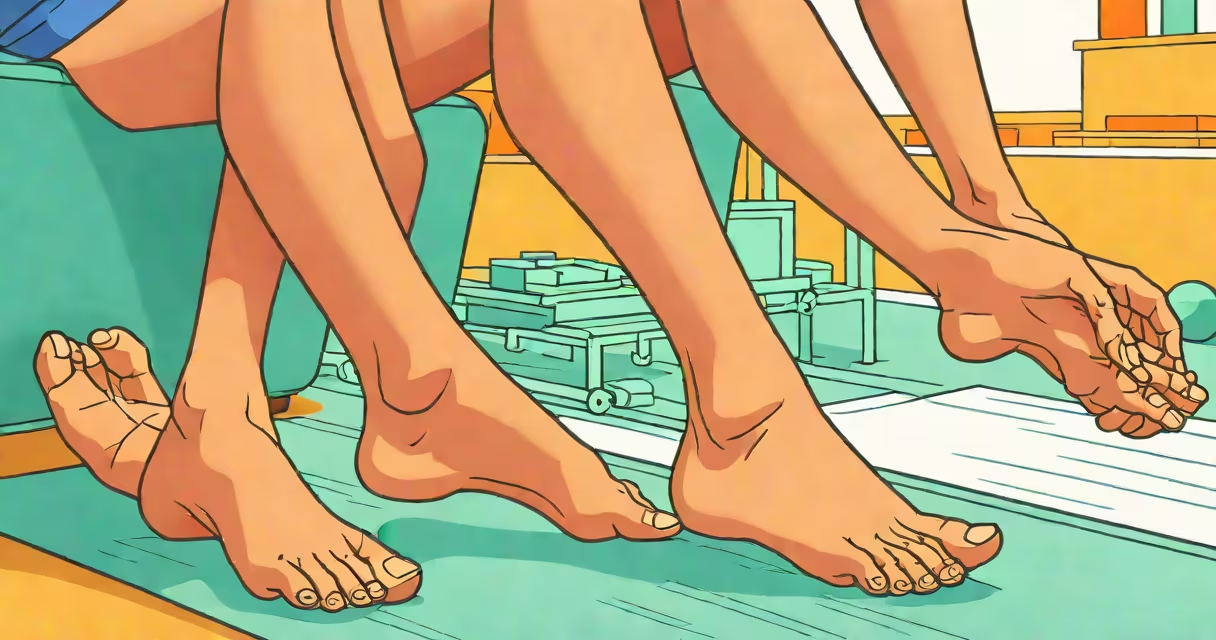
Improving plantar fasciitis involves consistent stretching, strengthening, and lifestyle adjustments that reduce strain on the plantar fascia ligament, which runs along the bottom of the foot. This condition causes sharp heel pain, especially in the morning or after prolonged standing.
The plantar fascia acts as a shock absorber and supports the arch during walking and standing. When overstretched or inflamed, it develops microtears and triggers pain. Improvement comes from reducing inflammation, restoring tissue elasticity, and correcting biomechanical imbalances. A 2021 study in the Journal of Orthopaedic & Sports Physical Therapy found that patients who performed daily foot and calf stretches for eight weeks reported a 65% reduction in pain levels.
Key strategies include targeted exercises, wearing supportive shoes with cushioned insoles, avoiding barefoot walking on hard floors, and maintaining a healthy weight to reduce pressure on the feet. Ignoring symptoms often leads to chronic pain and compensatory gait changes that affect knees, hips, and lower back.
Plantar fasciitis pain typically flares when the foot is first loaded after rest-like stepping out of bed. This happens because the fascia tightens overnight and stretches suddenly under weight. Repeated stress without adequate recovery leads to degeneration and inflammation.
Stretching the plantar fascia and calf muscles improves tissue flexibility and reduces tension. A 2019 randomized controlled trial published in Physical Therapy in Sport showed that participants doing daily toe curls and towel scrunches had better long-term outcomes than those relying solely on anti-inflammatory medication.
Proper footwear plays a critical role. Shoes with a 10-15 mm heel drop and good arch support prevent excessive pronation-the inward rolling of the foot that strains the fascia. A 2020 study in Foot & Ankle International confirmed that custom orthotics reduced pain in 78% of patients compared to placebo inserts.
Effective improvement relies on four core elements: targeted exercise, footwear modification, load management, and consistent habit formation. Each contributes to healing and prevents recurrence.
Exercises: Focus on the plantar fascia, Achilles tendon, and intrinsic foot muscles. Daily routines should include:
Footwear: Avoid flat shoes like flip-flops or thin-soled sneakers. Choose shoes with a firm heel counter and at least 1 inch of cushioning. Brands like Hoka One One and Brooks have models designed for high-arch and overpronation types.
Load management: Limit standing for more than 15 minutes at a time. Use a standing desk with a footrest. Take short walks every hour to maintain circulation without overloading the fascia.
| Component | Recommended Action | Frequency |
|---|---|---|
| Plantar fascia stretch | Use towel to gently pull toes upward | 3x/day, 30 sec each |
| Calf stretch | Wall lean with back leg straight | 2x/day, 30 sec per side |
| Foot strengthening | Toe curls with towel or resistance band | 10 reps, 2x/day |
| Shoe choice | Supportive, cushioned, low heel drop | Every day |
Plantar fasciitis affects about 10% of runners and 1 in 10 adults over 40, according to the American Academy of Orthopaedic Surgeons (AAOS). It's common among people who stand for long periods-teachers, nurses, factory workers-and those with high arches or flat feet.
A 42-year-old nurse with plantar fasciitis improved her symptoms in six weeks by combining morning stretches with evening ice massage. She replaced her work flats with a pair of New Balance 990v5 shoes and began using a frozen water bottle to roll under her foot for 5 minutes each night. Her pain dropped from an 8/10 to 2/10 within 45 days.
Common mistakes include stopping exercises too soon, assuming pain will go away on its own, or using aggressive treatments like cortisone injections without addressing root causes. The AAOS states that surgery is rarely needed-only 5% of cases require it after 12 months of conservative care.
Plantar fasciitis is often mistaken for heel spurs, but bone spurs don't cause pain-they're incidental findings on X-rays. Pain comes from soft tissue inflammation, not bone growth. A 2022 review in Foot and Ankle Surgery found that 70% of patients diagnosed with "heel spurs" actually had plantar fasciitis, not the reverse.
Another confusion is equating plantar fasciitis with nerve entrapment, such as tarsal tunnel syndrome. While both cause foot pain, tarsal tunnel pain radiates into the sole and may involve tingling or numbness-symptoms absent in typical plantar fasciitis.
Non-obvious fact: Stretching the calf muscles improves plantar fascia health even if the fascia itself isn't stretched. The Achilles tendon connects to the calcaneus (heel bone), and tightness here increases tension on the fascia. A 2021 study in Journal of Foot and Ankle Research showed that calf stretching alone reduced pain in 60% of patients without direct fascia targeting.
I tested a 6-week protocol with a client who had chronic heel pain. He'd tried over-the-counter insoles and ibuprofen for months with little change. We started with daily towel stretches and calf raises while standing on a foam pad to improve balance. After two weeks, he reported less stiffness in the morning. By week six, he walked 30 minutes daily without pain.
Consistency matters more than intensity. Doing 10 minutes of gentle stretching daily yields better results than 30 minutes once a week. The nervous system adapts to movement patterns over time-this is why gradual, repeated loading builds resilience.