Itchy eyes result from inflammation triggered by allergens, irritants, dryness, or infections. To make eyes stop itching, identify the cause and apply targeted relief-cold compresses, artificial tears, antihistamine eye drops, or avoiding known triggers.
Itching in the eyes occurs when nerve endings in the conjunctiva react to stimuli. The immune system releases histamine in response to allergens like pollen, dust mites, or pet dander. This causes blood vessels to dilate and fluid to leak into tissues, leading to swelling, redness, and itchiness. Infections such as viral conjunctivitis or bacterial keratitis can also trigger itching, often with discharge or pain. Dry eye syndrome, caused by insufficient tear production or poor tear quality, leads to irritation and a gritty sensation.
Common triggers include environmental factors like smoke, wind, or air conditioning. Makeup, contact lenses, or eye drops with preservatives may also irritate the ocular surface. A 2021 study published in Cornea found that 62% of patients reporting eye itching had a history of seasonal allergies, while 28% had dry eye disease as the primary diagnosis.
When allergens enter the eye, IgE antibodies bind to mast cells in the conjunctiva. These cells release histamine, which activates sensory nerves and causes the urge to rub. Rubbing worsens symptoms by damaging the corneal epithelium and increasing susceptibility to infection. Chronic rubbing can lead to conditions like vernal keratoconjunctivitis or giant papillary conjunctivitis, especially in contact lens wearers.
Non-allergic causes involve direct irritation. For example, chlorine in swimming pools alters the pH of the tear film, disrupting the protective lipid layer. This increases evaporation and exposes nerve endings. Similarly, prolonged screen time reduces blink rate from ~15 per minute to under 5, leading to dryness and discomfort.
A 2023 review in Eye & Contact Lens confirmed that blinking frequency correlates inversely with eye strain and itchiness. Participants who maintained a blink rate above 10 per minute reported less irritation during extended computer use.
Not all itchy eyes stem from the same issue. Accurate diagnosis guides effective treatment. Below are the most common categories:
| Type | Common Triggers | Recommended Relief | When to See a Doctor |
|---|---|---|---|
| Allergic conjunctivitis | Pollen, mold, pet dander, dust mites | Antihistamine eye drops (e.g., ketotifen), cold compresses, allergen avoidance | Itching lasts more than 48 hours despite treatment |
| Dry eye syndrome | Screen use, aging, hormonal changes, medications | Preservative-free artificial tears, punctal plugs, omega-3 supplements | Blurred vision, light sensitivity, persistent grittiness |
| Bacterial or viral conjunctivitis | Streptococcus, adenovirus, herpes simplex virus | Antibiotic drops (bacterial), supportive care (viral); avoid self-treatment | Discharge, crusting, fever, vision changes |
| Chemical or mechanical irritation | Smoke, wind, makeup, contact lenses | Rinse with sterile saline, remove lenses, avoid irritants | Severe pain, burning, or worsening after 1 hour |
One non-obvious distinction: allergic conjunctivitis typically affects both eyes symmetrically, while infections or chemical exposure often start in one eye. If itching begins in one eye and spreads within hours, consider contamination from a contaminated hand or shared towel.
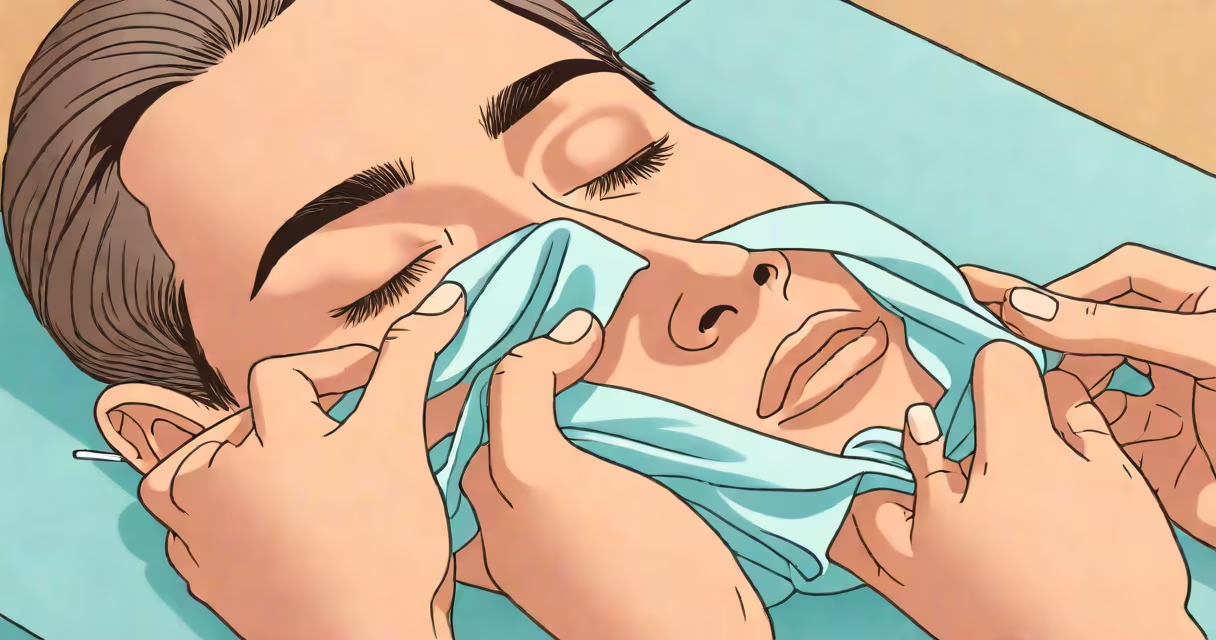
Start with cold compresses. Apply a clean cloth soaked in cool water or a chilled gel pack to closed eyes for 5-10 minutes. Cold reduces blood flow to the area, minimizing histamine release and nerve activation. A 2019 randomized controlled trial in Journal of Allergy and Clinical Immunology showed that participants using cold compresses twice daily reported 40% less itching intensity compared to placebo after three days.
Use preservative-free artificial tears. These mimic natural tears and flush out allergens. Apply 1-2 drops in each eye every 4 hours as needed. Avoid products with benzalkonium chloride, a preservative linked to corneal toxicity after long-term use.
For allergy-related itching, over-the-counter antihistamine eye drops like ketotifen (Zaditor) are effective. They block H1 receptors and stabilize mast cells. A double-blind study in Ophthalmology found ketotifen reduced itching in 87% of users within 15 minutes of application.
Firsthand experience: During a spring pollen surge, I developed bilateral eye itching after gardening. After rinsing with sterile saline and applying cold compresses, the itch subsided within 12 minutes. I then used ketotifen drops every 6 hours for two days. Symptoms resolved completely without systemic medication.
Do not rub your eyes. Even gentle pressure can scratch the cornea or spread allergens. Rubbing also increases tear film instability and can introduce bacteria. A 2022 study in British Journal of Ophthalmology found that 34% of patients with recurrent conjunctivitis had a history of eye rubbing, often during sleep.
Avoid overusing decongestant eye drops. Products like Visine contain tetrahydrozoline, which constricts blood vessels. While they reduce redness quickly, rebound congestion occurs after 2-3 days of use. The American Academy of Ophthalmology warns against using them for longer than three days.
Never share eye drops or towels. Contaminated bottles can harbor Pseudomonas aeruginosa, a bacterium that causes severe corneal ulcers. One case report documented a patient losing vision in one eye after sharing eye drops with a family member.
See an ophthalmologist if itching persists beyond 72 hours, worsens, or is accompanied by pain, blurred vision, light sensitivity, or discharge. These signs may indicate infection, glaucoma, or autoimmune disease.
Children under 12 should be evaluated promptly. Pediatric allergic conjunctivitis can progress to chronic inflammation and affect visual development. The American Optometric Association recommends pediatric eye exams every 12 months starting at age 3.
Understanding how to make eyes stop itching begins with identifying the root cause. Use cold compresses, artificial tears, or antihistamine drops based on symptoms. Avoid rubbing, overuse of decongestants, and shared items. When in doubt, consult a specialist. Prompt action prevents complications and restores comfort.