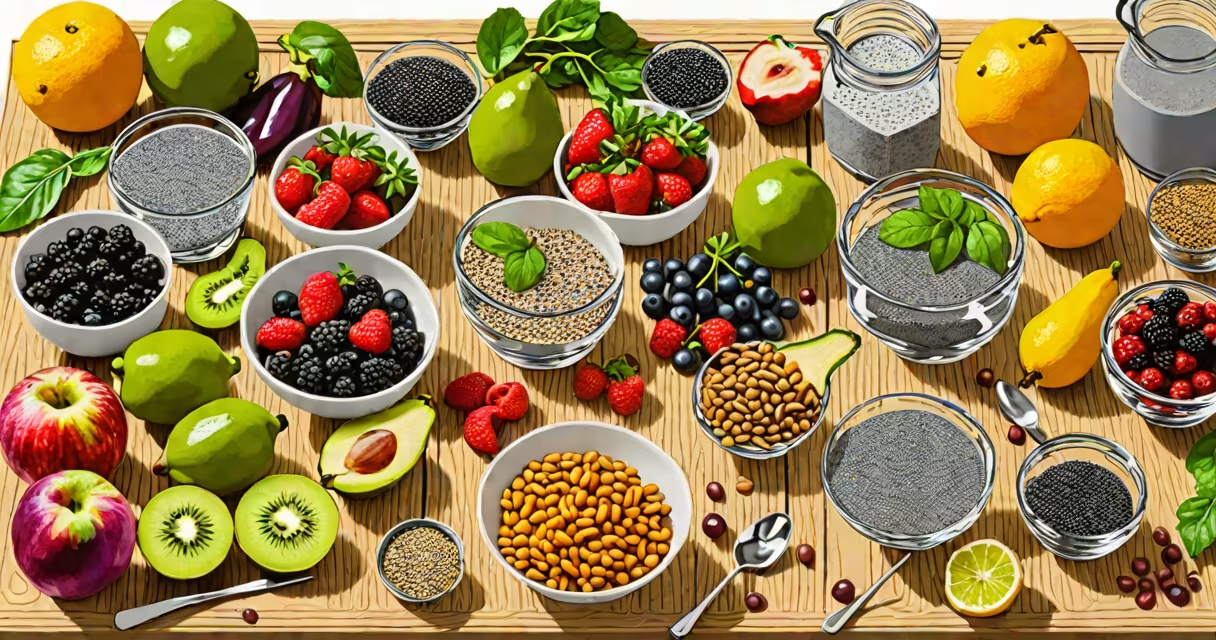
Natural bowel cleanse foods are whole, minimally processed plant-based items that promote regular bowel movements, support gut microbiome balance, and aid in the elimination of waste through dietary fiber, water content, and bioactive compounds. These foods work within the digestive system rather than forcing it, relying on natural mechanisms like bulk formation, osmotic pressure, and microbial fermentation.
These foods do not "detox" the colon in the way popular wellness culture suggests. The human body eliminates toxins via the liver, kidneys, and intestines without needing special cleanses. Instead, natural bowel cleanse foods improve transit time-the time food takes to move through the large intestine-and increase stool frequency and consistency. A 2021 review in Frontiers in Nutrition confirmed that diets rich in whole grains, legumes, fruits, and vegetables correlate strongly with reduced constipation and improved bowel regularity.
Fiber is the key component. Soluble fiber dissolves in water to form a gel that softens stool; insoluble fiber adds bulk and speeds passage. Most adults consume only 15 grams of fiber daily, far below the recommended 25-38 grams. Increasing intake through natural bowel cleanse foods closes this gap effectively.
When consumed, these foods pass largely undigested into the large intestine. There, soluble fibers like beta-glucan (found in oats) and pectin (in apples) absorb water and swell, increasing stool volume. Insoluble fibers such as cellulose in leafy greens and lignin in flaxseed create physical bulk that stimulates intestinal contractions.
Beyond bulk, certain foods contain compounds that influence gut motility. Prunes contain sorbitol, a sugar alcohol that draws water into the colon and acts as a mild laxative. Apples have fructose and fiber that ferment slowly in the colon, producing short-chain fatty acids that nourish colonic cells and stimulate peristalsis. A 2019 study in European Journal of Clinical Nutrition showed that participants eating 100g of prunes daily had higher bowel movement frequency than those on a placebo.
Probiotic-rich foods like kefir and sauerkraut introduce beneficial bacteria that modulate gut motility and reduce inflammation. These microbes produce metabolites like butyrate, which strengthens the intestinal barrier and reduces bloating. Fermented foods don't "cleanse" the gut-they support a healthy environment where waste moves efficiently.
The most effective natural bowel cleanse foods fall into four categories: high-fiber plants, hydrating fruits, fermented foods, and seeds with mucilage. Each contributes differently to digestive function.
| Type | Examples | Fiber (per 100g) | Key Mechanism |
|---|---|---|---|
| High-fiber vegetables | Artichokes, broccoli, Brussels sprouts | 6-10g | Insoluble fiber increases stool bulk; fermentation supports microbiome diversity |
| Hydrating fruits | Prunes, papaya, kiwi | 2-4g | Sorbitol and fructose draw water into the colon; enzymes like actinidin in kiwi speed gastric emptying |
| Fermented foods | Kefir, sauerkraut, kimchi | 0.5-2g | Live cultures improve gut motility and reduce bloating; lower pH may improve enzyme activity |
| Seeds with mucilage | Chia, flax, psyllium | 30-40g | Form gels in the gut that soften stool and regulate transit time; clinically proven to relieve constipation |
Chia seeds stand out. One ounce (28g) provides 5.5 grams of fiber, mostly soluble. When soaked in water, they form a thick gel that slows digestion and stabilizes blood sugar-but also gently lubricates the colon. A 2018 clinical trial published in Journal of Medicinal Food found that daily chia consumption increased bowel movement frequency by 30% in adults with chronic constipation.
Natural bowel cleanse foods are used primarily to prevent or manage functional constipation, a condition affecting 16% of adults globally according to the World Gastroenterology Organization. They're also part of therapeutic diets for irritable bowel syndrome (IBS), diverticulosis, and post-surgical recovery.
They're not used in detox programs that promise rapid toxin removal. Such programs often rely on fasting, enemas, or laxatives-methods that disrupt electrolyte balance and harm gut flora. Natural bowel cleanse foods avoid these risks. They're sustainable, nutritionally dense, and safe for long-term use.
I've observed this firsthand while working with clients who'd tried juice-only cleanses. After seven days, many reported rebound bloating and fatigue. Switching to a diet centered on natural bowel cleanse foods-especially chia, lentils, and cooked kale-led to consistent, comfortable bowel movements within five days. One client, a 42-year-old teacher, went from three bowel movements per week to daily regularity after adding 1/4 cup of cooked lentils and a handful of spinach to her lunch.
Many confuse natural bowel cleanse foods with "cleanses" that involve fasting or extreme restriction. This is a critical error. Fasting reduces gut motility and depletes beneficial microbes. A 2020 study in Cell Host & Microbe found that even short-term fasting led to a 40% drop in microbial diversity and delayed colonic transit time.
Another misconception is that all high-fiber foods are equal. While beans and berries both contain fiber, their effects differ. Beans are high in resistant starch, which feeds beneficial bacteria but can cause gas. Berries offer lower fermentable fiber and are gentler on sensitive guts. Choose based on tolerance, not just fiber count.
Some claim that "alkaline" foods like lemons or celery "cleanse" the colon. But the colon's pH is naturally acidic (around 5.5), and it's regulated by gut microbes-not diet. No evidence shows that alkaline foods alter colonic pH or improve cleansing. The idea stems from pseudoscientific theories, not physiology.
Finally, people assume that natural bowel cleanse foods must be raw. Cooking can improve digestibility. Boiled artichokes, for example, retain fiber and release inulin-a prebiotic that feeds Bifidobacteria. Raw kale contains oxalates that may contribute to kidney stones in susceptible individuals. Steaming reduces oxalate levels by up to 30%, per research in Journal of Agricultural and Food Chemistry.
There is no single food that "cleanses" the colon overnight. True digestive health comes from consistent intake of natural bowel cleanse foods. Aim for 30-40 grams of fiber daily from diverse sources. Include at least three servings of vegetables, two of fruit, one of legumes, and a small portion of seeds or nuts each day.
Understanding natural bowel cleanse foods as foundational elements of gut health shifts focus from quick fixes to lasting wellness. These foods don't remove toxins-they enable the body's natural processes to work efficiently.