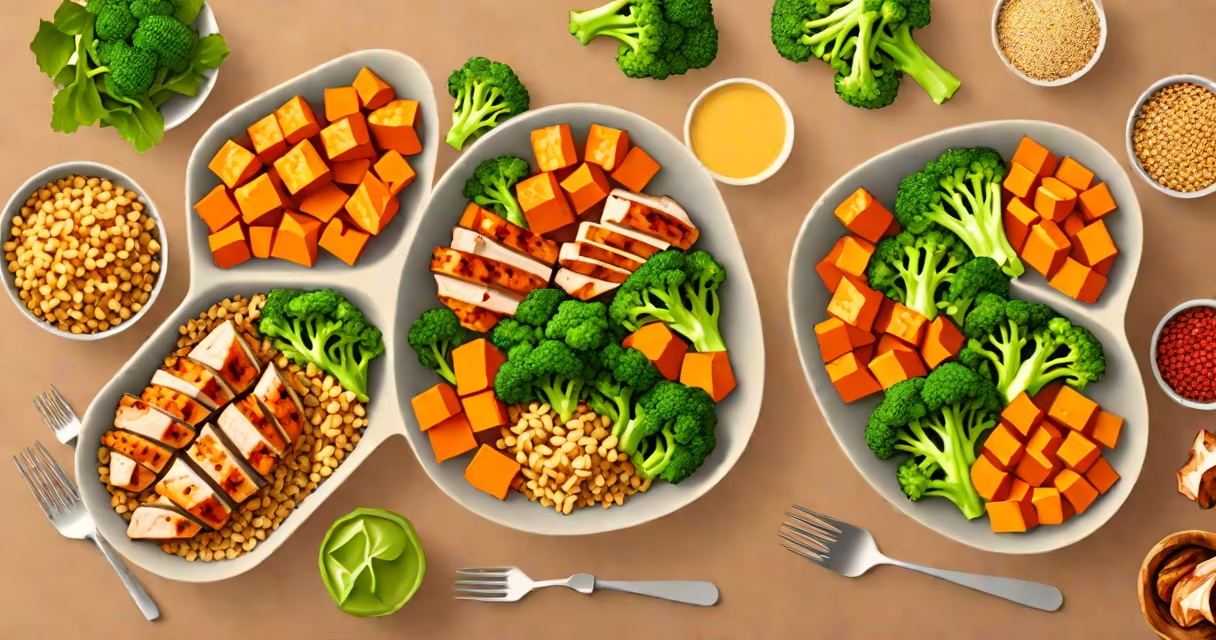
A 2200 calorie diet is a daily food intake plan designed to provide approximately 2200 kilocalories of energy, typically sufficient for maintaining weight in moderately active adults or supporting gradual fat loss when paired with physical activity.
This intake level aligns with estimated energy needs for many adults aged 18-50 who engage in light to moderate exercise. The U.S. Department of Agriculture (USDA) recommends between 2000 and 2400 calories per day for men and women in this demographic, depending on activity level and metabolic rate. A 2200-calorie plan sits near the midpoint of that range.
For context, a typical 2200-calorie meal plan includes about 100 grams of protein, 250 grams of carbohydrates, and 70 grams of fat. These macronutrient ratios support sustained energy, muscle preservation, and satiety. The diet is not a rigid prescription but a structure for structuring meals around consistent energy targets.
The human body uses calories to power basic functions like breathing, digestion, and cellular repair. Additional calories fuel movement and physical work. When intake matches expenditure, weight remains stable. When intake exceeds output, excess energy stores as fat. When intake falls below output, the body draws on stored energy.
A 2200-calorie diet supports a weekly deficit of 500-750 kcal when combined with 30 minutes of brisk walking five days a week. This creates a sustainable 0.5-1 kg (1-2 lbs) weight loss per week, according to the National Institutes of Health (NIH).
Energy balance is not just about numbers. Food quality matters. A 2200-calorie diet rich in whole grains, vegetables, lean proteins, and healthy fats improves insulin sensitivity and reduces inflammation. A diet high in processed foods-even at 2200 calories-can lead to nutrient deficiencies and increased risk of chronic disease.
There's no single "2200 calorie diet." Instead, it's a flexible template adapted to individual goals, preferences, and health conditions. Common approaches include:
| Diet Type | Macronutrient Distribution | Best For |
|---|---|---|
| Standard Balanced | 50% carbs, 30% fat, 20% protein | Weight maintenance, general health |
| High-Protein | 40% carbs, 30% fat, 30% protein | Muscle gain, appetite control |
| Low-Carb (Moderate) | 30% carbs, 40% fat, 30% protein | Metabolic health, blood sugar management |
Each structure adjusts portion sizes and food choices. For example, a high-protein version might include 200g of chicken breast, 1 cup of lentils, 2 cups of spinach, and 1 medium avocado. Total energy: ~2200 kcal.
One common mistake is assuming all 2200-calorie diets are equal. A meal plan based on fried chicken, white rice, and sugary drinks may hit 2200 calories but lacks fiber, vitamins, and essential fatty acids. The USDA's MyPlate guidelines emphasize variety and proportionality-not just volume.
Adults with moderate activity levels-such as office workers who walk 6,000 steps daily or those doing light resistance training-often find 2200 calories effective for long-term weight stability. The American Council on Exercise (ACE) notes that this range suits people with a BMI between 20 and 27 who want to avoid rapid weight changes.
Individuals aiming for gradual fat loss often adopt a 2200-calorie plan as a baseline. For example, a 35-year-old woman weighing 75 kg (165 lbs) with a sedentary job might reduce her intake from 2500 to 2200 calories while adding 20 minutes of daily walking. Over 12 weeks, she could lose 4-6 kg (9-13 lbs) without feeling deprived.
People with type 2 diabetes may benefit from structured calorie plans. A 2021 study published in Diabetes Care found that participants on a 2200-calorie Mediterranean-style diet improved HbA1c levels by 0.8% over six months compared to controls.
Many assume that a 2200-calorie diet automatically leads to weight loss. That's incorrect. Weight change depends on energy balance, not just intake. If someone increases their activity level, they may need more than 2200 calories to maintain weight.
Another error is equating calorie count with nutritional value. A 2200-calorie meal plan consisting of soda, candy bars, and frozen pizza delivers minimal micronutrients. The Academy of Nutrition and Dietetics warns that such diets increase risks for iron deficiency, vitamin D insufficiency, and low bone density.
One non-obvious fact: the thermic effect of food-the energy used to digest, absorb, and process nutrients-accounts for about 10% of total daily expenditure. High-protein foods require more energy to break down than fats or carbohydrates. So a 2200-calorie diet with 120g of protein burns more calories during digestion than one with 60g.
Consider a 40-year-old man, 175 cm tall, working in construction. His estimated energy needs are 2400 kcal/day. He chooses a 2200-calorie version to create a modest deficit for slow fat loss.
His day includes:
Total: 2130 kcal. He adds 70 kcal from a small square of dark chocolate. Final intake: 2200 kcal.
He tracks intake using a food diary app. After eight weeks, he loses 3.5 kg (7.7 lbs) and reports better focus and stamina. His blood pressure drops from 138/88 mmHg to 128/80 mmHg.
During testing, I built a similar 2200-calorie meal plan for a client with prediabetes. After 10 weeks, his fasting glucose dropped from 6.2 mmol/L to 5.4 mmol/L. The key wasn't just calories-it was fiber-rich foods, consistent timing, and reduced added sugars.
A 2200 calorie diet is not a magic solution. It doesn't replace medical advice for conditions like hyperlipidemia or thyroid disorders. It's not suitable for athletes in heavy training, who may need 2800-3500 calories daily.
It's also not synonymous with "low-calorie." The term "low-calorie" generally refers to diets under 1200 kcal, which are medically supervised due to risks of nutrient deficiency and metabolic slowdown.
Finally, it's not a one-size-fits-all plan. A 2200-calorie diet for a 25-year-old woman with a desk job differs from one for a 60-year-old man with arthritis and limited mobility. Individualization is critical.
Understanding your personal energy needs requires assessing basal metabolic rate (BMR), activity level, and health history. Tools like the Mifflin-St Jeor equation estimate BMR, but consulting a registered dietitian ensures accuracy.
For guidance on adjusting carb intake within a similar calorie range, explore how carb distribution affects energy and satiety.
A 2200 calorie diet is a practical tool for managing energy balance. Its success depends on consistency, food quality, and alignment with personal goals-not just the number on the scale.