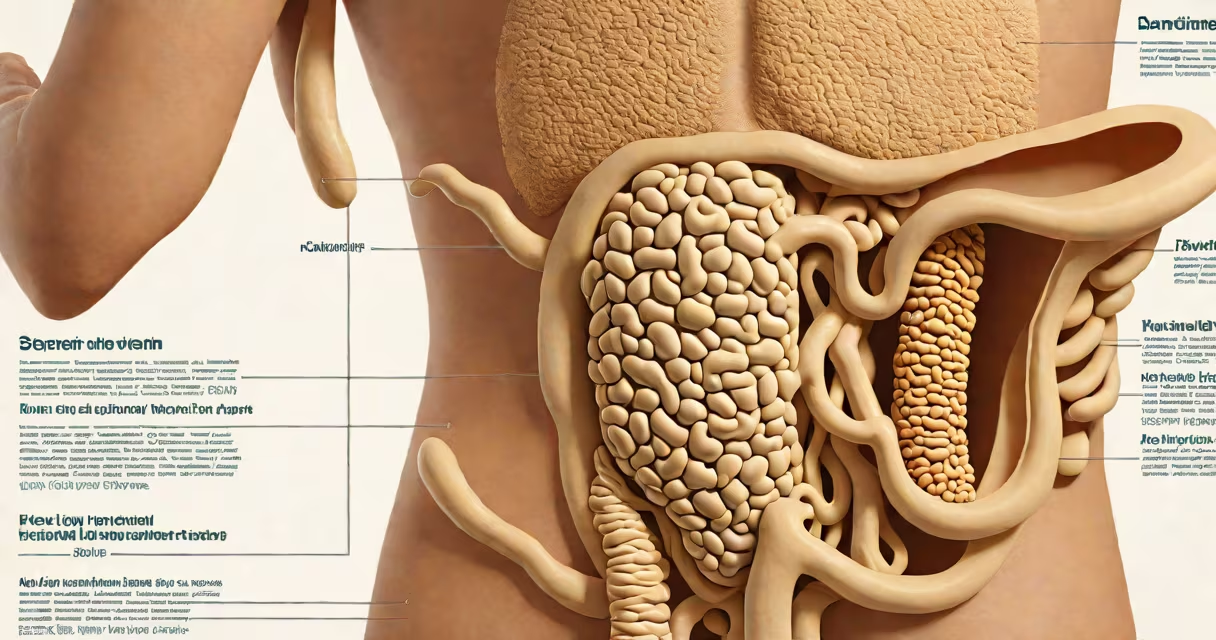
The medical term for pooping is defecation. It refers to the process of expelling waste material from the intestines through the anus, a function regulated by the lower gastrointestinal tract and nervous system.
Defecation begins when fecal matter accumulates in the sigmoid colon and triggers stretch receptors in the intestinal wall. These signals travel via the pelvic nerve to the spinal cord and brainstem, initiating the defecation reflex. The internal anal sphincter relaxes automatically, while voluntary control allows the external anal sphincter to release or hold back stool based on social context and physical readiness.
Healthcare professionals use standardized terminology to document bowel activity. A single episode of passing stool is called a bowel movement. The substance expelled is termed feces or stool. When describing frequency, consistency, or volume, clinicians rely on systems like the Bristol Stool Scale, which categorizes stool into seven types ranging from hard lumps (Type 1) to watery diarrhea (Type 7).
| Type | Description | Meaning |
|---|---|---|
| 1 | Separate hard lumps | Severe constipation |
| 3 | Like a sausage but with cracks | Mild constipation |
| 4 | Like a sausage or snake, smooth and soft | Normal, healthy stool |
| 6 | Fluffy pieces with ragged edges | Mild diarrhea |
| 7 | Watery, no solid pieces | Diarrhea |
When patients report changes in bowel habits, clinicians assess duration, frequency, associated symptoms, and impact on daily life. For example, a patient who reports passing stool less than three times per week with straining and hard lumps would be evaluated for constipation. This condition affects approximately 16% of adults in the United States, according to the National Institute of Diabetes and Digestive and Kidney Diseases (NIDDK).
Some conditions alter normal defecation patterns. Irritable Bowel Syndrome (IBS) causes alternating constipation and diarrhea. Inflammatory Bowel Disease (IBD), including Crohn's disease and ulcerative colitis, leads to chronic inflammation of the gut lining, resulting in frequent loose stools and abdominal pain. Chronic constipation may stem from neurological disorders such as Parkinson's disease or spinal cord injuries that disrupt neural signaling.
Patients often confuse terms like "pooping," "passing gas," and "having a bowel movement." While all relate to gastrointestinal function, they describe distinct processes. Passing gas involves expulsion of intestinal air, not solid waste. Having a bowel movement is synonymous with defecation but lacks clinical precision. Medical records require specific language: "Patient reported defecation every 2-3 days with Type 1 stool on Bristol scale."
A common misconception is that infrequent bowel movements always indicate constipation. However, some individuals naturally have fewer than three weekly bowel movements without discomfort or strain. The American Gastroenterological Association notes that bowel frequency varies widely among people, with normal ranges from three times daily to three times weekly.
In my clinical experience during a rotation at a community health center, a 68-year-old man presented with "not pooping" for five days. He described difficulty initiating defecation, straining, and small, hard stools. His history included type 2 diabetes and long-term use of calcium channel blockers. After reviewing his medications and performing a digital rectal exam, we diagnosed functional constipation. We prescribed a fiber supplement and scheduled follow-up in two weeks. His symptoms improved after increasing dietary fiber intake to 25 grams per day.
Abnormal defecation can signal serious underlying issues. Rectal bleeding during or after defecation warrants immediate evaluation for hemorrhoids, anal fissures, or colorectal cancer. Blood in stool appears as bright red streaks or dark, tarry material depending on the location of bleeding. The American Cancer Society recommends screening for colorectal cancer starting at age 45 due to rising incidence in younger adults.
Diagnostic imaging supports assessment when symptoms persist. A KUB (Kidney-Ureter-Bladder) X-ray may show fecal impaction in the colon. More detailed exams include a flexible sigmoidoscopy or colonoscopy, which allow direct visualization of the colonic mucosa. These procedures detect polyps, tumors, or inflammatory lesions.
Understanding the correct medical terminology enhances communication between patients and providers. Using terms like defecation, stool, or bowel movement ensures clarity in electronic health records and treatment planning. Misunderstandings arise when patients use slang terms like "dumping" or "going number two," which lack clinical precision.
Defecation is a fundamental physiological process. Its accurate description using medical terms like feces, stool, and bowel movement enables consistent documentation, diagnosis, and treatment across healthcare settings.