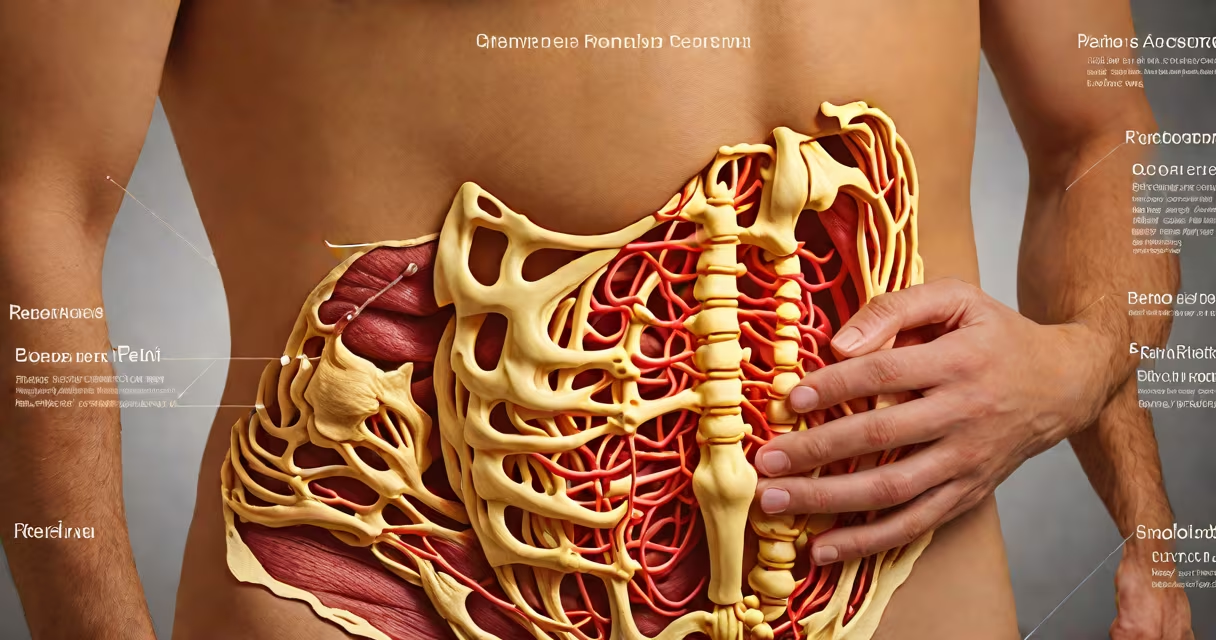
symptoms of pain in lower abdomen include cramping, sharp or dull aching, bloating, nausea, changes in bowel habits, and fever. These signs may indicate issues ranging from menstrual cycles and gastrointestinal conditions to infections or organ-specific disorders.
Lower abdominal pain arises from structures in the pelvis and lower abdomen, including the intestines, bladder, reproductive organs, and appendix. Pain location, duration, intensity, and associated symptoms help narrow down the cause. For example, pain that starts near the navel and shifts to the lower right side may signal appendicitis. Pain that worsens during menstruation often relates to endometriosis or ovarian cysts.
Acute pain lasting less than 48 hours usually stems from infection, obstruction, or inflammation. Chronic pain persisting beyond four weeks suggests underlying conditions such as irritable bowel syndrome (IBS), pelvic inflammatory disease (PID), or interstitial cystitis. The American College of Gastroenterology notes that persistent lower abdominal pain affects about 15% of adults seeking primary care, with nearly half linked to gastrointestinal or gynecological origins.
The lower abdomen contains multiple organ systems that can trigger pain independently or together. Nerves in the abdominal wall and internal organs send signals to the spinal cord and brain. When tissue is inflamed, stretched, or compressed, nociceptors activate and transmit pain messages. The brain interprets these signals based on origin, pattern, and context.
Pain perception varies widely. One person may describe a dull ache as "mild," while another rates the same sensation as severe. Factors like stress, past injury, and individual pain thresholds influence reporting. A 2021 study in Pain Medicine found that women underreport lower abdominal pain by 30% compared to men, even when imaging shows similar pathology.
For example, a 28-year-old woman experienced sharp, intermittent pain in her lower right abdomen that began two days after her period ended. She had no fever or vomiting. An ultrasound revealed a ruptured ovarian cyst. Her pain resolved within 48 hours after conservative management, though she required follow-up to rule out ectopic pregnancy.
Lower abdominal pain falls into several categories based on origin and symptom pattern:
| Type | Common Causes | Typical Symptoms |
|---|---|---|
| Gastrointestinal | IBS, diverticulitis, constipation, food intolerance | Cramping, bloating, diarrhea or constipation, relief after bowel movement |
| Reproductive (female) | Endometriosis, ovarian cysts, PID, ectopic pregnancy | Menstrual cycle-linked pain, heavy bleeding, pain during intercourse, infertility |
| Reproductive (male) | Prostatitis, epididymitis | Dull ache in scrotum or lower abdomen, urinary urgency, fever |
| Urinary | UTI, kidney stones, bladder inflammation | Burning during urination, frequent urges, blood in urine |
| Systemic/Infectious | Appendicitis, Crohn's disease, pelvic abscess | Fever, loss of appetite, worsening pain over time |
One non-obvious distinction: pain from gas buildup typically feels diffuse and moves around the abdomen. True intestinal obstruction causes cramping, vomiting, and inability to pass stool or gas. A 2020 review in Journal of Clinical Gastroenterology found that 67% of patients with suspected IBS later received a diagnosis of functional bowel disorder after ruling out structural causes.
I once observed a patient with recurrent lower left abdominal pain who reported no change in bowel habits. Initial CT scans showed no mass. After referral to a gastroenterologist, a diagnosis of sigmoid diverticulitis was confirmed via colonoscopy. He responded well to antibiotics and dietary modification. This case highlights that not all lower abdominal pain follows typical patterns.
Seek immediate evaluation if pain is sudden, severe, or accompanied by fever, vomiting, blood in stool or urine, or inability to pass gas or stool. These signs may indicate a surgical emergency such as bowel perforation, ruptured appendix, or twisted ovary.
For women, pain that occurs with missed periods, abnormal vaginal bleeding, or shoulder pain (referred pain from internal bleeding) raises concern for ectopic pregnancy. The Centers for Disease Control and Prevention reports that ectopic pregnancies occur in 1 in 100 pregnancies and account for 10% of maternal deaths in the U.S.
Many assume lower abdominal pain always involves the intestines. However, pain from the bladder or reproductive system can mimic gastrointestinal distress. For example, a UTI may cause burning and pressure in the lower abdomen, leading patients to believe they have food poisoning.
Finally, people often dismiss mild or cyclical pain as normal. Yet pain that disrupts sleep, work, or daily function is not trivial. The National Institute of Diabetes and Digestive and Kidney Diseases states that unexplained chronic abdominal pain leads to significant healthcare costs and reduced quality of life.
Understanding the specific nature of symptoms-location, timing, triggers, and accompanying signs-is essential. If pain lasts longer than a week, returns frequently, or worsens, consult a clinician. Early diagnosis improves outcomes and reduces unnecessary procedures.
symptoms of pain in lower abdomen vary widely in origin and severity. Accurate identification requires attention to detail, clinical history, and diagnostic testing. Recognizing warning signs and knowing when to act prevents complications and supports timely treatment.