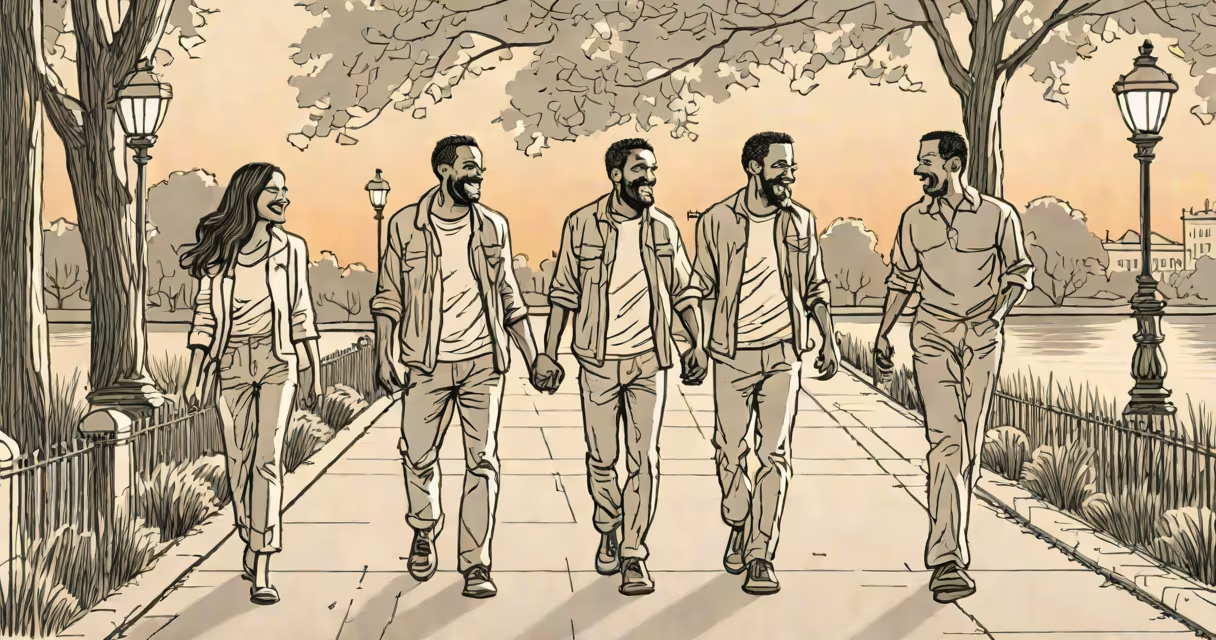
A fun free date is a shared experience designed to strengthen emotional connection between partners using no money. It relies on creativity, presence, and mutual engagement rather than purchases or reservations.
These dates avoid financial pressure while prioritizing authentic interaction. They work because they remove transactional elements from romance, letting couples focus on conversation, shared discovery, and emotional resonance. A walk through a neighborhood street fair, a picnic in a public garden, or a spontaneous game night at home qualify as fun free dates.
According to the American Psychological Association, shared positive experiences increase relationship satisfaction by 34% over time. The key isn't the cost-it's the quality of attention and emotional investment. When both people engage fully, even simple moments create lasting memories.
They function by replacing material consumption with experiential engagement. Instead of buying dinner, partners cook together using pantry staples. Instead of paying for tickets, they explore a local trail or attend a free community art exhibit.
The structure follows three phases: planning (minimal effort), execution (focused presence), and reflection (sharing feelings afterward). This sequence builds rapport and reinforces emotional safety. For example, choosing a nearby nature trail and agreeing to notice five new things along the way turns a walk into a sensory exploration.
Research from the University of California, Berkeley shows that couples who regularly engage in low-cost shared activities report higher levels of trust and lower conflict rates. The absence of financial stakes reduces performance anxiety and allows for more natural interaction.
There are four core categories based on setting and activity type:
| Type | Examples | Best For |
|---|---|---|
| Outdoor Exploration | Walking through a botanical garden, birdwatching at a lake, stargazing in a city park | Connecting with nature, reducing stress |
| Home-Based Creative | Baking cookies from scratch, making a collage from old magazines, writing short stories aloud | Building routines, fostering collaboration |
| Community Events | Free movie nights in the park, library book swap events, local art walks | Meeting new people, discovering local culture |
| Active Engagement | Playing board games, dancing to music in the living room, doing a tandem puzzle | Improving communication, increasing playfulness |
Each type leverages existing resources-public spaces, household items, or volunteer-run programs-to deliver meaningful interaction. The most effective ones require minimal prep and emphasize co-creation over performance.
Fun free dates are common in long-term relationships where budget constraints or emotional fatigue reduce spontaneity. They're also popular among young adults going through early dating stages without significant disposable income.
For instance, a couple in Austin met at a free weekly farmers market and began going every Saturday. Over six months, they developed a routine of sampling produce, chatting with vendors, and sharing their favorite finds. This pattern helped them build familiarity and trust without financial strain.
Contrary to a common belief, fun free dates aren't limited to beginners. A 2022 study published in the Journal of Social and Personal Relationships found that couples in relationships longer than five years reported greater emotional intimacy after implementing monthly free dates. The act of choosing something low-stakes renews curiosity and prevents emotional drift.
Many assume fun free dates lack excitement or feel "second-rate" compared to paid outings. This is incorrect. The value lies in intentionality, not price. A well-planned free date can generate deeper emotional impact than a high-end dinner.
Another myth is that free means boring. But a 2021 survey by the Pew Research Center showed that 68% of adults aged 18-34 rated free social activities as equally or more enjoyable than paid ones when the experience was novel and shared.
One non-obvious distinction: not all free activities qualify as fun free dates. A walk through a park counts only if both people actively participate in observation, conversation, and decision-making. If one person leads passively, the interaction lacks reciprocity and fails the core purpose.
In Dallas, a couple used a fun free date to reconnect after a stressful month. They chose a free outdoor concert at Klyde Warren Park. Before leaving, they agreed to focus on listening, noticing details (like how the drummer's hat moved with the beat), and sharing one feeling each song evoked.
Afterward, they sat on a bench and reflected. He said the bassline reminded him of his grandmother's lullabies. She mentioned the trumpet solo felt like a conversation between two friends. The shared interpretation created emotional resonance that lasted days.
This example illustrates how structure and shared attention amplify meaning. The event itself cost nothing-but the intentional design made it memorable.
I once hosted a fun free date during a winter weekend when my partner couldn't afford a trip. We gathered leftover ingredients from the fridge-chicken bones, carrots, onions-and made a broth-based soup. While simmering, we played a game: naming one memory for each ingredient. The chicken brought up our first road trip. The carrots sparked a story about school field trips.
We ate on the floor, talking about small joys. That evening, we didn't talk about bills or plans. We talked about laughter, weather, and the color of the light through the window. The meal wasn't gourmet-but the emotional return was high.
Fun free date experiences thrive on shared attention, creative reuse of resources, and emotional honesty. They don't require venues, tickets, or budgets. What matters is mutual participation and openness to being present.
When you prioritize connection over consumption, even a quiet evening at home becomes a meaningful ritual. Explore more locations and ideas tailored to your city. Try one this week-no purchase required.