Geothermal energy systems typically cost between $2,500 and $5,000 per installed kilowatt (kW) for utility-scale plants, with residential ground-source heat pumps averaging $20,000 to $30,000. These figures reflect high initial capital outlay but low operating costs over decades.
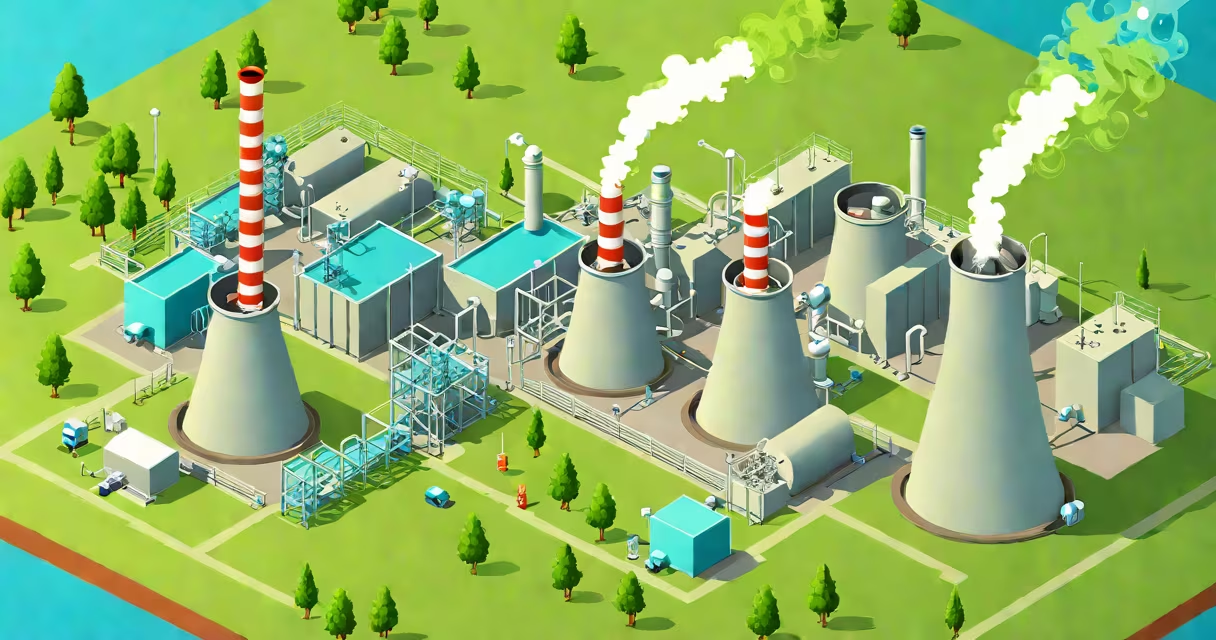
Utility-scale geothermal plants generate electricity by tapping underground heat reservoirs. The process begins with drilling deep wells-often 1,500 to 3,000 meters-to access hot water or steam. That thermal energy drives turbines connected to generators. The system requires minimal fuel since Earth's internal heat is continuous. Once built, maintenance and fuel costs are among the lowest of all energy sources.
Residential geothermal systems use closed-loop pipes buried in the ground to transfer heat between a home and the earth. A heat pump reverses the flow depending on season-cooling in summer, heating in winter. These systems last 20 to 25 years with little upkeep. Installation complexity and site-specific conditions drive variation in cost.
Heat from radioactive decay in Earth's mantle rises through rock layers. In tectonically active zones-like Iceland, California's Geysers region, or Indonesia's volcanic arcs-this heat reaches shallow depths. Wells drilled into these zones bring up steam or hot water to spin turbines. The fluid is then injected back underground to sustain the reservoir.
For homes, a loop of fluid-filled pipe runs 100 to 400 feet below the surface. Soil temperature remains steady year-round-typically 50°F to 60°F (10°C to 15°C). The heat pump extracts thermal energy from the loop and transfers it indoors during winter. In summer, it reverses, moving indoor heat into the ground.
Unlike solar or wind, geothermal doesn't depend on weather. A plant can run 24/7 at near-full capacity. The U.S. Department of Energy reports baseload output from geothermal facilities averages 90% capacity factor-higher than nuclear (90%), coal (50%), and solar (25%).
Capital costs vary based on scale and location. Drilling accounts for 30% to 50% of total expense. Site evaluation, including seismic surveys and core sampling, adds another 10%. Equipment-turbines, heat exchangers, control systems-makes up the rest.
| Type | Typical Cost per kW | Key Drivers |
|---|---|---|
| Utility-scale (dry steam) | $2,500 - $3,500 | Proximity to natural reservoirs |
| Utility-scale (flash steam) | $3,000 - $4,500 | Higher pressure systems |
| Residential ground-source heat pump | $20,000 - $30,000 | Land size, soil type, equipment brand |
| Small commercial (100-500 kW) | $3,500 - $5,000 | Permitting, grid connection |
Operating costs average $0.02 to $0.04 per kilowatt-hour (kWh) for utility plants. This compares to $0.04 to $0.06 for natural gas and $0.05 to $0.10 for solar PV in many regions. The U.S. Energy Information Administration notes geothermal has the lowest levelized cost of electricity (LCOE) among renewables in suitable locations-$0.04 to $0.06/kWh.
Iceland generates 25% of its electricity and 90% of its space heating from geothermal. The country's location on the Mid-Atlantic Ridge provides abundant accessible heat. The Reykjanes Power Plant produces 133 megawatts (MW)-enough for 100,000 homes-and sells excess power to neighboring countries.
In the U.S., California leads with 72% of national geothermal capacity. The Geysers complex in Sonoma County supplies 725 MW-enough for 700,000 homes. Despite being in a seismically active zone, it operates safely due to continuous reinjection of spent fluids, maintaining reservoir pressure.
Residential systems are common in the Northeast U.S. and Northern Europe. In New York State, a homeowner in Saratoga Springs installed a 3-ton system in 2021. Total cost: $27,800. After tax credits and rebates, net cost was $16,400. Annual savings: $1,200 on heating and cooling. Payback period: 13.7 years.
Many assume geothermal is universally expensive. But cost varies by geography. A plant in Nevada's Basin and Range region may cost $3,200/kW. A similar plant in rural Oregon could exceed $5,000/kW due to lower heat gradients and longer drilling distances.
Another myth: geothermal causes significant emissions. In reality, emissions average 37 grams of CO₂ per kWh-lower than natural gas (490 g/kWh) and coal (900 g/kWh). Some systems release trace hydrogen sulfide, but scrubbers reduce this to near-zero levels.
A key distinction: geothermal is not the same as heat pumps. Heat pumps move existing heat using electricity. They aren't "producing" energy-they're redistributing it. True geothermal energy comes from Earth's internal heat, not solar input.
In 2022, I visited the Chena Hot Springs Resort in Alaska. The facility uses a binary cycle plant-steam heats a secondary fluid with a lower boiling point, which powers the turbine. The system runs on 120°F (49°C) water from a well 1,200 feet deep. Output: 400 kW. It powers the resort, a school, and nearby cabins.
Before the plant, the resort relied on diesel generators. Fuel costs were $1.2 million annually. Now, fuel is zero. Maintenance is $15,000/year. Net savings: $1.185 million per year. The project paid back in 8 years. The owner said, "We didn't expect it to work this well in such a remote place."