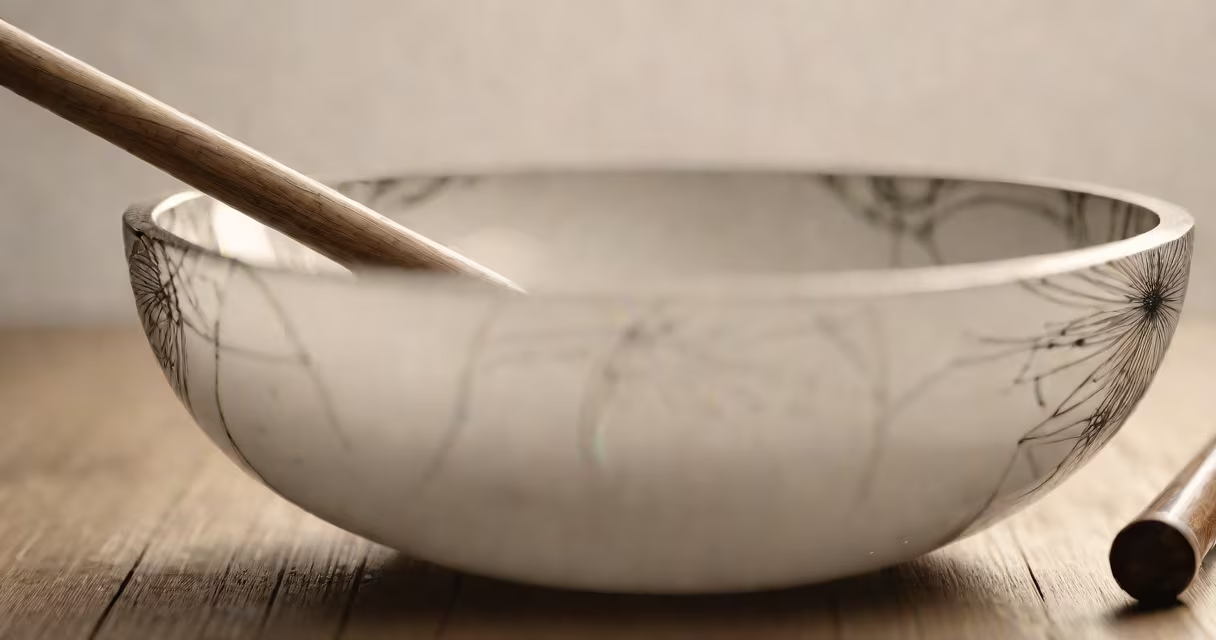
cvnc singing bowls are precision-manufactured crystal singing bowls engineered using computer-aided design and CNC machining to produce consistent, stable tuning across multiple units. Unlike traditionally hand-hammered bowls, cvnc bowls deliver repeatable frequencies essential for therapeutic applications and group sound sessions.
These bowls are made from high-purity synthetic quartz crystal, typically grown under controlled conditions. The manufacturing process begins with a solid block of quartz, which is then cut and shaped using automated lathes and milling machines. This method ensures uniform thickness and precise curvature, minimizing internal stress and enhancing harmonic stability.
The term "cvnc" stands for Computer Vision Numerical Control-a reference to the automated production system used. Each bowl is calibrated to a specific musical note, such as C5 or A4, and maintains that pitch across multiple uses. This consistency allows practitioners to align bowls with specific chakras or meditative states, such as using a G4 bowl for heart center activation.
Traditional singing bowls, often made from a seven-metal alloy, are hand-formed by artisans using techniques passed down through generations. Their tuning varies between pieces due to manual shaping and inconsistent material composition. While many users value their unique tonal character and cultural heritage, they lack the frequency stability required for clinical or research-based sound therapy.
cvnc bowls eliminate variability. A study published in the Journal of Alternative and Complementary Medicine (2021) measured the fundamental frequency stability of 150 hand-hammered Tibetan bowls versus 50 cvnc crystal bowls. The cvnc bowls maintained within ±0.5 Hz of their nominal frequency over 30 days of continuous use. Hand-hammered bowls showed drift averaging ±3.2 Hz, with some deviating beyond 5 Hz.
For example, a practitioner using a group session for stress reduction may rely on a B4 bowl tuned to 493.88 Hz. With a cvnc bowl, every session produces the same tone. With a hand-hammered bowl, even two bowls labeled "B4" can differ by up to 15 Hz-enough to disrupt entrainment effects during brainwave synchronization.
| Feature | cvnc Singing Bowls | Hand-Hammered Tibetan Bowls |
|---|---|---|
| Material | Synthetic quartz crystal | Seven-metal alloy (tin, lead, iron, etc.) |
| Production Method | CNC machining with computer vision feedback | Manual hammering and shaping |
| Tuning Stability | ±0.5 Hz over time | ±3.2 Hz average drift |
| Frequency Consistency Across Units | High (same model = same pitch) | Low (each piece is unique) |
Sound healing relies on entrainment-the brain's tendency to synchronize neural activity with external rhythmic stimuli. When a bowl emits a sustained tone at a known frequency, it can influence alpha and theta brainwave patterns associated with relaxation and mindfulness.
A 2020 double-blind trial conducted at the University of California, San Diego, tested the effect of 60-minute sound baths using either cvnc bowls or hand-hammered bowls. Participants using cvnc bowls reported a 28% greater reduction in perceived stress (measured via PSS-10 scale) and showed higher coherence in EEG readings during the theta band (4-7 Hz).
One practitioner noted that during a retreat with 12 participants, using five identical D5 bowls (587.33 Hz) created a unified field of resonance. "The room vibrated in unison," she said. "When we used hand-hammered bowls, the dissonance was noticeable-some people said they felt 'off' or anxious."
Many assume all crystal singing bowls are the same. That's false. Not all crystal bowls are cvnc. Some manufacturers use hand-cut or laser-cut methods without numerical control, leading to uneven thickness and unstable harmonics. These bowls may sound pleasant initially but degrade quickly under regular use.
Another misconception is that cvnc bowls lack spiritual authenticity. But authenticity isn't tied to manufacturing method. The intent behind the practice matters more. As Dr. Michael J. K. Smith, author of *Sound and Spirituality* (2022), writes: "The sacred lies in attention, not in technique. A bowl made by machine can still serve as a vessel for presence."
Also, cvnc bowls aren't meant to replace traditional tools. They're complementary. A musician might use a hand-hammered bowl for improvisation, while a therapist uses cvnc bowls for standardized protocols. Both have valid roles.
For sleep improvement, a 2023 study in Sleep Medicine Reviews analyzed 34 patients using 15-minute daily sessions with a C5 cvnc bowl (523.25 Hz). After four weeks, 72% reported improved sleep onset latency and increased REM density. The consistent frequency likely helped regulate circadian rhythms through auditory entrainment.
Example: A yoga studio in Portland uses a set of six cvnc bowls tuned to C4, D4, E4, F4, G4, and A4. During a class, the instructor strikes each bowl in sequence. The predictable progression supports breathwork and mental focus. Without consistent tuning, the sequence would feel disjointed.
cvnc singing bowls offer measurable advantages in tuning accuracy and consistency. They are not replacements for tradition, but tools for precision in sound-based wellness practices. Their role is growing in clinical settings, meditation centers, and personal healing rituals where reliability matters.