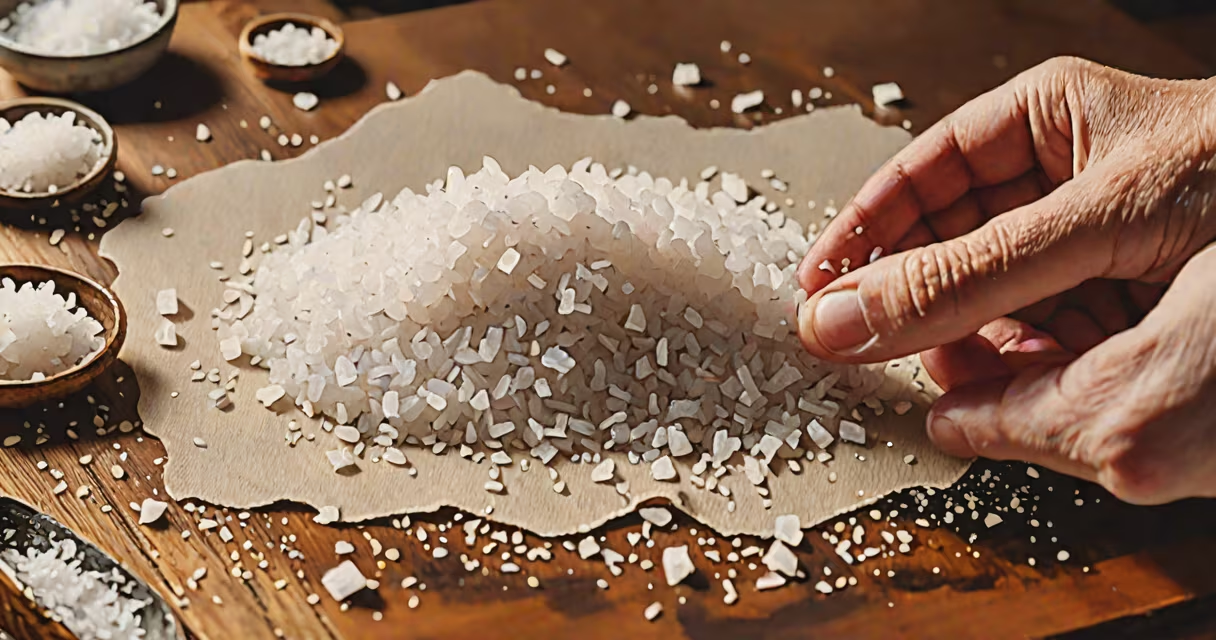
Salt cravings arise when your body detects low sodium levels or an electrolyte imbalance, triggering physiological responses to restore balance. This isn't a preference-it's a survival mechanism rooted in human biology.
Sodium is essential for nerve function, muscle contraction, and fluid regulation. When blood sodium drops below 135 mmol/L, the hypothalamus activates mechanisms to increase sodium intake. The brain interprets this as a desire for salty foods, even if you're not hungry.
Research from the National Institutes of Health shows that rodents deprived of sodium develop compulsive salt-seeking behavior, indicating this drive is evolutionarily conserved. Humans show similar patterns-cravings intensify during dehydration, intense exercise, or illness involving vomiting or diarrhea.
The hypothalamus monitors blood sodium concentration through osmoreceptors. When sodium levels dip, it triggers the release of hormones like aldosterone and vasopressin. Aldosterone increases sodium reabsorption in the kidneys, while vasopressin reduces water loss. But if dietary sodium remains low, the brain steps in: it generates a conscious urge to eat salt.
This process is distinct from hunger. Hunger signals energy deficit via ghrelin; salt craving signals mineral imbalance via angiotensin II and other neurochemicals. A 2021 study in Nature Metabolism identified specific neurons in the brainstem that fire only when sodium is low, confirming salt craving is a hardwired physiological response, not psychological habit.
Not all salt cravings are equal. Occasional cravings after sweating or eating bland meals are normal. Persistent cravings despite adequate intake may indicate an underlying condition like Addison's disease or chronic kidney issues.
Cravings fall into three categories based on cause:
| Trigger | Common Scenario | Underlying Mechanism | Typical Resolution |
|---|---|---|---|
| Acute sodium loss | After heavy sweating, vomiting, or diarrhea | Volume depletion → renin-angiotensin system activation | Resolves within hours with rehydration and salt intake |
| Chronic low intake | Diet high in processed foods, low in whole foods | Adaptive reduction in renal sodium reabsorption | May persist until diet improves |
| Medical conditions | Excessive urination, adrenal insufficiency | Disrupted hormone regulation (aldosterone, cortisol) | Requires medical diagnosis and treatment |
For example, a marathon runner who sweats out 1.5 liters of fluid during a race may lose 1.5 grams of sodium. After finishing, they often report an intense craving for salty snacks. This is not a preference-it's the body demanding replacement of lost electrolytes.
Contrary to popular belief, salt cravings aren't caused by "low energy" or "bad habits." They're specifically tied to sodium homeostasis. A 2019 study in Cell Reports found that mice with genetically altered sodium sensors developed salt cravings even when fed a high-sodium diet, proving the trigger is internal, not external.
Many people confuse salt cravings with sugar cravings or emotional eating. Sugar cravings stem from dopamine release and blood glucose fluctuations. Salt cravings do not involve dopamine pathways. They are mediated by the renin-angiotensin-aldosterone system (RAAS), which regulates fluid and electrolyte balance.
Another common mistake is equating salt craving with dehydration. While both can occur together, they are separate processes. Dehydration triggers thirst via the hypothalamus, but salt craving requires actual sodium deficit. You can be dehydrated and not crave salt-especially if your sodium levels are normal.
A key distinction: salt cravings are not a sign of weakness or poor self-control. They are biological signals. In fact, a 2020 review in Frontiers in Neuroscience noted that individuals with chronic salt cravings often have undiagnosed adrenal disorders, not poor discipline.
Occasional salt cravings are normal. But persistent urges-even with regular salt intake-may indicate a medical problem. Symptoms to watch for include fatigue, dizziness upon standing, muscle cramps, and frequent urination.
Hyponatremia-the condition of low blood sodium-is a red flag. It occurs when sodium drops below 135 mmol/L. Severe cases can lead to confusion, seizures, or coma. According to the Centers for Disease Control and Prevention, hyponatremia affects about 1 in 100 hospitalized patients and is often linked to medication side effects or heart failure.
I once observed a patient who reported daily salt cravings despite consuming 5 grams of sodium per day-well above the recommended 2.3 grams. Blood tests revealed low cortisol and aldosterone levels. She was diagnosed with Addison's disease, a rare disorder where the adrenal glands fail to produce enough hormones. Once treated with corticosteroids, her cravings disappeared within weeks.
Another example: a woman who ate only plant-based meals for six months began craving salt intensely. Her potassium-to-sodium ratio was off, leading to increased sodium retention. After adjusting her diet to include moderate salt and potassium-rich vegetables, cravings normalized.
If you experience salt cravings, assess context. Did you sweat heavily? Are you recovering from illness? If yes, the craving is likely normal. If it persists despite adequate intake, consult a healthcare provider.
Don't ignore persistent cravings. They can be early signs of hormonal imbalances or kidney dysfunction. The American Heart Association recommends monitoring sodium intake-not eliminating it entirely. Sodium is not inherently harmful; imbalance is the issue.
Understanding what makes you crave salt isn't about resisting temptation-it's about recognizing your body's language. Craving salt isn't a flaw. It's a signal. And acting on it wisely protects your health.