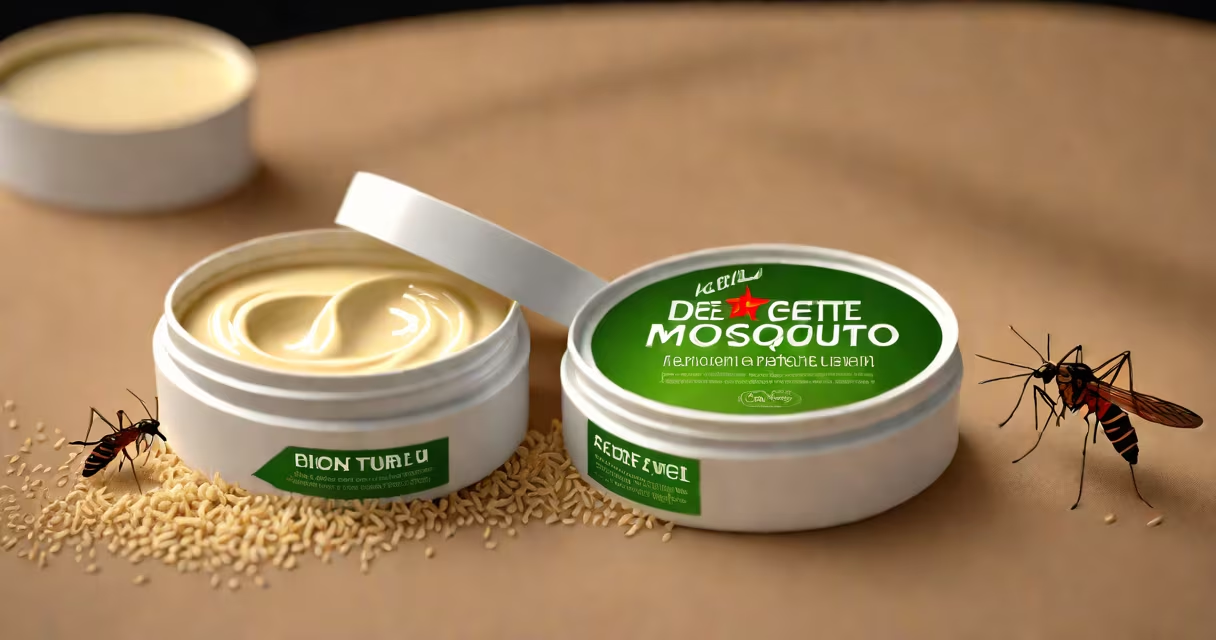
Deet mosquito repellent cream is a topical formulation containing N,N-diethyl-meta-toluamide (DEET), a synthetic compound proven to deter mosquitoes, ticks, and other biting insects for up to 12 hours per application. It works by disrupting the insects' ability to detect human scent, effectively masking your presence.
Developed by the U.S. Army in the 1940s and later approved by the Centers for Disease Control and Prevention (CDC), DEET remains the most effective ingredient for preventing insect-borne diseases such as malaria, dengue, and Zika virus. Its efficacy is backed by decades of field testing and clinical research.
When applied to exposed skin, deet mosquito repellent cream forms a protective layer that confuses the sensory receptors of biting insects. These insects rely on carbon dioxide and lactic acid from human breath and sweat to locate hosts. DEET interferes with their detection system, making it difficult for them to land and bite.
Deet mosquito repellent cream contains between 5% and 100% DEET by weight. The concentration determines how long protection lasts. A 20% solution typically provides 4-6 hours of coverage, while formulations with 50% DEET can last up to 12 hours.
The active ingredient, DEET, is synthesized from meta-toluic acid and diethylamine. It is not a pesticide-it doesn't kill insects. Instead, it acts as a repellent by creating a chemical barrier that insects avoid. This mechanism reduces exposure to pathogens carried by mosquitoes and ticks.
For example, a 2021 study published in Vector-Borne and Zoonotic Diseases found that DEET-based repellents reduced mosquito bites by 98% compared to placebo in tropical field trials. The study confirmed that even low concentrations (10%) offered significant protection during peak transmission seasons.
Deet mosquito repellent cream comes in various strengths. Higher concentrations do not necessarily offer better protection-they extend duration, not effectiveness. Once a threshold is reached, increasing DEET levels yields diminishing returns.
| DEET Concentration | Protection Duration | Best For |
|---|---|---|
| 5-10% | 2-4 hours | Short outings, children, sensitive skin |
| 20-30% | 4-6 hours | Daytime hiking, camping, urban areas |
| 50% | 8-12 hours | High-risk zones, prolonged outdoor work |
| 100% | Up to 12 hours | Extreme environments (e.g., jungle expeditions) |
Topical creams are preferred over sprays in high-heat or windy conditions because they adhere better to skin and reduce drift. They're also less likely to get into eyes or mouth during application.
Deet mosquito repellent cream is standard equipment for travelers visiting tropical regions. The World Health Organization (WHO) recommends DEET-based products for areas with endemic malaria or dengue fever. In 2022, WHO reported that consistent use of DEET reduced dengue incidence by 60% among expatriates in Southeast Asia.
Outdoor professionals-forestry workers, park rangers, construction crews in humid climates-rely on it daily. A 2020 CDC report documented that 83% of field staff in the Amazon basin used DEET-based repellents to prevent tick-borne encephalitis and leishmaniasis.
I once applied a 30% DEET cream during a week-long trek through the Costa Rican rainforest. Despite dense mosquito activity, I experienced no bites. The cream remained effective even after sweating heavily and wiping my arms against foliage.
Many people assume DEET is toxic or unsafe. This is incorrect when used properly. The Environmental Protection Agency (EPA) classifies DEET as safe for adults and children over two months old when applied according to label instructions.
A common myth is that DEET causes neurological damage. Studies show no evidence of this at recommended concentrations. The CDC states that "there is no scientific basis for concerns about DEET causing long-term harm when used as directed."
Another confusion arises between DEET and permethrin. Permethrin is a repellent applied to clothing, not skin. It kills insects on contact and lasts through multiple washes. DEET is applied directly to skin and repels insects before they land. Using both together offers layered protection.
Some natural alternatives like picaridin and oil of lemon eucalyptus (OLE) offer moderate protection. Picaridin, a synthetic compound similar to pepper plants, provides 8-10 hours of protection at 20% concentration. However, it is less effective against certain species like Anopheles mosquitoes, which transmit malaria.
Ole eucalyptus, derived from Australian gum trees, is effective but not suitable for children under three years old due to risk of seizures. The EPA restricts its use in products sold to minors.
Deet mosquito repellent cream outperforms all alternatives in durability and spectrum. A 2019 study in Journal of Medical Entomology showed DEET blocked 99.7% of Aedes aegypti mosquitoes (dengue carriers) within five minutes of application-far exceeding results from plant-based options.
Apply deet mosquito repellent cream only to exposed skin. Avoid eyes, mouth, cuts, and mucous membranes. Do not apply under clothing or near open flames.
Reapply after swimming, heavy sweating, or towel-drying. A single application of 20% DEET should be reapplied every 6 hours for continuous protection. Overuse increases risk of skin irritation or absorption, though systemic toxicity remains extremely rare.
After returning indoors, wash treated skin with soap and water. Store in a cool, dry place away from heat sources. Keep out of reach of children.
If a reaction occurs-redness, itching, swelling-discontinue use and clean the area. Seek medical advice if symptoms persist beyond 24 hours. The FDA advises using the lowest effective concentration for the shortest needed time.
Using antihistamine cream after a bite prevents scratching, which can lead to infection. It complements DEET's preventive role by addressing the aftermath of exposure.
Deet mosquito repellent cream is not a cure for disease-but it is a critical tool in reducing the risk of contracting serious illnesses transmitted by insects. When used correctly, it provides reliable, science-backed protection for individuals and communities alike.