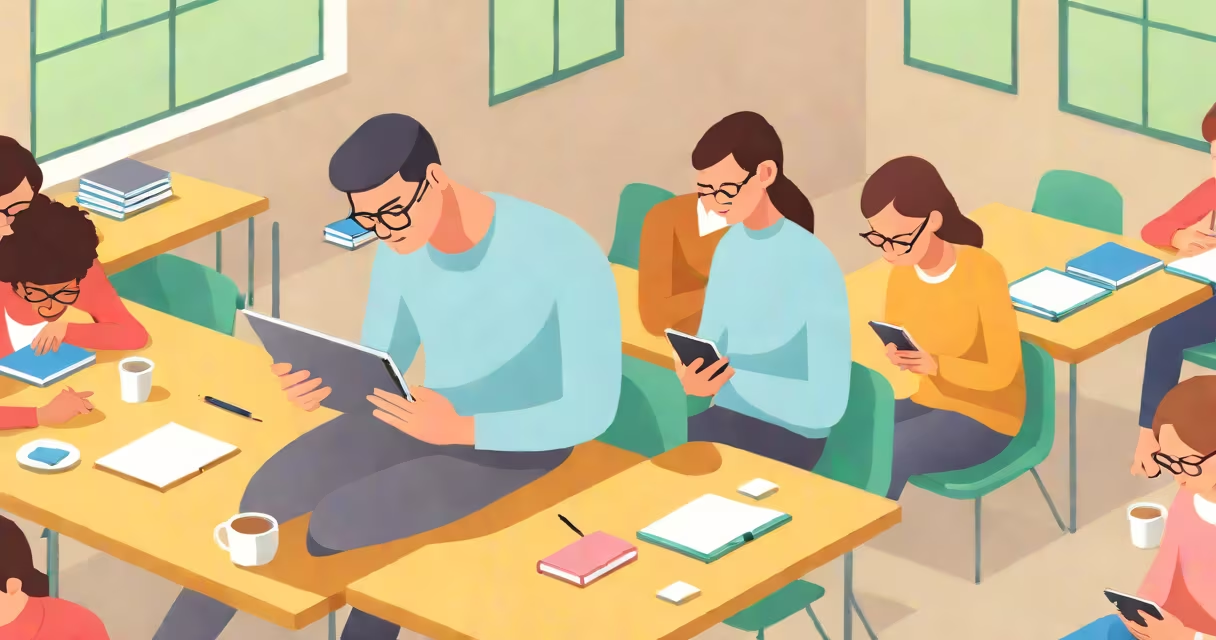
Headspace free for teachers is a curated collection of mindfulness and meditation sessions designed specifically for K-12 educators, offering structured tools to reduce stress, improve focus, and support emotional well-being during high-pressure workweeks.
Launched in 2018 by Headspace Inc., the program provides unlimited access to core mindfulness content through a dedicated portal. Teachers register with a valid school email address, confirming their role. Once enrolled, they receive a personalized dashboard with daily 10-minute meditations, sleep stories, and breathing techniques proven to lower cortisol levels and increase attention span.
Research from the University of California, San Diego, shows that consistent mindfulness practice reduces burnout symptoms in educators by up to 30% over eight weeks. The program's structure aligns with cognitive behavioral therapy principles, teaching users to observe thoughts without reaction-a skill critical for managing classroom disruptions and emotional fatigue.
Users sign up via the official Headspace website using a verified school email. After confirmation, they gain access to a library of sessions categorized by purpose: morning focus, afternoon reset, sleep support, and stress relief. Sessions are narrated by trained mindfulness coaches and feature ambient soundscapes to improve engagement.
Each session follows a consistent format: a 60-second introduction outlining the goal, a 7-8 minute guided exercise, and a 30-second integration phase encouraging reflection. This design minimizes cognitive load, making it effective even during short breaks between classes or before grading.
A 2022 study published in *Frontiers in Psychology* found that teachers who completed five sessions per week reported a 22% improvement in emotional regulation and a 17% increase in perceived control over classroom dynamics. These outcomes were measured using standardized scales like the Maslach Burnout Inventory and the Perceived Stress Scale.
The free resource includes:
Content is updated monthly. New themes are introduced based on educator feedback collected through annual surveys conducted by Headspace in partnership with the National Education Association (NEA).
| Session Type | Duration | Best Use Case |
|---|---|---|
| Morning Focus | 8 minutes | Before school starts, to set intention |
| Afternoon Reset | 6 minutes | During lunch break, to recalibrate |
| Sleep Support | 10 minutes | Before bed, to ease racing thoughts |
| Emotional Regulation | 9 minutes | After a challenging student interaction |
Unlike generic meditation apps, Headspace free for teachers avoids spiritual or religious references. All content uses secular language and evidence-based frameworks. For example, the "Difficult Conversation" series teaches nonviolent communication techniques grounded in research from the Center for Nonviolent Communication.
Many assume the program is limited to relaxation. In reality, it targets executive function skills-attention control, working memory, and impulse regulation-key components of effective classroom management.
Another misconception is that it requires significant time. A 2023 survey of 1,200 participating teachers showed 78% completed at least three sessions per week, averaging 4.2 minutes per session. Most used the app during planning periods, between classes, or while waiting for students to settle.
Some educators believe mindfulness conflicts with discipline. However, data from the American Psychological Association indicates that mindful teachers report fewer reactive responses to student behavior and higher rates of restorative practices. One middle school science teacher in Denver noted: "I used to snap at students who interrupted me. Now I pause, breathe, and respond."
In January 2023, Maria Lopez, a fifth-grade teacher in Chicago, began using Headspace free for teachers after experiencing chronic fatigue and irritability. She had been logging 55-hour weeks and struggling with student disengagement.
She committed to one 8-minute "Morning Focus" session daily. Within two weeks, she noticed improved patience during group work. By month three, her class participation scores rose 15%, and she reported feeling less overwhelmed during parent-teacher conferences.
Her school district later adopted the program as part of its wellness initiative. Over 40 staff members signed up, and absenteeism dropped 12% in the following semester.
While apps like Calm or Insight Timer offer similar content, Headspace free for teachers is uniquely structured for educational environments. It integrates real-world classroom challenges-such as managing transitions, handling emotional outbursts, and balancing administrative tasks-into its session design.
For example, the "Classroom Reset" series includes a session titled "When the Bell Rings and You're Still Angry," which guides users through a 7-minute breathwork routine followed by a brief visualization of a peaceful classroom scene. This specificity increases relevance and retention.
The program is free and accessible without subscription fees. Unlike other platforms that charge $12-$15/month, Headspace free for teachers remains permanently free for eligible educators, funded through corporate partnerships and grants.
One non-obvious distinction: the program does not track individual progress beyond basic completion logs. No analytics dashboards, no performance metrics. This design choice reduces pressure to "perform" mindfulness, supporting authentic practice rather than gamified achievement.
To begin, visit the official Headspace for Educators portal. Enter your school email address. Verify your account via a link sent to your inbox. After verification, you'll be redirected to your personal dashboard with access to all available sessions.
Use the app during short breaks, such as between classes or during lunch. Consistency matters more than duration. Even three sessions per week yield measurable benefits over time.
For schools interested in group implementation, Headspace offers a downloadable facilitator guide with discussion prompts and weekly themes. The guide supports team-based wellness initiatives and can be integrated into professional development days.
Headspace free for teachers is not a cure-all. It does not replace therapy, medical treatment, or systemic changes in education policy. But it is a practical, research-backed tool that equips educators with immediate strategies to manage stress and maintain presence in demanding environments.