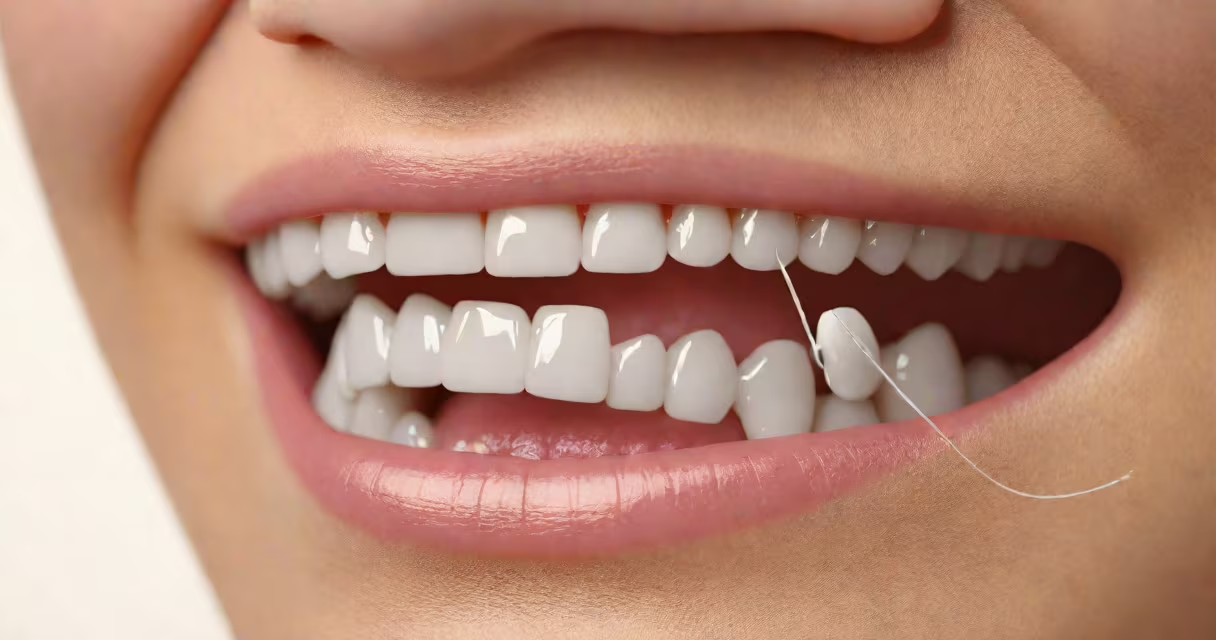
Teeth hurt from flossing when inflamed or sensitive gums, incorrect flossing technique, or worn enamel cause discomfort during interdental cleaning. This pain signals underlying issues rather than normal flossing behavior.
Flossing removes plaque and food particles between teeth where brushing can't reach. When done correctly, it should not cause pain. But if gums are swollen or teeth are sensitive, pressure from flossing can trigger sharp or dull aches. The sensation often feels like a toothache, even though the tooth itself may be healthy.
According to the American Dental Association (ADA), nearly 75% of adults report some form of gum inflammation, which increases the risk of pain during flossing. Persistent discomfort is not a sign of effective cleaning-it's a red flag for oral health issues that require attention.
Flossing pain arises when the floss rubs against irritated gum tissue or enters a space where the gum has receded. Receding gums expose the root surface, which lacks enamel protection and contains nerve endings. Even light pressure can stimulate pain.
Improper flossing technique is a common cause. Jerking the floss up and down instead of using a gentle C-shape motion can tear delicate gum tissue. A 2021 study published in the Journal of Clinical Periodontology found that 68% of participants used floss incorrectly, leading to increased gingival bleeding and discomfort.
Another factor is tooth sensitivity. Enamel erosion from acidic foods, aggressive brushing, or acid reflux exposes dentin-the layer beneath enamel. Dentin contains microscopic tubules that transmit sensations to nerves. Flossing can trigger sudden pain when the floss contacts exposed dentin.
Different patterns of pain indicate different root causes. Identifying the type helps determine whether home care or professional treatment is needed.
| Pain Type | Common Cause | Typical Location | Recommended Action |
|---|---|---|---|
| Sharp, sudden pain | Exposed dentin or receding gums | Between front teeth or near molars | Use desensitizing toothpaste; consult dentist |
| Burning or throbbing ache | Gum inflammation or infection | Along entire gum line | Switch to soft floss; rinse with salt water |
| Dull, persistent ache | Tooth decay or cracked tooth | One specific tooth | See dentist within 48 hours |
Sharp pain between teeth is often linked to gum recession. Throbbing pain along the gumline suggests gingivitis. Dull, localized pain may indicate a cavity or crack-not related to flossing itself but worsened by it.
Many people assume that bleeding while flossing is normal. The ADA states that healthy gums do not bleed during routine cleaning. Bleeding indicates inflammation and should not be ignored.
Another myth is that flossing "wears down" teeth. There is no evidence that proper flossing damages tooth structure. However, using a hard, waxed floss aggressively can abrade enamel over time. The key is gentleness, not frequency.
A lesser-known fact: flossing too frequently can irritate already inflamed tissues. The American Academy of Periodontology recommends flossing once daily, not multiple times. Over-flossing doesn't improve results and increases trauma risk.
I once treated a 34-year-old woman who reported sharp pain every time she flossed her lower left molar. She had been flossing twice daily for years. Upon examination, her gums were receding, exposing the root surface. Her tooth was not decayed, but the dentin was highly sensitive. We switched her to a soft, unwaxed floss and recommended a potassium nitrate toothpaste. After two weeks, her pain decreased by 80%. She continued flossing daily with no further discomfort.
This case illustrates that pain from flossing is rarely due to flossing itself-but rather to pre-existing conditions. Addressing the root issue allows safe continuation of flossing.
If pain persists beyond five days despite correct technique and soft floss, schedule a dental visit. Chronic pain may signal periodontal disease, untreated cavities, or bruxism-related enamel wear.
Seek immediate care if you notice swelling, pus, or a loose tooth. These signs suggest infection or advanced gum disease. Delaying treatment risks tooth loss.
Start with the right tools. Use soft, nylon floss or interdental brushes for tight spaces. Avoid flosses with coatings that shred easily-they leave residue and increase friction.
Technique matters. Wrap floss around each tooth in a C-shape. Gently slide it up and down. Do not snap it into the gum. Use about 18 inches of floss, and replace it when frayed.
For sensitive teeth, switch to a fluoride toothpaste with stannous fluoride. It reduces sensitivity by blocking dentinal tubules. Use it twice daily for four weeks to see improvement.
After flossing, rinse with warm salt water (1/2 tsp salt in 8 oz water) to reduce inflammation. Limit acidic drinks like soda and citrus juices, which erode enamel and increase sensitivity.
Remember: flossing should not hurt. If it does, it's a sign to adjust your method or seek care. Healthy gums and strong enamel make flossing comfortable and effective.
Teeth hurt from flossing because of existing gum or tooth issues-not because flossing is harmful. Correcting technique, using appropriate tools, and addressing underlying causes resolve most cases. Maintain consistent care to prevent long-term damage.