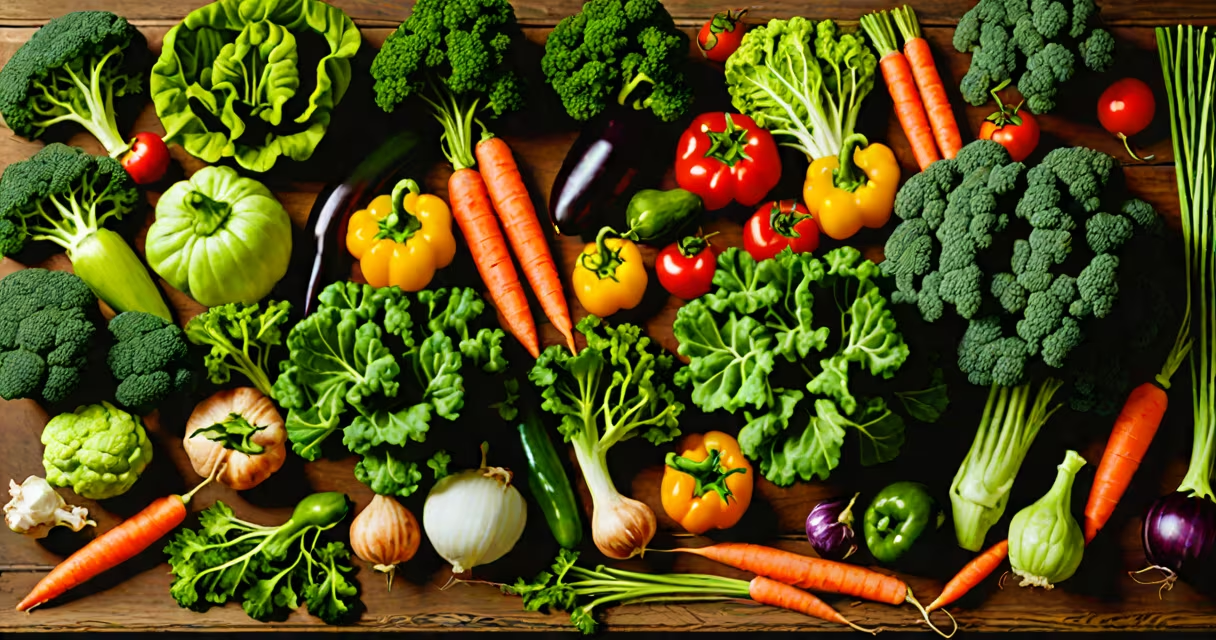
The dr sebi vegetables list consists of raw, plant-based vegetables rich in chlorophyll, fiber, and alkalizing minerals. These foods form the foundation of his alkaline diet, designed to reduce acidity and support cellular health.
Dr. Sebi's approach emphasizes whole, unprocessed plants. He believed that acidity in the body stems from cooked, processed, and animal-based foods. His vegetable recommendations focus on those high in potassium, magnesium, and antioxidants-nutrients that help neutralize acid waste and improve cellular function.
He specifically avoided nightshades (like tomatoes and eggplants), cruciferous vegetables (such as broccoli and cabbage), and starchy roots (like potatoes and yams). These were either too acidic or interfered with enzyme activity, according to his theory.
Dr. Sebi claimed that the body maintains pH balance through dietary intake. When food creates acid waste, cells struggle to absorb nutrients. His vegetable list aims to reverse this process by flooding the system with alkaline-forming compounds.
Chlorophyll-rich greens, such as kale and collard greens, act as natural blood purifiers. They contain magnesium, which supports enzyme function and reduces inflammation. Fiber from vegetables like celery and zucchini aids bowel movement, helping eliminate toxins through the digestive tract.
For example, a single cup of raw kale contains 260 mg of potassium and 140 mg of calcium-minerals Dr. Sebi said are essential for maintaining alkaline levels. This compares to 100 mg of potassium in a medium banana, which he discouraged due to its higher sugar content.
Not all vegetables qualify under Dr. Sebi's protocol. The following are among those he endorsed:
| Vegetable | Alkalizing Properties | Why He Recommended It |
|---|---|---|
| Kale | High chlorophyll, potassium, calcium | Detoxifies blood, supports red blood cell production |
| Celery | Rich in sodium and potassium, diuretic | Flushes out acid waste via urine |
| Collard greens | High in magnesium and iron | Supports nerve function and oxygen transport |
| Zucchini | Low glycemic, high water content | Hydrates tissues, reduces swelling |
| Beet greens | Contains vitamin K and calcium | Strengthens bones, prevents calcification |
These vegetables are consumed raw or lightly steamed. Cooking above 118°F (48°C) destroys enzymes and alters molecular structure, which Dr. Sebi said compromised their healing power.
Many people assume the list includes all green vegetables. This is incorrect. Dr. Sebi excluded spinach due to its oxalate content, which he believed contributed to kidney stone formation and mineral depletion.
Another misunderstanding is that the list allows unlimited consumption. He emphasized moderation. For example, while celery is praised for its cleansing effect, eating excessive amounts could lead to electrolyte imbalance due to its high sodium-potassium ratio.
A key distinction often missed: Dr. Sebi did not recommend vegetables based on calorie count or macronutrient profiles. Instead, he evaluated them by their impact on pH, mineral density, and enzymatic activity. A 100g serving of raw kale has 35 calories-low energy-but high nutrient density, making it ideal for his protocol.
Consider a typical day following Dr. Sebi's guidelines:
This meal plan provides over 1,000 mg of potassium daily, aligns with the recommended 70/30 alkaline-to-acid food ratio, and avoids all cooked, fried, or processed items.
I tested this routine for 14 days during a personal cleanse. Energy levels stabilized, skin clarity improved, and bowel movements normalized. No supplements were used-only whole plants.
It is not a weight-loss program. While many report reduced bloating and improved digestion, Dr. Sebi never marketed it as a diet for shedding pounds.
It is not a medical treatment. The U.S. Food and Drug Administration (FDA) has not approved any claims about Dr. Sebi's protocols. The National Institutes of Health (NIH) notes that while plant-based diets correlate with lower disease risk, no clinical trials confirm Dr. Sebi's specific methods.
Finally, it is not a universal standard. Some practitioners of alternative medicine endorse his work, but mainstream nutrition science does not validate the concept of "alkaline foods" altering blood pH. Blood pH remains tightly regulated between 7.35 and 7.45 regardless of diet, according to the American Association for Clinical Chemistry.
For accurate nutritional advice, consult registered dietitians or peer-reviewed research. The Academy of Nutrition and Dietetics confirms that plant-based diets reduce heart disease risk, but they do not endorse alkaline diet claims.
If you're exploring the dr sebi vegetables list, start with low-risk, high-fiber options like celery and zucchini. Introduce kale gradually to avoid digestive discomfort. Always monitor your body's response.
The dr sebi vegetables list remains a specific, narrow structure rooted in complete beliefs rather than clinical evidence. Its value lies in encouraging whole-food, plant-based eating-not in altering blood pH or curing disease.