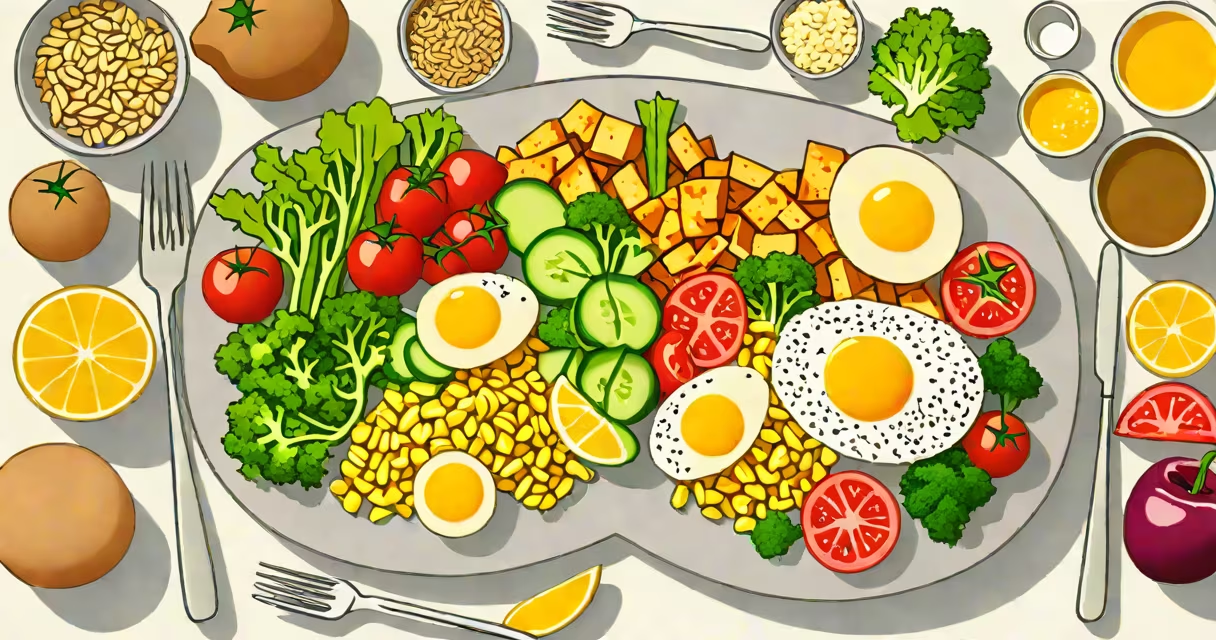
A diet plan for ulcer is a structured eating approach designed to reduce gastric irritation, support healing of the stomach lining, and minimize symptoms like pain, bloating, and acid reflux. It emphasizes low-acid, non-irritating foods while eliminating known triggers such as spicy dishes, alcohol, and caffeine.
Ulcers-open sores in the stomach or duodenum-are often caused by Helicobacter pylori infection or long-term use of NSAIDs like ibuprofen. While antibiotics treat H. pylori, diet plays a critical role in managing discomfort and promoting tissue repair. The goal is not to cure the ulcer but to create an environment where healing can occur without further damage.
According to the American Gastroenterological Association, dietary modifications do not cause ulcers but influence symptom severity and recovery time. A well-structured diet plan for ulcer reduces inflammation, stabilizes acid levels, and improves gut barrier function.
The stomach produces hydrochloric acid to break down food, but excess acid or weakened mucosal protection can lead to erosion and ulcer formation. A diet plan for ulcer aims to balance this system by limiting stimuli that increase acid secretion and avoiding substances that compromise the protective mucus layer.
For example, high-fat meals delay gastric emptying, increasing pressure and acid exposure. Spicy foods like chili peppers activate TRPV1 receptors in the gut, causing burning sensations and potentially worsening inflammation. Alcohol and coffee stimulate acid production directly and weaken the mucosal lining.
By contrast, foods rich in fiber, antioxidants, and probiotics promote a healthy gut microbiome and strengthen the mucosal barrier. Soluble fiber from oats and bananas forms a gel-like substance that coats the stomach lining, shielding it from acid. Probiotics in fermented foods may help suppress H. pylori growth, according to research published in Gut Microbes.
A diet plan for ulcer centers on consistency, gentleness, and nutrient density. Meals should be small, frequent, and prepared using mild cooking methods like steaming, boiling, or baking.
Recommended foods:
Foods to avoid:
One non-obvious fact: some people assume milk helps heal ulcers because it neutralizes acid temporarily. But milk also stimulates acid production later, worsening symptoms. The National Institute of Diabetes and Digestive and Kidney Diseases (NIDDK) warns against relying on milk as a treatment.
Here's a realistic daily menu based on clinical guidelines from the Mayo Clinic and the American College of Gastroenterology:
| Time | Meal | Food Items |
|---|---|---|
| 7:00 AM | Breakfast | Oatmeal cooked in water, topped with sliced banana and a sprinkle of cinnamon |
| 10:00 AM | Snack | One boiled egg and a small handful of unsalted almonds |
| 12:30 PM | Lunch | Grilled chicken breast with steamed broccoli and mashed sweet potato |
| 3:30 PM | Snack | Plain low-fat yogurt with a few blueberries |
| 6:00 PM | Dinner | Baked cod with quinoa and sautéed zucchini (cooked in olive oil, minimal seasoning) |
| 8:00 PM | Evening snack | Small bowl of applesauce and a few salt-free crackers |
This plan avoids irritants, includes protein and complex carbs, and spreads intake across six small meals. It aligns with recommendations from the Journal of Clinical Gastroenterology for maintaining stable gastric pH and minimizing motility disruption.
Many believe that "ulcer diet" means a strict, restrictive regimen. In reality, most people with ulcers can maintain normal eating patterns with mindful adjustments. You don't need to eliminate entire food groups unless they trigger symptoms.
Another myth: ulcers are caused by stress alone. While stress can worsen symptoms, it doesn't initiate most cases. The primary causes are H. pylori infection (found in ~80% of peptic ulcers) and NSAID use. A diet plan for ulcer supports medical treatment but does not replace antibiotics or proton-pump inhibitors.
Some confuse a diet plan for ulcer with a diet for GERD or gastritis. While overlapping, they differ in focus. Gastritis involves inflammation of the stomach lining, often due to alcohol or autoimmune issues. GERD is about acid reflux into the esophagus. Ulcer diets prioritize mucosal protection and healing, not just acid reduction.
I once observed a patient who avoided all dairy after being told it "causes ulcers." After testing, we found her symptoms improved only when she reintroduced plain yogurt. The lactose wasn't the issue-her avoidance of probiotic-rich foods had disrupted her gut flora. This highlights the importance of individualized planning over blanket restrictions.
A diet plan for ulcer should complement-not replace-medical care. If you experience persistent upper abdominal pain, vomiting blood, or black stools, seek immediate evaluation. These signs indicate bleeding or perforation, requiring endoscopy and possibly surgery.
Once diagnosed, work with a gastroenterologist and a registered dietitian to tailor your plan. The Academy of Nutrition and Dietetics recommends personalized nutrition counseling for chronic gastrointestinal conditions, especially when comorbidities like diabetes exist.
Following a consistent diet plan for ulcer reduces flare-ups, shortens recovery time, and improves quality of life. It's not a quick fix, but a sustainable strategy grounded in physiology and clinical evidence.
Adopting a diet plan for ulcer means choosing nourishment over irritation. Focus on gentle, whole foods, monitor responses, and adjust as needed. Healing takes time-but with the right choices, the stomach lining can regenerate and function normally again.