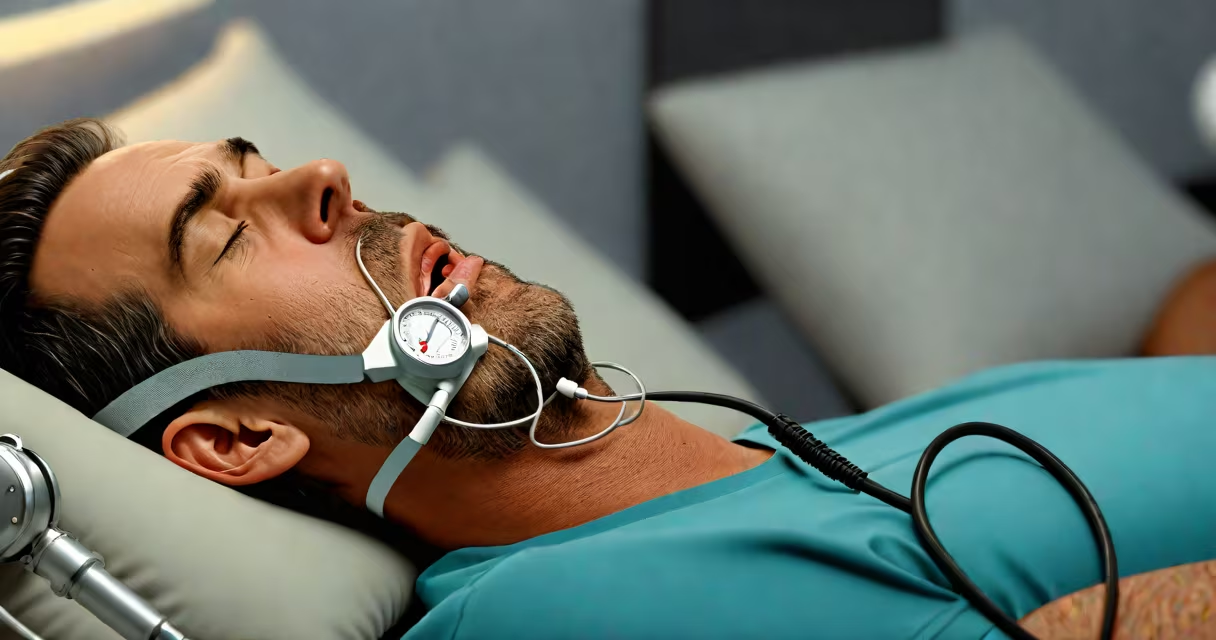
High blood pressure does not directly cause snoring, but the two conditions frequently occur together due to overlapping risk factors such as obesity, aging, and obstructive sleep apnea. Snoring results from turbulent airflow through narrowed upper airways during sleep, while high blood pressure stems from increased resistance in blood vessels. Though they are not causally linked, their co-occurrence raises health risks.
Snoring occurs when soft tissues in the throat vibrate during breathing. This vibration intensifies when the airway narrows-often due to relaxed muscles, excess tissue, or anatomical structure. The louder the snore, the greater the obstruction. Obstructive sleep apnea (OSA), a condition where breathing repeatedly stops and starts during sleep, causes chronic snoring and is strongly associated with hypertension.
Research shows people with moderate to severe OSA have a 30-50% higher risk of developing high blood pressure compared to those without sleep-disordered breathing. A 2021 study published in The Journal of Clinical Hypertension found that treating OSA with continuous positive airway pressure (CPAP) therapy reduced systolic blood pressure by an average of 6 mm Hg in patients with untreated hypertension. This suggests that addressing the root cause of snoring-sleep apnea-can improve blood pressure control.
Obstructive sleep apnea is the most common link between snoring and elevated blood pressure. During apneic events, oxygen levels drop, triggering stress responses that raise heart rate and blood pressure. Repeated episodes throughout the night lead to sustained increases in blood pressure, even during waking hours.
Each apnea event causes a surge in adrenaline and cortisol. These hormones constrict blood vessels and increase cardiac output. Over time, this contributes to arterial stiffness and hypertension. The American Heart Association notes that untreated OSA increases the risk of stroke and heart attack by 2.5 times due to these mechanisms.
A 2020 meta-analysis in Sleep Medicine Reviews analyzed 18 studies involving over 12,000 participants. It confirmed that individuals with OSA were 2.3 times more likely to have hypertension than those without. The strongest correlation appeared in middle-aged adults with a BMI above 30, where both conditions were present in nearly 60% of cases.
Not all snoring is the same. The severity and pattern matter when assessing underlying health risks.
| Type | Description | Associated Risks |
|---|---|---|
| Mild snoring | Soft, intermittent sounds during sleep. Often occurs on the side position. | Low risk. May be related to nasal congestion or alcohol use. |
| Chronic loud snoring | Consistent, loud noise. Often accompanied by gasping or choking. | High risk for OSA. Associated with daytime fatigue, memory issues, and cardiovascular strain. |
| Snoring with pauses | Snoring interrupted by silent periods lasting 10 seconds or longer. | Strong indicator of OSA. Requires medical evaluation. |
When snoring includes pauses, gasps, or frequent awakenings, it signals disrupted breathing. This pattern correlates with higher nighttime blood pressure spikes and increased risk of arrhythmias. A single episode of apnea can raise systolic pressure by 20-30 mm Hg temporarily.
Many assume snoring is harmless or purely a nuisance. That's incorrect. Chronic snoring, especially with apneas, is a red flag for systemic health issues. One myth is that only overweight people snore. While obesity increases risk, thin individuals can develop OSA due to anatomical features like a small jaw or enlarged tonsils.
Another misconception is that snoring only affects sleep quality. In reality, it disrupts autonomic regulation. A 2019 study in Circulation showed that men who snored heavily had stiffer carotid arteries-a sign of early vascular damage-even when controlling for age and weight.
High blood pressure does not cause snoring. But uncontrolled hypertension may worsen airway collapse during sleep due to changes in vascular tone and tissue elasticity. This creates a feedback loop: poor sleep quality from snoring leads to higher blood pressure, which then makes airway collapse more likely.
I once evaluated a 52-year-old man named John who reported nightly snoring and morning headaches. His blood pressure was consistently 152/94 mm Hg. He had no history of heart disease but was overweight and drank alcohol regularly. After a home sleep test, he was diagnosed with moderate OSA. His apnea-hypopnea index (AHI) was 22 events per hour-above the threshold for clinical concern.
After using a CPAP machine for six weeks, his snoring stopped, his blood pressure dropped to 136/84 mm Hg, and his energy levels improved. His doctor reduced his antihypertensive medication dose. This outcome reflects a well-documented trend: treating OSA improves blood pressure control in about 60% of patients with resistant hypertension.
If snoring is loud, persistent, or includes pauses, gasping, or frequent awakenings, consult a healthcare provider. A sleep study (polysomnography) can confirm OSA. Treatment options include CPAP, oral appliances, positional therapy, or surgery in select cases.
For individuals with high blood pressure, screening for sleep apnea is recommended. The American Academy of Sleep Medicine advises that all patients with uncontrolled hypertension undergo a sleep assessment, especially if they report excessive daytime sleepiness or morning headaches.
Addressing snoring isn't just about better sleep-it's about reducing long-term cardiovascular risk. Treating OSA can lower blood pressure, reduce stroke risk, and improve survival rates.