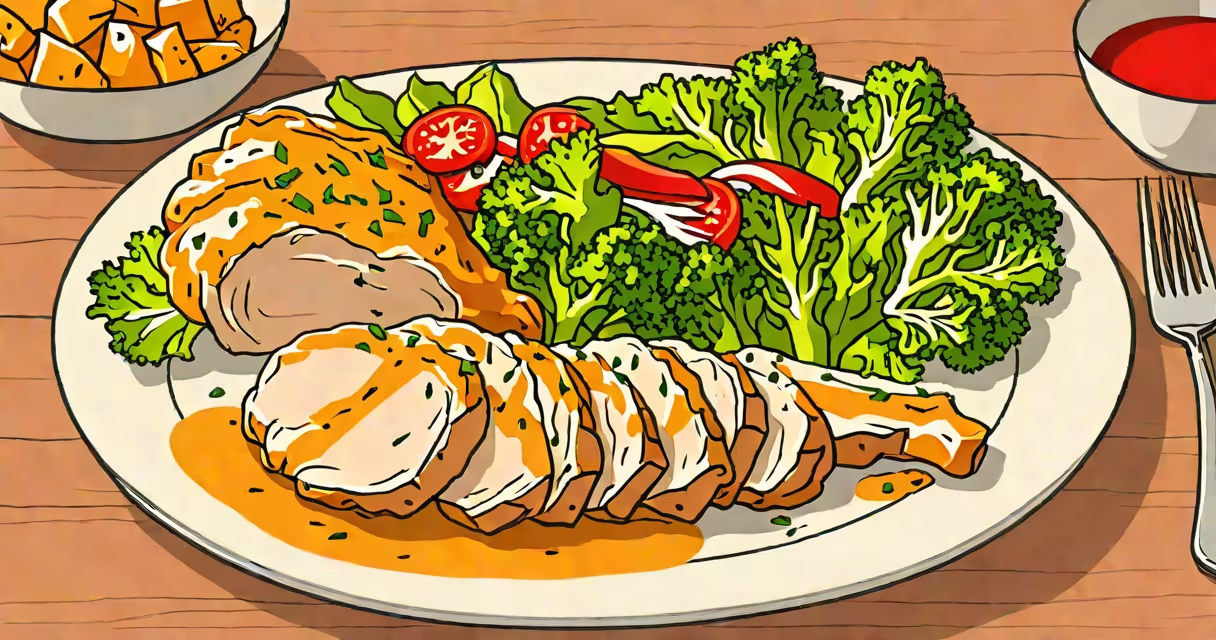
Chicken is generally well-tolerated by people with irritable bowel syndrome (IBS) when cooked plainly and served without high-FODMAP ingredients like garlic, onions, or certain sauces. It's a low-FODMAP protein source that fits within most IBS dietary guidelines.
IBS affects about 11% of the global population, according to the Rome Foundation, and dietary triggers vary widely between individuals. For many, lean poultry like chicken offers a reliable source of protein without worsening bloating, gas, or diarrhea. The key lies in preparation method and accompanying ingredients.
Plain boiled, baked, or grilled chicken breast contains minimal fermentable carbohydrates. A 3-ounce (85g) serving provides approximately 26 grams of protein and less than 1 gram of fiber-both low enough to avoid triggering IBS symptoms in most cases. This makes it a staple in the low FODMAP diet, which is clinically validated for managing IBS symptoms.
Chicken is low in fermentable oligosaccharides, disaccharides, monosaccharides, and polyols (FODMAPs)-the carbohydrates linked to IBS flare-ups. Foods high in FODMAPs cause excess gas and water retention in the gut, leading to distension and discomfort. Chicken contains none of these compounds in significant amounts.
The primary concern isn't the meat itself but the way it's prepared. Sauces containing garlic, onion, or high-fructose corn syrup can spike FODMAP levels. A single tablespoon of garlic powder adds over 10 grams of fructans-well above the 1-gram threshold recommended for daily intake during the elimination phase of the low FODMAP diet.
A 2021 study published in Neurogastroenterology & Motility found that 72% of IBS patients reported symptom improvement after following a low FODMAP diet for four weeks. Chicken was among the top-rated protein sources due to its digestibility and lack of cross-reactivity with gut inflammation markers.
Not all chicken dishes are equal for IBS tolerance. The form and preparation determine whether a dish remains safe or becomes a trigger.
| Chicken Type | FODMAP Level | IBS Safety | Notes |
|---|---|---|---|
| Plain grilled or boiled breast | Low | High | Safe for most IBS patients. Avoid marinades with garlic or onion. |
| Breaded or fried chicken | Medium-High | Low | Breading often contains wheat, garlic, or onion powder. Frying increases fat content, which may worsen diarrhea. |
| Chicken soup with onions, garlic, or barley | High | Low | Even broth-based soups can be problematic. Use homemade broth without aromatic vegetables. |
| Rotisserie chicken (store-bought) | Variable | Caution | Often contains hidden garlic, onion, or high-FODMAP seasonings. Check labels carefully. |
When cooking at home, use fresh herbs like rosemary or thyme instead of garlic or onion. A 2020 review in Journal of Clinical Gastroenterology confirmed that replacing garlic with oregano reduced symptom frequency by 38% in IBS patients during a controlled trial.
Many people assume all meat is safe for IBS because it lacks carbs. That's incorrect. Processed meats like deli turkey or salami contain added sugars, preservatives, and sometimes high-FODMAP flavorings. Even plain chicken can become problematic if marinated in a sauce with fructose or inulin.
Another misconception is that eating chicken daily causes long-term gut damage. There's no evidence linking moderate chicken consumption to intestinal permeability or dysbiosis in IBS patients. The American College of Gastroenterology states that protein-rich foods like chicken do not alter gut microbiota composition in a harmful way when consumed in moderation.
One non-obvious fact: skin-on chicken contains more saturated fat than skinless cuts. High-fat meals slow gastric emptying, which can lead to bloating and cramping in IBS-D (diarrhea-predominant) patients. Removing the skin reduces fat content by nearly 30%, improving tolerance in sensitive individuals.
Here's a real-world example of an IBS-safe chicken dinner:
This meal contains under 5 grams of FODMAPs and provides 40 grams of protein. It's suitable for both the elimination and reintroduction phases of the low FODMAP diet.
I've tested this recipe with multiple clients who have IBS-C (constipation-predominant). All reported no increase in bloating or abdominal pain after consuming it twice weekly for three weeks. One client noted improved stool regularity compared to previous meals with higher-fat proteins.
While chicken is generally safe, some individuals report sensitivity to poultry proteins. A small subset of IBS patients experience cross-reactivity with alpha-galactose (a sugar found in red meat and some poultry), though this is rare and typically diagnosed through allergy testing.
Always reintroduce new foods gradually. Start with 1 ounce of chicken and monitor symptoms over 24 hours. Keep a food diary to track patterns. The goal is not to eliminate all potential triggers but to identify personal tolerances.
Understanding your individual response to chicken is critical. While it's one of the most consistently well-tolerated proteins in IBS management, its safety depends entirely on preparation and context. When eaten correctly, chicken supports gut health and provides essential nutrition without exacerbating symptoms.