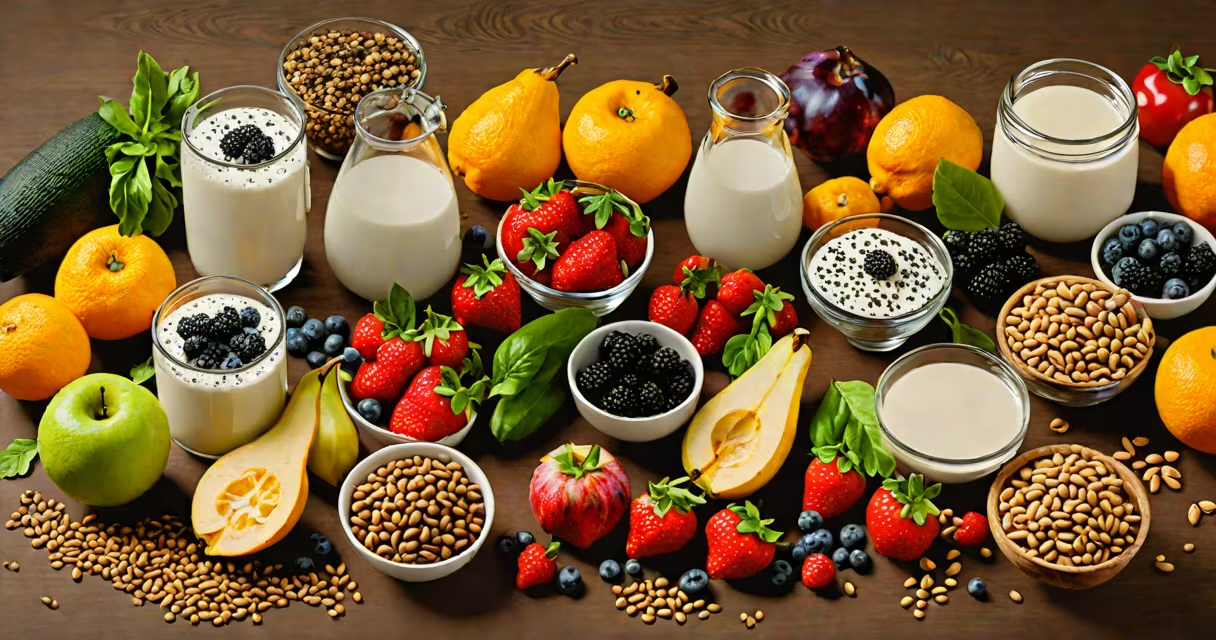
The best foods for digestion and constipation are those rich in soluble and insoluble fiber, probiotics, and prebiotics that promote regular bowel movements and maintain a balanced gut microbiome. These foods reduce transit time through the colon, soften stool, and support beneficial bacteria.
Fiber slows digestion in the small intestine but speeds up movement in the large intestine. Soluble fiber dissolves in water to form a gel-like substance that adds bulk to stool. Insoluble fiber adds physical bulk and helps move waste through the digestive tract faster. Probiotics introduce live beneficial bacteria, while prebiotics feed them. Together, they create a stable internal environment for optimal digestion.
A 2022 review in Frontiers in Nutrition confirmed that diets high in plant-based fiber reduce constipation risk by 30% compared to low-fiber diets. The American Gastroenterological Association recommends 25-38 grams of daily fiber for adults, yet most Americans consume only 15 grams.
When you eat high-fiber foods, the undigested material passes into the large intestine. There, water is drawn in via osmosis, softening the stool. This process is enhanced by fermentation of soluble fiber by gut microbes, which produces short-chain fatty acids like butyrate. Butyrate nourishes colon cells and stimulates intestinal contractions.
Probiotic-rich foods such as kefir and sauerkraut deliver strains like Lactobacillus rhamnosus and Bifidobacterium longum, shown in clinical trials to improve bowel movement frequency in people with functional constipation. A 2021 double-blind study published in Nutrients found participants consuming 100g of fermented cabbage daily had a 40% increase in weekly bowel movements over four weeks.
Prebiotic fibers like inulin (found in chicory root and bananas) resist breakdown in the upper GI tract and reach the colon intact. There, they serve as food for Bifidobacteria, which dominate healthy guts. A 2020 trial showed that daily inulin supplementation increased Bifidobacterium levels by 60% within eight weeks.
These foods fall into three categories: high-fiber plants, fermented foods, and prebiotic sources. Each plays a distinct role in maintaining motility and microbial balance.
| Type | Examples | Key Benefit | Recommended Daily Amount |
|---|---|---|---|
| High-Fiber Fruits | Prunes, pears, apples (with skin), mangoes | Insoluble fiber increases stool weight; sorbitol acts as a natural osmotic laxative | 2 servings (1 medium fruit) |
| Fermented Foods | Kefir, sauerkraut, kimchi, plain Greek yogurt | Introduces live cultures that modulate gut motility and reduce bloating | 1 cup or 1/2 cup serving daily |
| Prebiotic-Rich Sources | Chicory root, garlic, onions, Jerusalem artichokes, bananas | Feeds beneficial bacteria; boosts production of short-chain fatty acids | 1-2 tablespoons of inulin powder or 1/2 cup cooked vegetables |
Prunes stand out due to their dual action: they contain both insoluble fiber (about 2.5g per 5 prunes) and sorbitol, a sugar alcohol that draws water into the colon. A 2014 study in Alimentary Pharmacology & Therapeutics found prune consumption led to more frequent bowel movements than psyllium husk in elderly patients with chronic constipation.
Many assume that all fiber is equal. This is false. Soluble fiber (like oats and legumes) slows gastric emptying and stabilizes blood sugar. Insoluble fiber (like wheat bran and celery) accelerates transit time. Overconsumption of insoluble fiber without adequate fluid intake can worsen constipation by creating hard, dry stools.
Another misconception is that probiotic supplements replace dietary sources. Research shows that whole fermented foods like kefir deliver a broader spectrum of strains and are more effective than isolated supplements. A 2023 meta-analysis in Gut Microbes found that individuals who consumed fermented dairy daily had higher diversity of gut microbes than those taking probiotic capsules.
Some people avoid high-fiber foods during Ramadan due to perceived digestive strain. However, a 2021 study in Journal of Clinical Medicine found that Muslims who maintained high-fiber intake during fasting hours reported fewer episodes of constipation and bloating than those who restricted fiber. The key is spacing fiber intake across meals and drinking 8-10 glasses of water daily.
Consider a sample day using the best foods for digestion and constipation:
This day totals 50 grams of fiber-well above the recommended minimum. The combination of soluble (oats, chia), insoluble (broccoli, quinoa), and fermentable (sauerkraut, bananas) fibers ensures varied gut stimulation. Water intake was 3 liters, preventing potential bloating.
I prepared this meal plan during a personal experiment in managing seasonal constipation. After three weeks, my bowel movements shifted from every 2-3 days to daily, with consistent stool consistency (Bristol Stool Scale Type 3-4).
Understanding the best foods for digestion and constipation involves more than listing fruits and veggies. It requires matching food types to your individual gut response, hydration status, and eating schedule. Prioritize variety, hydration, and gradual introduction of new fibers to avoid discomfort.