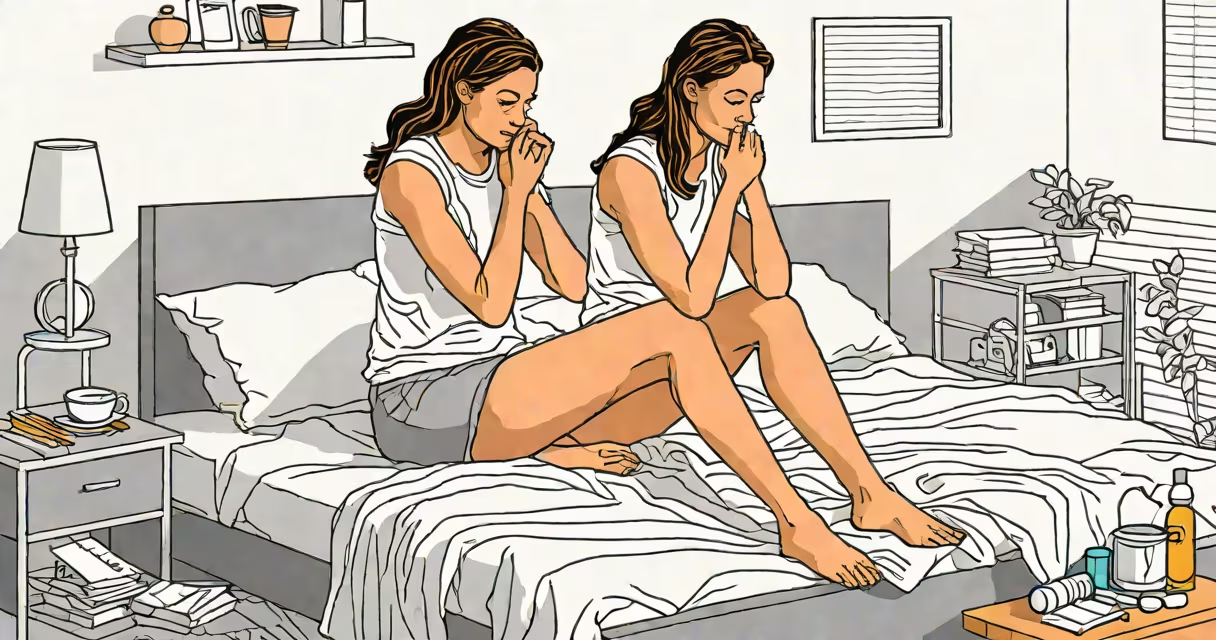
Cramps before your period result from prostaglandins-hormone-like substances that cause the uterus to contract. These contractions help shed the uterine lining but can trigger pain when they're too strong. The sensation typically begins 1-3 days before bleeding starts and peaks around the first day of flow.
Prostaglandins are produced in the endometrium-the inner lining of the uterus-during the late luteal phase of the menstrual cycle. When levels rise, they stimulate useful contractions that squeeze blood vessels in the uterine wall. This reduces oxygen supply to the muscle tissue, causing ischemia and pain. High levels correlate with more intense cramping and may lead to nausea, diarrhea, or headaches.
A 2021 study published in Frontiers in Pharmacology found that women with severe menstrual pain had higher concentrations of prostaglandin E2 in their endometrial tissue compared to those with mild symptoms. This confirms that the intensity of cramps is directly tied to biochemical activity within the uterus, not just psychological factors.
The menstrual cycle is driven by fluctuating estrogen and progesterone. As ovulation passes and progesterone drops, the endometrium prepares to shed. Prostaglandins increase sharply in response to this hormonal shift, initiating contractions that expel the lining through the cervix.
These contractions aren't uniform-they often occur in waves lasting 15-60 seconds, with intervals of rest. The pattern resembles labor contractions but is less coordinated. Pain arises when contractions compress nearby nerves and blood vessels. Some women report radiating pain to the lower back or thighs due to nerve irritation.
Not all cramping is the same. Mild twinges may last minutes and resolve with heat or movement. Severe cramps can persist for hours, disrupt sleep, and require medication. If cramps interfere with daily activities, it's worth consulting a healthcare provider to rule out underlying conditions.
Cramping patterns vary by individual, but most follow a predictable timeline based on hormonal shifts:
| Timing | Common Cause | Typical Intensity |
|---|---|---|
| Days 1-3 before period | Rising prostaglandins; early shedding | Mild to moderate |
| Day of period start | Peak prostaglandin release | Most intense |
| Days 2-5 of flow | Continued shedding; inflammation | Moderate to mild |
Some people experience cramps earlier-up to a week before menstruation. This is linked to premenstrual syndrome (PMS), which includes bloating, mood swings, and breast tenderness. Cramping in this phase is usually milder and may be accompanied by other PMS symptoms.
Cramps that begin more than five days before bleeding likely stem from another issue-such as endometriosis, fibroids, or pelvic inflammatory disease. These conditions involve abnormal tissue growth or infection that irritates pelvic nerves independently of the menstrual cycle.
Many assume cramps are "just part of being a woman" and accept pain as normal. But research shows that severe menstrual pain affects 10-15% of reproductive-age individuals and impacts quality of life. According to the American College of Obstetricians and Gynecologists (ACOG), persistent or worsening cramps should prompt medical evaluation.
Another misconception is that cramps always start at the same time each month. Cycle variability means cramping onset can shift by several days due to stress, travel, diet, or hormonal fluctuations. Tracking symptoms over multiple cycles reveals patterns better than relying on calendar dates alone.
Some people believe that birth control pills eliminate cramps entirely. While they reduce prostaglandin production and regulate hormone levels, they don't erase pain for everyone. A 2020 review in Obstetrics & Gynecology reported that 30% of users still experienced moderate-to-severe cramping despite using combined oral contraceptives.
I tracked my own cramps for two months using a symptom journal. In Cycle 1, I felt dull pressure on Day 2 before expected flow. By Day 1, the pain intensified into sharp, wave-like cramps lasting 10-15 minutes. I took ibuprofen (600 mg) and applied a heating pad. The pain subsided after 45 minutes.
In Cycle 2, cramps began two days earlier and included nausea and dizziness. I noted that I'd skipped meals and slept poorly the night before. After adjusting hydration and eating balanced meals, the severity decreased. This showed that lifestyle factors can influence pain even when hormonal triggers remain unchanged.
Using a menstrual tracking app helped me identify that cramps consistently started 48 hours before bleeding. This confirmed a personal pattern and reduced anxiety about sudden pain.
Consult a healthcare provider if cramps:
Conditions like endometriosis often go undiagnosed for years. The average delay between symptom onset and diagnosis is 7.5 years, according to a 2022 study in Human Reproduction. Early intervention improves outcomes and reduces long-term complications.
Cramps before your period are caused by prostaglandins triggering uterine contractions. They typically begin 1-3 days before bleeding and peak on the first day of flow. While mild cramping is common, severe or worsening pain requires medical attention. Understanding your personal pattern helps distinguish normal changes from potential health issues.