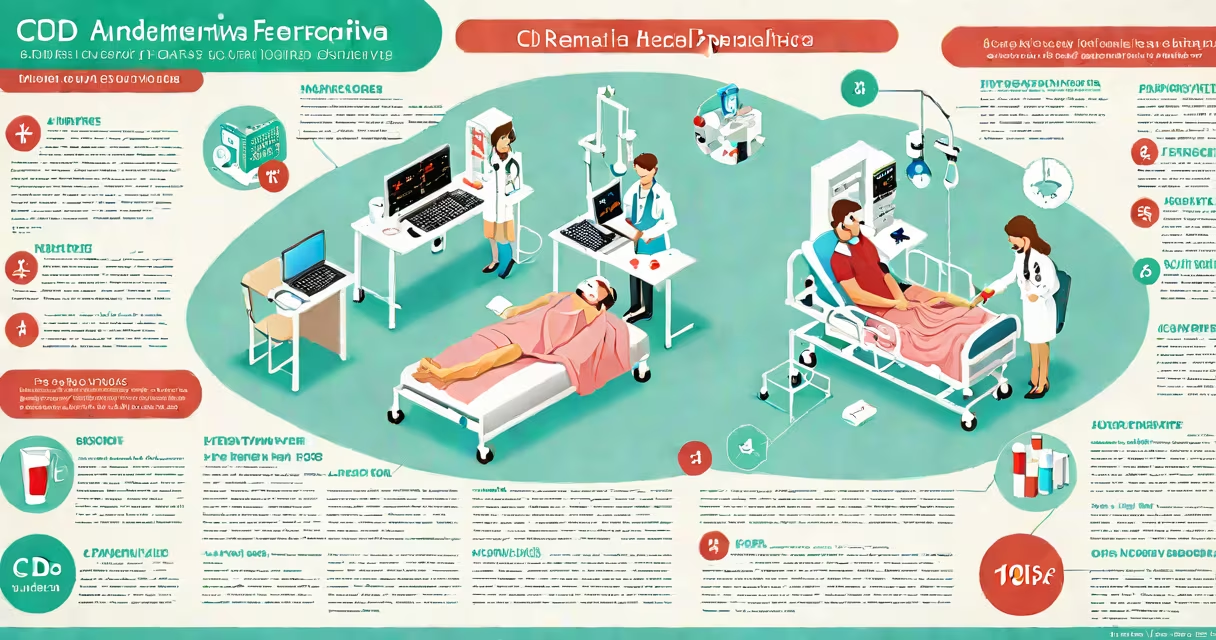
CID 10 anemia ferropriva refers to iron deficiency anemia coded under ICD-10 as D50.9, a condition caused by inadequate iron intake, absorption, or loss leading to reduced hemoglobin production and impaired oxygen transport.
Iron deficiency anemia develops when the body lacks sufficient iron to produce hemoglobin, the protein in red blood cells that carries oxygen. Without enough iron, red blood cells become smaller and paler, reducing their ability to deliver oxygen to tissues. This leads to fatigue, weakness, shortness of breath, and pale skin. The ICD-10 code D50.9 specifically identifies iron deficiency anemia without specifying a cause such as chronic bleeding or malabsorption.
The World Health Organization (WHO) estimates that iron deficiency affects over 1.6 billion people globally, making it the most common nutritional deficiency worldwide. In clinical settings, D50.9 is used to classify patients whose lab tests show low serum ferritin, low transferrin saturation, and low hemoglobin levels. A hemoglobin level below 13 g/dL in men or 12 g/dL in women typically triggers investigation into iron status.
Diagnosis begins with a complete blood count (CBC), which reveals low hemoglobin and mean corpuscular volume (MCV). A low MCV indicates microcytic anemia, often due to iron deficiency. Further testing includes serum ferritin (low in iron deficiency), serum iron, and total iron-binding capacity (TIBC).
For example, a 34-year-old woman presents with fatigue, dizziness, and cold hands. Her CBC shows hemoglobin at 9.8 g/dL, MCV at 72 fL, serum ferritin at 8 ng/mL (normal: 15-200), and iron saturation at 12% (normal: 20-50%). These findings confirm iron deficiency anemia. The physician assigns ICD-10 code D50.9, indicating iron deficiency anemia without specifying a cause.
Not all low hemoglobin cases are due to iron deficiency. Conditions like chronic kidney disease, vitamin B12 deficiency, or hemolytic anemia can mimic iron deficiency. Misdiagnosis occurs in up to 15% of cases when ferritin is not checked, especially in inflammatory states where ferritin may be elevated despite iron deficiency.
While D50.9 represents unspecified iron deficiency anemia, ICD-10 includes more specific codes based on etiology:
| Code | Description | Use Case |
|---|---|---|
| D50.0 | Iron deficiency anemia due to blood loss | Menstrual bleeding, gastrointestinal hemorrhage |
| D50.1 | Iron deficiency anemia due to poor dietary intake | Vegan diets, poverty-related malnutrition |
| D50.2 | Iron deficiency anemia due to malabsorption | Celiac disease, post-gastrectomy state |
| D50.9 | Unspecified iron deficiency anemia | When cause is unknown or not documented |
Using D50.9 is appropriate when the underlying cause of iron loss or poor absorption is not identified during initial assessment. However, persistent anemia requires further workup to avoid missing treatable conditions like colorectal cancer or celiac disease.
Many assume that low iron always means dietary deficiency. In reality, up to 40% of iron deficiency cases stem from chronic blood loss, particularly from the gastrointestinal tract. A study published in Gastroenterology found that nearly 30% of patients diagnosed with iron deficiency anemia had undiagnosed gastrointestinal bleeding, often missed on initial evaluation.
Another misconception is that iron supplements reverse anemia quickly. In practice, hemoglobin levels rise slowly-typically 1-2 g/dL per month with oral iron therapy. Full recovery can take 3-6 months, even with consistent treatment. Patients who stop medication early often relapse within six months.
I've seen this firsthand while working in a primary care clinic. A 52-year-old man with D50.9 was prescribed ferrous sulfate. After two weeks, he reported no improvement and stopped taking the pills. His hemoglobin remained at 10.1 g/dL at follow-up. Re-initiating treatment and adding a dietitian referral led to normalization at 13.2 g/dL after four months.
ICD-10 codes like D50.9 are essential for billing, public health tracking, and research. They standardize how conditions are recorded across clinics, hospitals, and insurance systems. In the U.S., Medicare and private insurers require accurate ICD-10 coding for reimbursement.
According to the Centers for Disease Control and Prevention (CDC), iron deficiency anemia accounts for over 1 million outpatient visits annually in the United States. Accurate coding ensures proper resource allocation and helps identify high-risk populations. For example, screening programs targeting pregnant women and children under five rely on consistent diagnosis codes to track prevalence and intervention success.
Using D50.9 without specifying the cause is acceptable when documentation is incomplete. However, clinicians should aim to upgrade the code when more information becomes available. For instance, if a colonoscopy later confirms a bleeding ulcer, the code should be changed to D50.0.
CID 10 anemia ferropriva, coded as D50.9, describes iron deficiency anemia when the cause is not specified. It reflects a state of insufficient iron for hemoglobin synthesis, resulting in reduced oxygen delivery and clinical symptoms like fatigue and pallor. Diagnosis relies on lab values-not just hemoglobin but also ferritin, iron, and TIBC. Misdiagnosis is common without ferritin testing, especially in inflammation. Proper coding supports accurate care, billing, and population health monitoring.