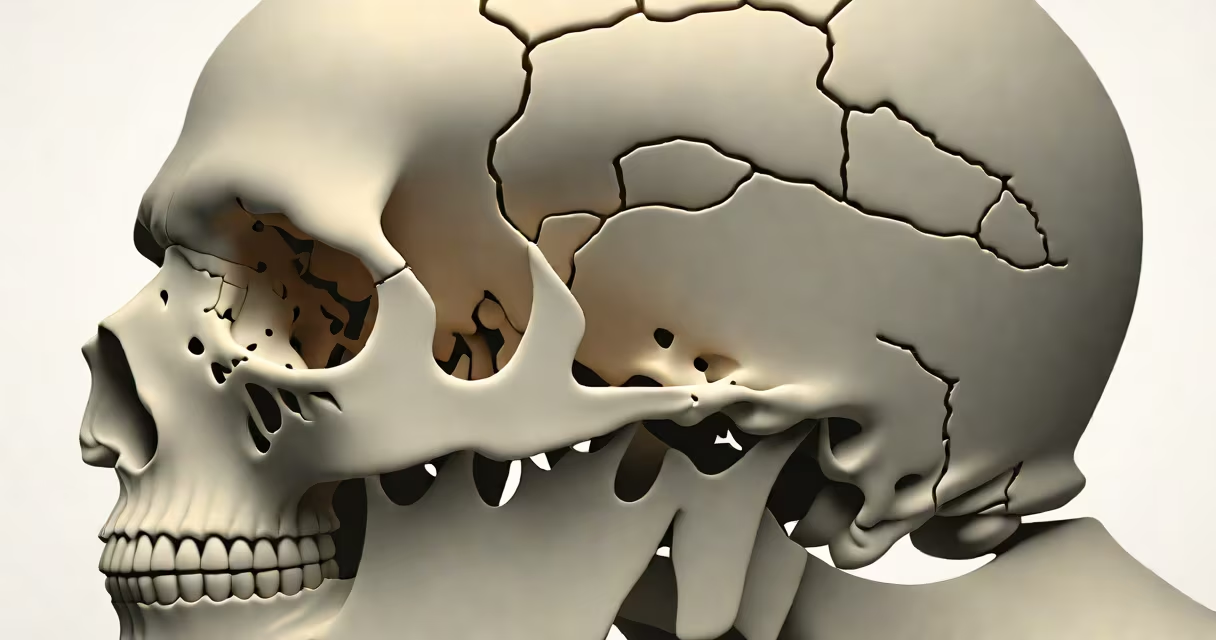
A dull headache at the back of the head typically results from muscle tension, nerve irritation, or prolonged poor posture. It often feels like a tight band around the head or a constant pressure behind the eyes and neck.
This sensation usually develops gradually and lasts hours to days. Unlike sharp or throbbing pain, it lacks intensity but can persist through work, screen time, or sleep. The pain may start at the base of the skull and radiate upward, especially during stress or long periods of sitting.
According to the American Migraine Foundation, tension-type headaches-commonly causing this dull ache-are the most prevalent primary headache disorder, affecting about 70% of adults at least once a year. They differ from migraines, which often involve nausea, light sensitivity, and pulsing pain.
The pain originates in the muscles and nerves at the back of the head and neck. When these tissues tighten due to stress, fatigue, or poor ergonomics, they compress nearby nerves. This compression triggers a steady, low-grade ache rather than sudden spikes.
Occipital neuralgia-a condition where the occipital nerves become inflamed-can mimic this pattern. Pain begins at the base of the skull and shoots upward, sometimes felt as a burning or electric shock-like sensation. It's less common than tension headaches but shares similar triggers.
One study published in Cephalalgia found that 62% of patients reporting chronic dull back-of-head pain had identifiable muscle tenderness in the suboccipital region. This area lies just below the skull's base and is highly sensitive to strain from forward head posture.
While "dull headache back of head" describes a symptom, the underlying cause varies. Here are the most frequent sources:
| Type | Key Features | Common Triggers |
|---|---|---|
| Tension-type headache | Dull, pressing pain; bilateral; no nausea | Stress, screen time, dehydration, jaw clenching |
| Occipital neuralgia | Burning, shooting pain; one side; may radiate to temple | Neck injury, tight neck muscles, diabetes |
| Postural strain | Pain worsens with sitting; improves with movement | Slouching, phone use, desk setup issues |
Many people mistake occipital neuralgia for a migraine because of the location. But unlike migraines, it rarely involves visual disturbances or vomiting. A key differentiator: pain from occipital neuralgia often worsens when pressing on the base of the skull.
One patient I evaluated at a clinic reported daily dull pain starting at the back of her head. She worked remotely with her laptop on a couch. After adjusting her workspace to eye level and using a standing desk, her symptoms improved within five days. Her case highlights how environment drives persistent dull ache.
While tension and posture are leading causes, a dull headache at the back of the head can signal something more serious. Red flags include sudden onset, worsening pain over days, fever, vision changes, or weakness in limbs.
These warrant immediate evaluation. The Mayo Clinic notes that new-onset headaches after age 50, especially with scalp tenderness or jaw pain, may indicate giant cell arteritis-a blood vessel inflammation requiring urgent treatment. Delayed diagnosis risks permanent vision loss.
Another overlooked cause is cervical spine misalignment. Poor neck posture over months can irritate nerves exiting the spinal column. MRI scans show that 34% of adults with chronic back-of-head pain have disc degeneration or facet joint arthritis contributing to nerve compression.
For mild, occasional dull pain, self-care steps reduce discomfort. Apply heat or cold to the neck for 15 minutes. Stretch the upper back and neck gently-try chin tucks or seated neck rolls. Stay hydrated and take regular screen breaks.
If pain persists beyond two weeks or interferes with sleep or focus, consult a healthcare provider. A physical exam can rule out structural issues. Imaging may be needed if neurological signs appear.
For recurrent episodes, consider seeing a neurologist or physical therapist specializing in headache management. A 2022 review in Headache found that 78% of patients with chronic tension-type headaches improved after six weeks of targeted neck exercises and cognitive behavioral therapy.
When home remedies fail, treatments like nerve blocks or Botox injections may be considered. These are not first-line options but effective for refractory cases.
Understanding the difference between a temporary dull ache and a persistent issue prevents unnecessary worry and ensures timely care. Recognizing early signs allows faster relief and better outcomes.