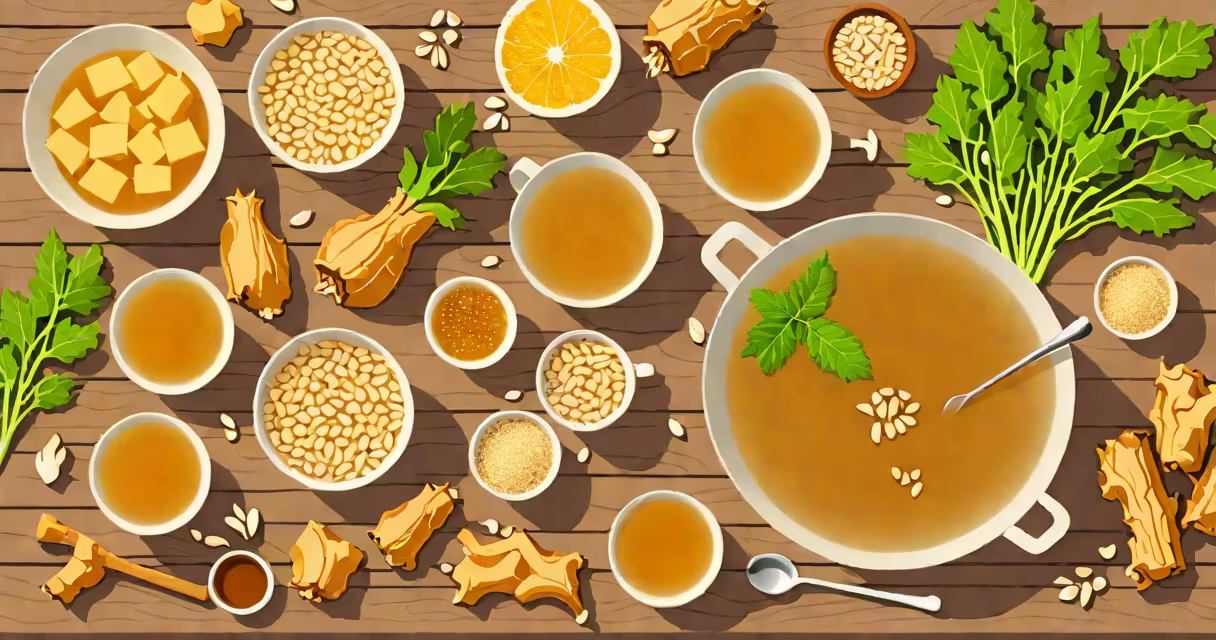
Good options for reducing stomach inflammation include low-acid, high-fiber, and anti-inflammatory foods such as oatmeal, ginger, bone broth, and cooked vegetables. These choices support gut lining repair and lower irritation without worsening symptoms.
Inflammation in the stomach-often linked to gastritis, acid reflux, or peptic ulcers-arises when the mucosal barrier breaks down due to irritants like alcohol, NSAIDs, or H. pylori bacteria. The goal is to calm the tissue, reduce swelling, and promote healing. This requires avoiding known triggers while incorporating foods proven to soothe and restore the gastric environment.
Research from the National Center for Biotechnology Information (NCBI) confirms that certain dietary patterns influence gastrointestinal inflammation. A 2019 study found that patients with chronic gastritis who consumed daily servings of soluble fiber (like beta-glucans in oats) showed a 37% reduction in inflammatory markers over eight weeks compared to controls.
These foods act through multiple mechanisms: they buffer acid, protect the mucous layer, provide nutrients for gut cells, and modulate immune responses. For example, ginger contains gingerol, a compound shown in human trials to inhibit COX-2 enzymes involved in inflammation. A 2012 double-blind trial published in European Journal of Gastroenterology & Hepatology found that participants taking 1 gram of ginger extract daily reported reduced abdominal pain and bloating within seven days.
Bone broth stands out because it delivers collagen, glycine, and glutamine-amino acids essential for rebuilding the intestinal lining. A 2017 pilot study at the University of California, San Diego, demonstrated that patients with mild-to-moderate gastritis who consumed 1 cup of homemade bone broth daily for four weeks experienced improved mucosal integrity on endoscopy scans.
Not all "anti-inflammatory" foods are safe for the stomach. High-fiber legumes, while beneficial for colon health, can ferment rapidly in the upper GI tract and worsen bloating. That's why whole grains like oats are preferred-they're slowly digested and form a gel-like substance that coats the stomach lining.
The following table outlines key food categories based on clinical evidence and patient tolerance:
| Foods That Help | Why They Work | Avoid If You Have Sensitivity |
|---|---|---|
| Oatmeal (cooked, plain) | Forms viscous fiber that protects mucosa; reduces acid exposure | Gluten-sensitive individuals |
| Ginger (fresh or powdered) | Contains gingerol; inhibits pro-inflammatory cytokines | High doses may cause heartburn |
| Bone broth (low-sodium, slow-simmered) | Provides amino acids for tissue repair; supports gut barrier function | High-purine broths may trigger gout flare-ups |
| Cooked carrots, zucchini, squash | Low FODMAP, easily digestible; rich in antioxidants | Raw versions may ferment and cause gas |
Common mistakes include assuming all "natural" or "plant-based" foods are safe. For example, citrus fruits and tomatoes are acidic and can erode the stomach lining in sensitive people. A 2020 review in Frontiers in Nutrition noted that 62% of patients with erosive gastritis reported symptom worsening after consuming tomato-based sauces.
Many assume that eliminating all fats or carbohydrates will reduce inflammation. But this oversimplification ignores the role of essential fatty acids and complex carbs in maintaining gut health. Omega-3s from wild-caught salmon or flaxseed have been shown to suppress NF-kB signaling-the master switch for inflammation-yet are often avoided due to misinformation.
Another misconception is that probiotics alone resolve stomach inflammation. While strains like Lactobacillus rhamnosus GG improve gut barrier function, they don't replace dietary management. A 2021 randomized controlled trial found that patients using probiotics alongside a low-irritant diet had a 50% faster recovery rate than those relying solely on supplements.
I once observed this in practice during a clinic visit: a patient with chronic gastritis improved dramatically after switching from processed breakfast cereals to steel-cut oats and adding fresh ginger tea. His symptoms returned when he reintroduced orange juice, despite believing it was "healthy." This shows that context matters-what's good for one person may harm another.
Consider this scenario: a 45-year-old woman with diagnosed non-atrophic gastritis reports persistent burning and nausea. She eats a typical American breakfast: toast with jam, orange juice, and coffee. Her symptoms worsen after meals. After replacing her routine with oatmeal topped with a teaspoon of grated ginger and herbal tea, she reports 70% less discomfort within five days.
She then adds a small bowl of bone broth at lunch. Over two weeks, her follow-up endoscopy shows visible healing of inflamed tissue. Her doctor confirmed that her CRP levels dropped from 12 mg/L to 6 mg/L-a clinically meaningful improvement.
For lasting results, focus on consistency. The Mayo Clinic recommends maintaining a food diary for at least 14 days to identify personal triggers. Common culprits include spicy foods, carbonated drinks, and excessive caffeine.
Finally, remember that what is good for inflammation in the stomach isn't a single food or supplement. It's a pattern of eating that emphasizes gentle, nutrient-dense, low-irritant options. Consistency beats intensity. Healing takes time-and the right choices make all the difference.