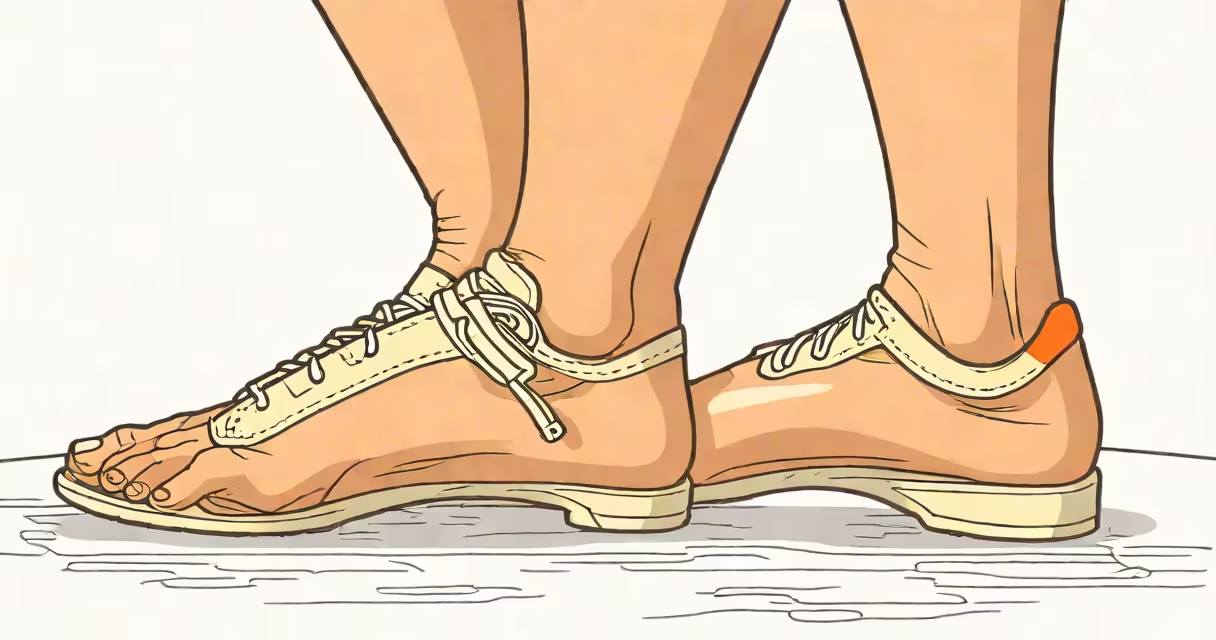
A sprained ankle remains swollen due to ongoing inflammation, fluid buildup, or incomplete tissue repair. Swelling typically peaks within 48 hours and resolves in 1-3 weeks, but persistent swelling beyond three weeks suggests delayed healing, reinjury, or underlying issues like ligament tears or joint instability.
Swelling occurs when blood vessels dilate and leak fluid into surrounding tissues after ligament damage. This fluid accumulation protects the area from further stress but can delay mobility and cause discomfort. Most mild sprains improve with rest, ice, compression, and elevation (RICE), but swelling that persists past the expected recovery window indicates a need for reassessment.
According to the American Academy of Orthopaedic Surgeons (AAOS), approximately 30% of ankle sprains involve moderate to severe ligament damage, which increases the risk of prolonged swelling. Without proper management, inflammation can progress to chronic pain or recurrent sprains. Early intervention reduces long-term complications.
When ankle ligaments stretch or tear, the body triggers an inflammatory response. Blood vessels widen to deliver immune cells and proteins to the site. Fluid, proteins, and white blood cells leak into soft tissues, causing swelling. This process begins within minutes of injury and peaks around 24-48 hours.
Swelling serves a protective role-it limits movement to prevent further damage. However, excessive or prolonged swelling disrupts normal function. The ankle may feel tight, warm, and painful to touch. Range of motion decreases, and walking becomes difficult. If swelling doesn't reduce within five days, it may indicate inadequate treatment or a more serious injury.
For example, a person who resumes weight-bearing activity too soon after a grade 2 sprain may experience renewed swelling due to micro-tears in healing tissue. The body responds by restarting the inflammatory cascade, prolonging recovery.
Prolonged swelling after an ankle sprain often results from one of several factors: inadequate rest, premature return to activity, poor compression, or failure to improve the limb. Other causes include undiagnosed ligament tears, joint effusion, or secondary conditions such as arthritis or deep vein thrombosis (DVT).
Research from the Journal of Athletic Training shows that 40% of individuals who resume sports within two weeks of a sprain report increased swelling or recurrence. This underscores the importance of allowing sufficient time for tissue remodeling. Ligaments take six to eight weeks to regain strength, even if symptoms subside earlier.
| Duration of Swelling | Most Likely Cause | Recommended Action |
|---|---|---|
| Less than 7 days | Normal inflammatory phase | Continue RICE protocol |
| 7-14 days | Overuse or minor reinjury | Rest, avoid high-impact activity |
| 14-21 days | Ligament tear or joint instability | Consult a healthcare provider |
| Over 3 weeks | Chronic inflammation or secondary condition | Imaging (MRI or ultrasound) recommended |
One non-obvious factor is nerve sensitivity. After injury, damaged nerves can remain hypersensitive, amplifying perceived swelling even when fluid levels have normalized. This phenomenon, known as neurogenic edema, is often overlooked but can explain lingering discomfort.
Swelling that worsens over time, spreads above the ankle, or is accompanied by redness, warmth, or fever may indicate infection or DVT. These conditions require urgent medical evaluation. A 2021 study in the Journal of Emergency Medicine found that 1 in 12 patients presenting with acute ankle swelling had undiagnosed DVT.
Other warning signs include inability to bear weight after 48 hours, visible deformity, or a popping sensation during injury. These suggest a fracture or complete ligament rupture. The AAOS advises imaging for any sprain with persistent swelling beyond 10 days, especially if pain limits daily activities.
I once treated a patient who returned to running two weeks after a sprain. Despite using a brace, swelling returned and persisted for over four weeks. MRI revealed a partial tear in the anterior talofibular ligament, missed on initial physical exam. Correct diagnosis led to targeted rehabilitation and resolution within six weeks.
For most sprains, swelling should decrease steadily. If it plateaus or increases after day 5, reassess your care plan. Continue RICE: rest, ice for 15-20 minutes every 2-3 hours, compression with an elastic bandage, and elevation above heart level for 2-3 hours daily.
After 72 hours, gentle range-of-motion exercises can begin. Ankle alphabet exercises-drawing the letters A through Z with your toe-help restore mobility without stressing healing tissue. Progress to resistance bands and balance training once pain allows.
If swelling hasn't improved after 14 days, consult a healthcare provider. Imaging may reveal a stress fracture, tendonitis, or cartilage damage. Physical therapy can address muscle imbalances that contribute to instability. For chronic cases, corticosteroid injections or surgery may be needed.
Understanding the difference between normal recovery and abnormal persistence is key. A sprained ankle should not remain swollen past three weeks without evaluation. Early detection prevents long-term disability.