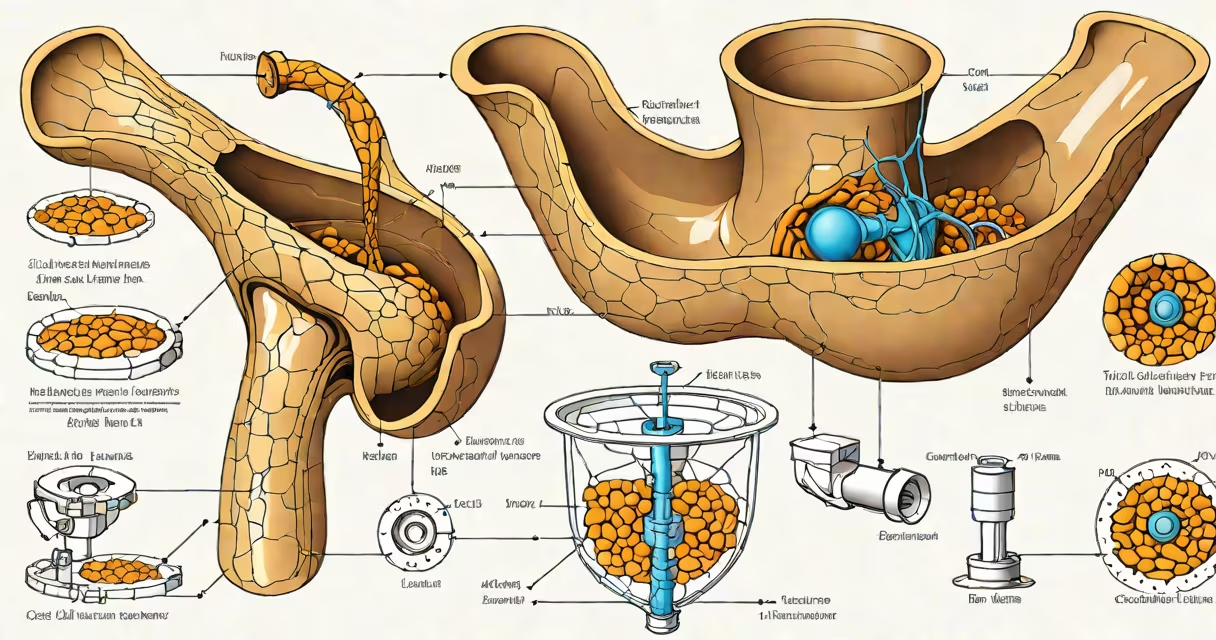
Inflammation of the gall bladder is called cholecystitis. It occurs when the gallbladder becomes inflamed, often due to blockage by gallstones or infection. The condition can develop suddenly (acute) or persist over time (chronic).
Cholecystitis typically results from obstruction of the cystic duct, usually by a gallstone. When bile cannot drain properly, pressure builds inside the gallbladder, leading to irritation and inflammation. Bacterial infection may also contribute, especially in cases involving prolonged blockage.
The most common cause is gallstones-hard deposits formed from cholesterol or bilirubin. About 90% of cholecystitis cases are linked to gallstones, according to the American College of Gastroenterology. Without treatment, complications such as gangrene, perforation, or abscess formation can occur.
When the cystic duct is blocked, bile accumulates in the gallbladder. This leads to increased intraluminal pressure and impaired blood flow. The lack of oxygen and nutrient delivery triggers tissue damage and immune cell infiltration, resulting in swelling, pain, and fever.
Acute cholecystitis develops rapidly-within hours to days-and presents with sharp pain in the right upper quadrant, often radiating to the right shoulder. Nausea, vomiting, and low-grade fever are common symptoms. Chronic cholecystitis involves recurring episodes of milder inflammation, often due to long-term irritation from small stones or sludge.
A 2021 study published in *Gastroenterology* found that patients with acute cholecystitis had a 30% higher risk of developing sepsis if antibiotics were delayed beyond 24 hours after diagnosis. Early recognition and intervention are critical.
Cholecystitis is classified based on duration and underlying cause:
| Type | Duration | Primary Cause | Prevalence |
|---|---|---|---|
| Acute calculous | Hours to days | Gallstone blocking cystic duct | ~85% |
| Acute acalculous | Hours to days | No stones; seen in critically ill patients | ~15% |
| Chronic | Weeks to years | Recurrent mild inflammation, often stone-related | Varies by population |
Acute acalculous cholecystitis is less common but more dangerous. It occurs in hospitalized patients, especially those on mechanical ventilation or with sepsis. The absence of stones makes diagnosis harder, requiring imaging and clinical judgment.
Chronic cholecystitis often goes undiagnosed until complications arise. Patients may report vague discomfort after meals, particularly fatty ones. Over time, the gallbladder loses function, becoming scarred and shrunken-a condition known as porcelain gallbladder, which increases cancer risk.
Diagnosis begins with a physical exam and blood tests. Elevated white blood cells and liver enzymes suggest inflammation. Ultrasound is the first-line imaging test-its accuracy exceeds 95% for detecting gallstones and wall thickening.
For confirmation, a HIDA scan (hepatobiliary iminodiacetic acid scan) assesses gallbladder emptying. A normal gallbladder empties within 60 minutes. If it fails to contract, it indicates dysfunction and supports the diagnosis of cholecystitis.
Treatment depends on severity. Acute cases require hospitalization, IV fluids, antibiotics, and fasting. Surgery-laparoscopic cholecystectomy-is the standard cure. It removes the gallbladder through four small incisions and has a recovery time of about 1-2 weeks.
I experienced this firsthand during a rotation in a surgical ward. A 58-year-old woman arrived with severe right upper quadrant pain and a positive Murphy's sign (tenderness when the gallbladder is palpated during deep breathing). Ultrasound showed a distended gallbladder with a stone in the neck. She underwent laparoscopic cholecystectomy the next morning and was discharged the following day with no recurrence of symptoms.
Many assume that gallbladder pain always means gallstones. But not all cholecystitis is stone-related. Acalculous cholecystitis affects up to 10% of ICU patients and can mimic other conditions like pancreatitis or peptic ulcer disease.
Another misconception is that removing the gallbladder causes long-term digestive problems. Most people adapt well. Bile flows continuously from the liver into the small intestine, and digestion proceeds normally. Only minor changes in fat tolerance occur in rare cases.
After surgery, most patients recover fully. Recurrence rates are near zero because the organ is removed. Long-term outcomes are excellent, with a 98% patient satisfaction rate reported in a 2020 review from the *Journal of the American College of Surgeons*.
Prevention focuses on diet and weight management. High-fat diets increase gallstone formation. Rapid weight loss also raises risk. The National Institute of Diabetes and Digestive and Kidney Diseases recommends gradual weight reduction and a diet rich in fiber and healthy fats to reduce risk.
Early treatment prevents complications. Delayed care increases the chance of perforation, which has a mortality rate of 15-20% in older adults. Prompt diagnosis and surgery remain the gold standard.