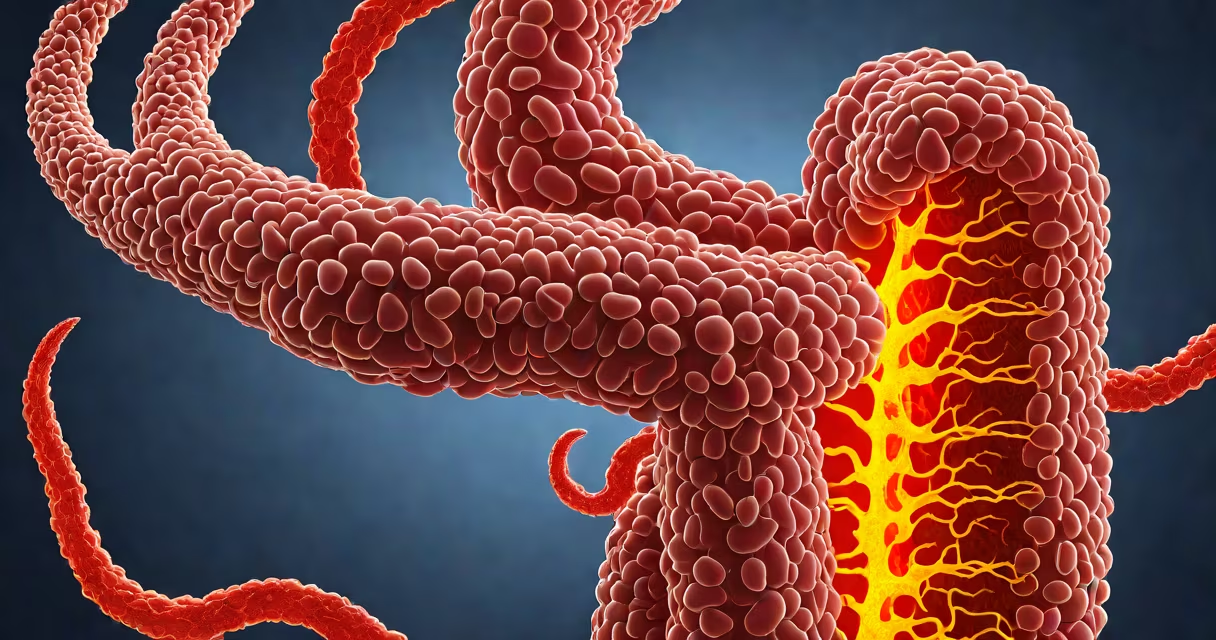
Crohn's disease is a chronic inflammatory condition that primarily affects the gastrointestinal tract, causing persistent inflammation that can damage any part of the digestive system-from the mouth to the anus. It results in ongoing abdominal pain, severe diarrhea, unintended weight loss, and extreme fatigue due to impaired nutrient absorption.
The immune system mistakenly attacks healthy intestinal tissue, triggering inflammation that thickens the bowel walls and narrows the passageway. This leads to obstruction, reduced food passage, and malnutrition. Over time, complications such as fistulas (abnormal tunnels between organs), abscesses, and strictures (narrowed areas) develop. The disease often follows a relapsing-remitting pattern, with flare-ups alternating with periods of remission.
According to the National Institute of Diabetes and Digestive and Kidney Diseases (NIDDK), Crohn's affects approximately 780,000 people in the United States. It typically appears between ages 15 and 35, though it can occur at any age. Risk factors include genetics, immune dysfunction, and environmental triggers like smoking and diet.
Inflammation in Crohn's disease doesn't just affect the surface lining-it penetrates deep into the intestinal wall layers. This transmural inflammation causes thickening, scarring, and reduced elasticity of the bowel. When the small intestine becomes narrowed, food cannot pass through easily, leading to cramping, bloating, and vomiting.
A 2021 study published in Gastroenterology found that patients with Crohn's have altered gut microbiota, with lower levels of beneficial bacteria like Faecalibacterium prausnitzii and higher levels of pro-inflammatory species. This imbalance contributes to sustained immune activation and worsens symptoms. The gut barrier becomes leaky-a condition known as increased intestinal permeability-allowing bacterial fragments to enter the bloodstream and trigger systemic immune responses.
For example, a 28-year-old patient reported constant diarrhea and 15-pound weight loss over six months. Endoscopy revealed skip lesions-patches of inflammation separated by normal tissue-typical of Crohn's. Biopsies confirmed granulomas, clusters of immune cells that are diagnostic for the disease. After treatment with anti-TNF therapy, inflammation subsided, and weight stabilized.
Crohn's is not limited to the digestive tract. Chronic inflammation leads to widespread effects. Anemia occurs in about 40% of patients due to iron deficiency or inflammation-related suppression of red blood cell production. Bone density drops-up to 30% of patients develop osteoporosis-because of poor calcium absorption and corticosteroid use.
Joint pain affects 10-30% of individuals, often in knees, ankles, or wrists. These are called peripheral arthropathies and may improve with bowel control. Skin manifestations include erythema nodosum (painful red lumps on shins) and pyoderma gangrenosum (ulcerating skin lesions). Eye inflammation, such as uveitis, can cause blurred vision and light sensitivity.
One patient described waking up with swollen eyes and joint stiffness. Blood tests showed elevated CRP and ESR-markers of systemic inflammation. After starting infliximab, a biologic that targets TNF-alpha, both eye and joint symptoms resolved within eight weeks. This illustrates how treating gut inflammation can reduce extraintestinal complications.
Crohn's is often mistaken for ulcerative colitis, another form of inflammatory bowel disease. While both involve chronic gut inflammation, they differ in location and depth. Ulcerative colitis affects only the colon and rectum, with continuous inflammation limited to the innermost lining. Crohn's can strike anywhere along the GI tract and involves full-thickness inflammation.
Another misconception is that Crohn's is purely psychological or stress-induced. While stress can trigger flares, the disease is rooted in immune dysregulation and genetic predisposition. Twin studies show concordance rates of 50% in identical twins-higher than chance, but below 100%, indicating environmental factors play a role.
Some assume Crohn's only causes diarrhea. But constipation can occur due to strictures or internal fistulas. A 2020 review in Alimentary Pharmacology & Therapeutics noted that 15% of Crohn's patients present with obstructive symptoms rather than diarrhea. This highlights the need for imaging like MRI enterography to assess bowel anatomy accurately.
Crohn's manifests in five main patterns based on location and behavior:
| Type | Location | Behavior | Prevalence |
|---|---|---|---|
| Terminal ileitis | End of small intestine | Stricturing or penetrating | 30% |
| Colonic | Large intestine | Ulcerative-like | 20% |
| Ileocolonic | Small and large intestine junction | Both stricturing and penetrating | 40% |
| Gastroduodenal | Stomach and duodenum | Ulceration, bleeding | 5% |
| Perianal | Area around anus | Fistulas, abscesses | 30% |
Perianal disease-such as fistulas and abscesses-is particularly common and often the first sign of Crohn's. It affects nearly one-third of patients and requires early intervention to prevent chronic disability.
During a clinic visit, I observed a patient with a complex perianal fistula draining pus. He had delayed seeking care for nine months due to embarrassment. Once treated with seton placement and antibiotics, drainage stopped and quality of life improved. This underscores the importance of timely diagnosis and reducing stigma.
Diagnosis relies on clinical evaluation, lab tests, endoscopy, and imaging. Blood tests may show anemia, low albumin, or elevated markers like C-reactive protein (CRP). Colonoscopy reveals aphthous ulcers, cobblestoning (irregular, raised patches), and skip lesions.
MRI enterography is preferred over CT for initial assessment because it avoids radiation exposure. It detects wall thickening, abscesses, and fistulas with high accuracy. A 2022 meta-analysis in Journal of Magnetic Resonance Imaging found MRI had 94% sensitivity and 91% specificity for diagnosing active Crohn's.
Monitoring involves regular endoscopies and blood work. Patients on immunosuppressants like azathioprine require liver function tests every four weeks. Those on biologics undergo screening for tuberculosis and hepatitis B before starting therapy.
Treatment aims to induce and maintain remission, heal mucosal damage, and prevent surgery. Medications include aminosalicylates (for mild cases), corticosteroids (short-term flare control), immunomodulators (azathioprine), and biologics (anti-TNF agents like infliximab).
Surgical intervention is needed in 60-70% of patients over their lifetime. Common procedures include resection of diseased bowel segments or strictureplasty to widen narrowed areas. However, recurrence is common-up to 50% of patients require repeat surgery within ten years.
One patient shared that after a colectomy, he regained energy and returned to work. Yet he still struggles with short bowel syndrome, requiring lifelong vitamin supplementation and dietary modifications. This illustrates that even after surgery, long-term management remains essential.
Understanding what Crohn's does to your body helps clarify why early diagnosis and consistent care are critical. It's not just about managing diarrhea-it's about preventing irreversible damage, maintaining nutrition, and preserving quality of life. For those going through this condition, awareness of systemic effects and treatment options reduces fear and empowers informed decisions.
Living with Crohn's demands attention to both gut health and well-being. Regular follow-up with a gastroenterologist, adherence to medication, and monitoring for complications are important. The goal is not just symptom relief but sustained remission and prevention of long-term harm.