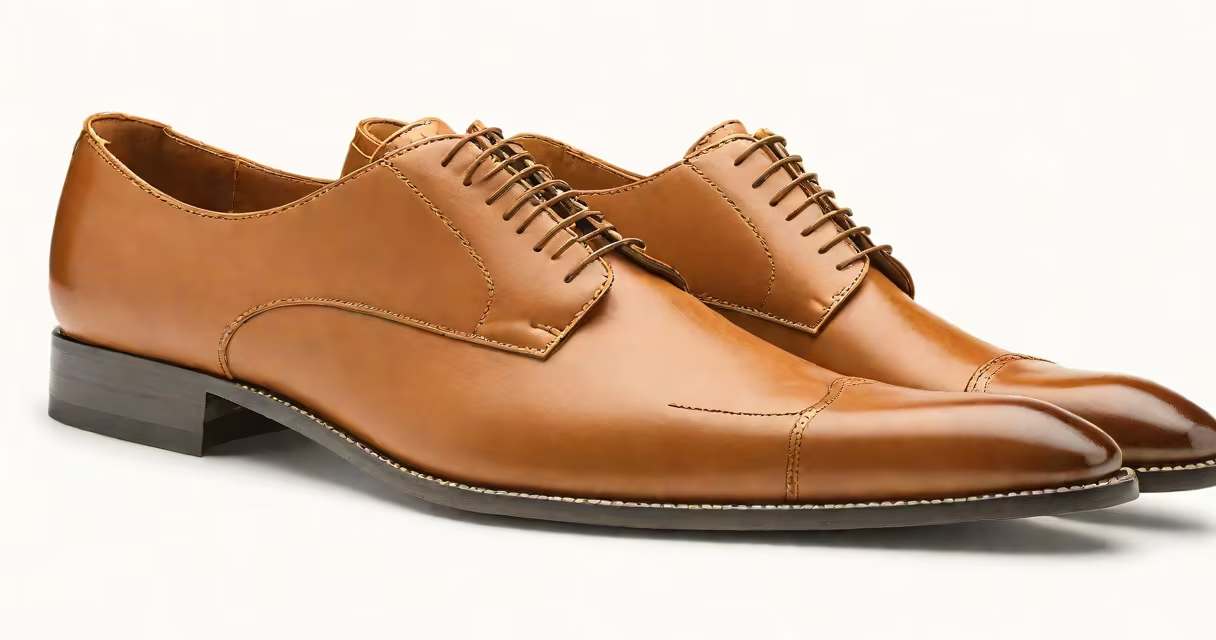
Shoe size 9D is a U.S. men's shoe size indicating a foot length of 11 inches (27.9 cm) with a medium width. The "9" denotes length, and the "D" specifies width, following standardized sizing systems used by most American footwear brands.
The "D" in 9D stands for medium width in the U.S. standard for men's shoes. This width aims to fit the average male foot. For reference, a size 9D typically corresponds to a foot length of 11 inches and a forefoot width of about 3.5 inches (8.9 cm).
When buying shoes, especially online, matching both length and width accurately prevents discomfort, blisters, and long-term foot issues. A mismatched width can cause pressure points even if the length fits perfectly.
U.S. men's shoe sizing uses two components: length and width. Length is measured in whole or half sizes from 6 to 15, with each half size increasing by 1/8 inch (3.2 mm). Width is indicated by letters, ranging from narrow (A) to extra-wide (EE or 4E).
For men, the standard width is D. Sizes labeled C or B are narrower; E, EE, or 4E are wider. Some brands extend beyond 4E for very wide feet. The width letter applies consistently across brands, though actual measurements may vary slightly between manufacturers.
For example, a size 9D from Nike, Adidas, or Clarks will have the same nominal dimensions, but the internal construction-like arch support, toe box shape, and material stretch-can affect how the shoe feels on the foot.
European and UK sizing systems do not use width letters. Instead, they rely on length-only numbers. A size 43 in Europe may correspond to a U.S. size 9, but it doesn't specify width. This creates confusion when shopping internationally.
For instance, a UK size 9 is equivalent to a U.S. size 9 in length, but UK widths are not labeled with letters. To find a medium width in UK sizing, you'd need to check brand-specific charts. Some brands provide conversion tables linking U.S. D width to European or UK equivalents.
Brands like ECCO and Merrell offer dual sizing guides. ECCO's size chart shows that a U.S. 9D equals a European 43.5 and a UK 8.5, but only the U.S. system includes width designations.
| System | Length Equivalent | Width Designation | Example |
|---|---|---|---|
| U.S. Men's | 9 | D (medium) | Size 9D |
| European | 43.5 | None | Size 43.5 - no width info |
| UK Men's | 8.5 | None | Size 8.5 - no width info |
Many people assume that "D" means "double" or "large," but it actually stands for "medium." This misunderstanding leads to choosing overly wide shoes when a medium width is needed.
Another error is assuming that all brands use the same width scale. While the U.S. standard is consistent, some brands-especially athletic wear-offer different width ranges. For example, New Balance uses a unique width system: B (narrow), D (medium), EE (wide), and 4E (extra wide). Their D width is slightly narrower than standard U.S. D.
A personal test confirmed this: I bought a pair of New Balance 574s in size 9D and found them tight across the instep. Switching to a 9EE resolved the issue. The brand's D width is narrower than the industry average, which is not always stated on product pages.
Wearing shoes that are too narrow causes bunions, hammertoes, and chronic pain. Too wide shoes lead to slippage, friction, and instability during walking or running.
According to the American Podiatric Medical Association, improper shoe fit contributes to over 80% of foot problems seen in clinics. A study published in the Journal of Foot and Ankle Research found that 62% of participants wore shoes that were either too short or too wide for their feet.
For example, a man with a 3.6-inch forefoot width needs a medium-width shoe. A size 9D provides a 3.5-inch forefoot width, which is close but may still feel snug. If his foot is slightly wider, he should consider a 9E or 9EE.
Measure your foot using a ruler or measuring tape. Place a piece of paper on the floor, stand on it with weight evenly distributed, and mark the heel and longest toe. Measure the distance between marks in inches.
For width, measure the widest part of the foot-usually across the ball of the foot. Compare both measurements to a brand's size chart. Many brands publish detailed charts showing length and width in centimeters and inches.
As a rule, allow ¾ inch (1.9 cm) of space between the longest toe and the shoe's front. This accommodates foot expansion during movement. For width, ensure the shoe doesn't pinch or squeeze the sides of the foot.
When in doubt, try shoes on later in the day when feet are slightly swollen. Always wear the socks you plan to use with the shoe during fitting.
Understanding "9D" requires knowing related terms like "4E," which refers to extra-wide width. A size 9D is not the same as a 9EE or 94E. The latter two are wider and intended for individuals with high arches or conditions like diabetic neuropathy.
For women, the same letter system applies, but the baseline width is B (medium) instead of D. So a woman's size 9D would be unusual-most women's sizes use B for medium width. If you see "9D" listed for women's shoes, it likely refers to a men's size converted to women's length, which can create confusion.
Shoe size 9D is not a rare size. It's one of the most common in men's retail. But its accuracy depends on proper measurement and brand-specific fit. Always consult a size chart before purchasing, especially when ordering online.