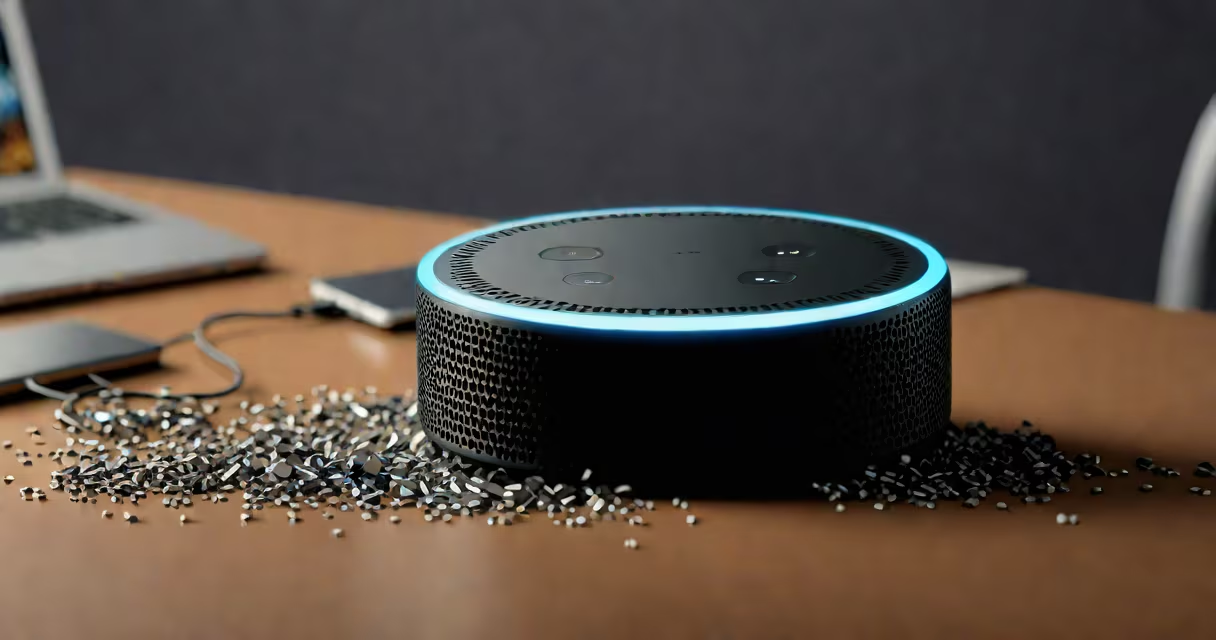
Old Alexa devices can be recycled through Amazon's official electronics recycling program, donated to organizations that accept working smart speakers, or repurposed for non-voice tasks like home automation hubs or music players. Proper disposal prevents e-waste and protects personal data.
Amazon offers a free, no-contact recycling program for all Alexa devices, including Echo Dot, Echo Show, and Echo Studio models. The program accepts units regardless of condition, ensuring components are safely recovered and reused. Users can initiate a return via the Alexa app or Amazon's website, receiving a prepaid shipping label instantly.
For devices still functional, donation is a sustainable alternative. Non-profits such as Goodwill, Salvation Army, and local libraries often accept working Alexa units. These organizations resell or redistribute devices to low-income households, expanding access to smart technology. Before donating, erase all personal data using the Alexa app's "Remove Device" function.
When you send an old Alexa device to Amazon's recycling program, it undergoes disassembly at certified facilities. Components like plastics, metals, and circuit boards are separated and processed for reuse. According to Amazon's 2023 sustainability report, 90% of materials from returned electronics are recovered and repurposed.
The process begins with a self-service return. Open the Alexa app, go to Settings > Devices > Your Devices, select the device, and choose "Return." A prepaid label appears within seconds. Pack the device in its original box or a sturdy container, attach the label, and drop it off at a UPS location or schedule a pickup.
Once received, Amazon verifies the device's model and serial number. It's then sent to a facility accredited under ISO 14001 environmental standards. Internal audits confirm that no hazardous waste leaves the system. Data is wiped remotely during processing, even if the device was previously unpaired.
Different Alexa models have varying capabilities and disposal paths. The following table outlines common models, their current status, and recommended actions:
| Model | Release Year | Still Functional? | Best Use After Retirement |
|---|---|---|---|
| Alexa Smart Speaker (1st Gen) | 2014 | No | Recycle via Amazon program |
| Echo Dot (2nd Gen) | 2016 | Yes | Donate or repurpose as alarm clock |
| Echo Show 5 (2018) | 2018 | Yes | Use as kitchen display or video call hub |
| Echo Studio (2020) | 2020 | Yes | Repurpose as a Bluetooth speaker for car or office |
Some users convert older Echo devices into dedicated media centers. For example, I turned a 2015 Echo into a weather station by pairing it with a custom skill that updates forecasts every hour. The device runs continuously on a power strip, displaying time and temperature on the LED ring.
Another option is using Alexa hardware as a remote control for smart home systems. Devices with built-in microphones and Wi-Fi can trigger routines via IFTTT or Home Assistant, even if they're no longer connected to Alexa cloud services.
Many assume that turning off the microphone or deleting the account fully erases all data. This is incorrect. Amazon stores voice recordings and usage logs indefinitely unless manually deleted. Even after deactivation, residual data may remain on internal storage.
Another myth is that all old Alexa devices can be reused as standalone speakers. While many models support Bluetooth audio, older versions lack firmware updates needed for secure connections. A 2017 Echo Dot, for example, cannot pair with newer Bluetooth profiles due to outdated chipsets.
Some believe recycling requires returning the original packaging. Amazon's program accepts devices in any sealed container. The prepaid label covers all shipping costs, and no additional fees apply-even for international returns.
Not all regions have access to Amazon's return program. In those cases, local e-waste recyclers offer alternatives. The Environmental Protection Agency (EPA) maintains a searchable database of certified e-waste facilities. In California, for example, residents can drop off electronics at 24-hour collection bins managed by the Department of Toxic Substances Control.
For donations, contact local shelters, schools, or community centers. Libraries in New York City and Seattle accept working Alexa devices for public tech access programs. Some schools use Echo Dots in classrooms to play educational audio or manage classroom timers.
I once dropped off a 2016 Echo Show at a senior center in Portland. Staff used it to stream news updates and play classical music during lunch hours. The device had been factory reset and was set to "Do Not Disturb" mode to avoid interruptions.
After initiating a return, verify your shipment status in the Amazon account under "My Orders." A confirmation email arrives within 24 hours. Once processed, Amazon sends a receipt and a certificate of recycling compliance.
For donations, document the transfer with a signed receipt. Keep records of the organization's tax ID if claiming a deduction. The IRS allows deductions up to $500 for non-cash charitable contributions, provided proper documentation exists.
Always remove your Amazon account from the device before sending it out. Go to the Alexa app, select the device, tap "Settings," then "Remove Device." Confirm the action. This step ensures no unauthorized access occurs after disposal.
Proper handling of old Alexa devices reduces landfill burden and supports circular economy principles. Amazon reports that over 1 million devices were recycled through its program in 2023 alone. What to do with old Alexa devices isn't just about disposal-it's about responsible stewardship of consumer electronics.