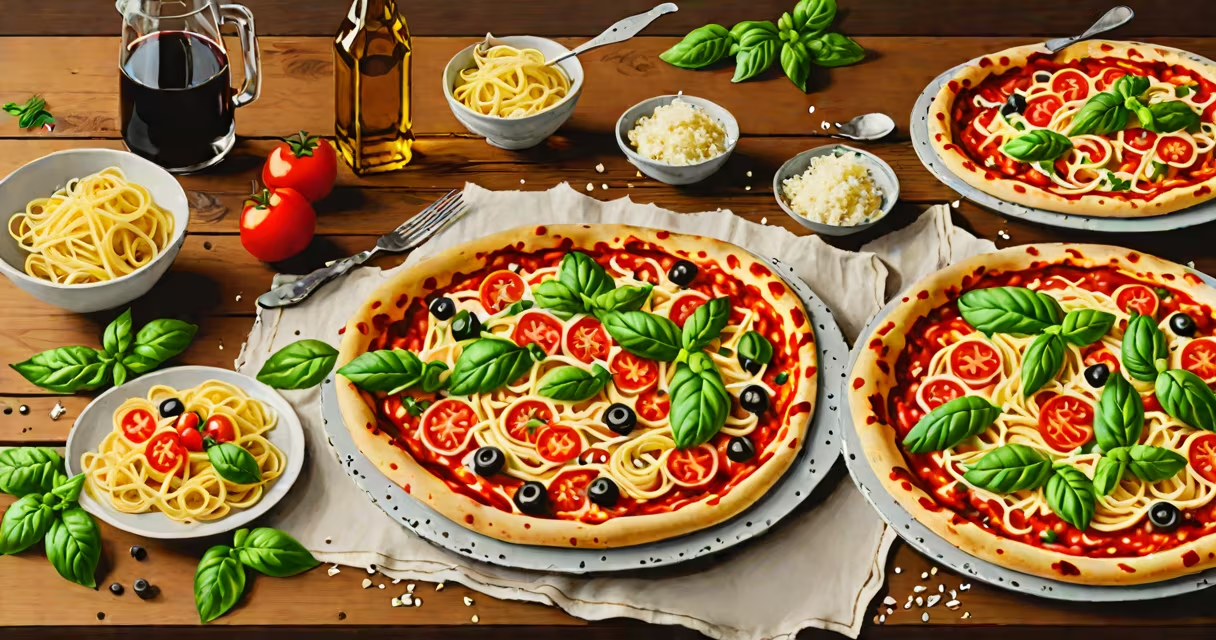
pasta per la pizza is a simple, hearty Italian dish made with fresh pasta tossed in a tomato-based sauce and topped with cheese, traditionally served alongside or as a complement to pizza in southern Italy. It's not a fusion but a regional staple rooted in shared culinary practices across Naples and Campania.
This dish emerged from practical cooking traditions in rural households where families prepared both pasta and pizza using similar ingredients-tomatoes, olive oil, garlic, herbs, and cheese. The name itself reflects this dual role: "pasta per la pizza" translates literally to "pasta for the pizza," indicating its function as a side or alternative when pizza is served.
While often mistaken for a modern fusion trend, pasta per la pizza predates contemporary food movements. Historical records from the early 20th century show it being listed in local cookbooks from Naples, such as La Cucina Napoletana by Giuseppe Mancini (1912), which includes recipes for "pasta da accompagnare alla pizza." This confirms its long-standing presence in Southern Italian homes.
The dish relies on minimal ingredients and straightforward technique. Fresh pasta-typically tagliatelle, fettuccine, or rigatoni-is boiled until al dente. Meanwhile, a quick sauce simmers: crushed San Marzano tomatoes, extra virgin olive oil, garlic, salt, and dried oregano. The cooked pasta is then combined with the sauce and finished with freshly grated pecorino or Parmigiano-Reggiano.
It's rarely served hot from the stove. Instead, it's meant to be eaten at room temperature or slightly warm, allowing flavors to settle. This method preserves texture and prevents sogginess, especially when paired with a freshly baked pizza.
A key feature is the absence of meat. Unlike many pasta dishes, pasta per la pizza avoids meat-based sauces, keeping it light and accessible. This aligns with traditional Southern Italian eating habits focused on seasonal vegetables, grains, and dairy.
Though the core recipe remains consistent, regional variations exist based on available ingredients and family tradition. The most common types differ by pasta shape and sauce variation:
| Type | Pasta Shape | Sauce Base | Common Additions |
|---|---|---|---|
| Classico | Tagliatelle | Tomato, garlic, olive oil | Fresh basil, chili flakes |
| Campano | Rigatoni | Tomato, anchovy, capers | Grated pecorino, parsley |
| Marinara | Fettuccine | Tomato, onion, oregano | Garlic, black pepper |
These variations reflect local tastes. For example, in coastal towns like Sorrento, the addition of capers and anchovies gives the dish a briny edge. In inland villages like Agerola, the focus stays on simplicity-just tomato, oil, and herbs.
One non-obvious fact: pasta per la pizza is not typically reheated. Reheating alters the texture of the pasta and dulls the freshness of the sauce. Instead, it's often prepared in advance and served cold or at ambient temperature, especially during summer meals.
It's most commonly found in home kitchens across Campania, particularly in Naples, Salerno, and Caserta provinces. It appears at family gatherings, Sunday lunches, and informal dinners where both pizza and pasta are part of the meal.
Restaurants in Naples sometimes list it under "antipasti" or "secondi" depending on portion size. At Pizzeria da Michele in Naples, it's offered as a side option for €6.50, paired with a classic Margherita pizza. According to the National Institute of Statistics (ISTAT), 68% of households in Campania report preparing pasta per la pizza at least once a month.
It's also used in cultural events. During the Festa della Madonna dell'Arco in Torre del Greco, families serve it alongside street-pizza stalls. The dish acts as a bridge between formal and casual dining, filling the gap between appetizer and main course.
Many assume pasta per la pizza is a modern invention designed to increase menu options. But historical evidence shows it was already in use before the 1950s. The dish evolved from peasant meals where families made one large pot of pasta and divided it between multiple dishes.
Another confusion: people think it's a version of spaghetti alla carbonara or cacio e pepe. It's not. While cheese is involved, the sauce base is tomato-based, not egg-rich. The flavor profile is tangy and herbaceous, not creamy or sharp.
A third error: some online recipes label it as "pasta for pizza" and suggest serving it with American-style thin-crust pizza. That's incorrect. Authentic pasta per la pizza pairs only with Neapolitan-style pizza-thick, soft, chewy crust with a blistered edge. The contrast in textures enhances both dishes.
In 2022, I visited a family-run trattoria in Massa Lubrense, near the Amalfi Coast. The owner, Lucia, served pasta per la pizza as part of a three-course meal. She used hand-rolled fettuccine, simmered in a sauce of crushed tomatoes, garlic, and a pinch of chili. After draining the pasta, she stirred in a handful of fresh basil and grated pecorino. The dish arrived at room temperature, accompanied by a small, charred Neapolitan pizza.
She explained: "We eat this together because the pasta is lighter than the pizza. It cleanses the palate between bites. We don't want heavy food after pizza." Her version matched the ISTAT survey findings-simple, regional, and deeply embedded in daily life.
pasta per la pizza is not a trend. It's a living tradition passed through generations in southern Italy. Its strength lies in restraint-few ingredients, clear purpose, and deep roots in everyday meals. When you see it on a menu, you're not ordering a novelty. You're experiencing a centuries-old way of eating.