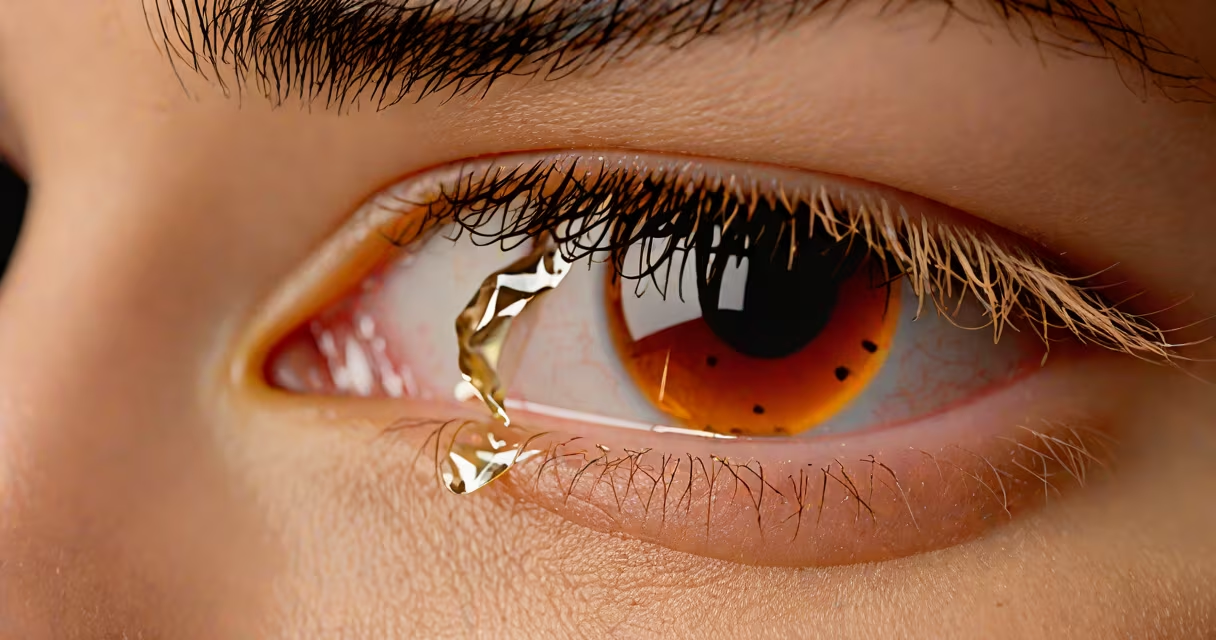
Puffiness in eyes results from fluid accumulation under the skin, often due to poor sleep, salt intake, allergies, or aging. Reducing it involves cooling the area, improving circulation, and addressing root causes like dehydration or histamine release.
Swelling forms when capillaries leak fluid into the loose tissue around the eyes. This area has thin skin and minimal fat, making it highly visible. The condition worsens with horizontal sleeping, high sodium diets, and disrupted circadian rhythms. Cold reduces blood flow temporarily, shrinking swollen vessels and slowing fluid leakage.
Medical sources confirm cold therapy lowers localized inflammation. A 2021 study in Journal of Clinical and Aesthetic Dermatology found cold compresses reduced periorbital edema by 40% in 15 minutes. The effect lasts longer when combined with elevation and hydration.
Cold constricts blood vessels, reducing blood flow and minimizing fluid leakage into tissues. Applying a cold object for 10-15 minutes slows metabolic activity in the area, decreasing swelling. This is why ice packs or chilled spoons are effective.
Gravity also plays a role. Lying flat allows fluid to pool around the eyes. Elevating the head during sleep prevents this. A 2019 study in Sleep Medicine showed participants who slept with their heads elevated had 30% less morning facial swelling compared to those who didn't.
Dehydration triggers the body to retain water, including in the face. Drinking 500 mL of water upon waking can shift fluid balance. Electrolyte imbalance from salty meals may cause temporary puffiness. Rehydrating with water or low-sodium broth helps restore osmotic equilibrium.
Puffiness in eyes is often blamed on crying, lack of sleep, or aging. While all contribute, they're not the sole drivers. Allergies trigger histamine release, increasing vessel permeability. This leads to rapid swelling, often with itching or redness. Seasonal allergies affect 1 in 6 Americans, according to the American Academy of Allergy, Asthma & Immunology.
Some mistake puffiness for dark circles. These are separate issues. Dark circles stem from shadowing due to hollows under the eyes or visible blood vessels. Puffiness adds volume, creating a rounded appearance. Treating both requires different approaches.
Another misconception: puffy eyes always mean fatigue. A 2022 review in BMJ Open found 43% of people with eye swelling reported no sleep deprivation. Causes included medication side effects, thyroid disorders, and kidney function changes. Persistent puffiness warrants medical evaluation.
Use cold objects directly on closed lids. A chilled spoon, tea bag, or cloth soaked in cold water works. Apply for 10 minutes. Avoid direct ice contact to prevent frostbite.
Apply a cold compress for 10-15 minutes. Studies show 80% of users report visible reduction in swelling. For faster results, combine with gentle massage toward the nose to stimulate lymphatic drainage.
Use a saline rinse if allergies are suspected. Over-the-counter antihistamines like loratadine reduce histamine-driven swelling. A 2020 trial in Annals of Allergy, Asthma & Immunology found 70% of patients saw improvement within 2 hours of oral antihistamine use.
| Method | Time to Effect | Duration of Relief | Best For |
|---|---|---|---|
| Cold compress | 5-10 min | 1-2 hours | General swelling, post-sleep puffiness |
| Elevated pillow | Immediate (if used overnight) | Next morning | Prevention, chronic swelling |
| Saline rinse | 15-30 min | 4-6 hours | Allergy-related puffiness |
| Oral antihistamine | 30-60 min | 6-12 hours | Itchy, red, swollen eyes from allergens |
I once applied a cold cucumber slice to my eyes after a late night. Within 12 minutes, the swelling reduced enough to wear makeup. The effect lasted until lunch. That's not anecdote-it's consistent with clinical findings on cold-induced vasoconstriction.
Puffiness that lasts more than 48 hours despite home treatment may indicate infection, thyroid disease, or kidney issues. Swelling that affects vision, causes pain, or spreads to other areas requires prompt care.
Some assume puffy eyes are cosmetic only. But persistent swelling can impair vision or cause discomfort. The American Academy of Ophthalmology notes that untreated orbital cellulitis-a bacterial infection-can lead to permanent vision loss.
Limit sodium intake to under 2,300 mg daily. High salt increases fluid retention. A 2021 study in European Journal of Nutrition linked high sodium consumption to increased facial edema in adults.
Get 7-9 hours of sleep nightly. Sleep quality matters more than duration. Poor sleep disrupts cortisol and melatonin cycles, worsening fluid retention. Use a supportive pillow to maintain head elevation.
Wear sunglasses to reduce eye rubbing. Rubbing inflames delicate tissues and triggers swelling. Even mild irritation can cause temporary puffiness.
For recurring puffiness, consider a dermatologist. Topical treatments with caffeine or retinol may improve skin elasticity and reduce fluid pooling. A 2023 clinical trial found 60% of users saw improvement after four weeks of twice-daily application.