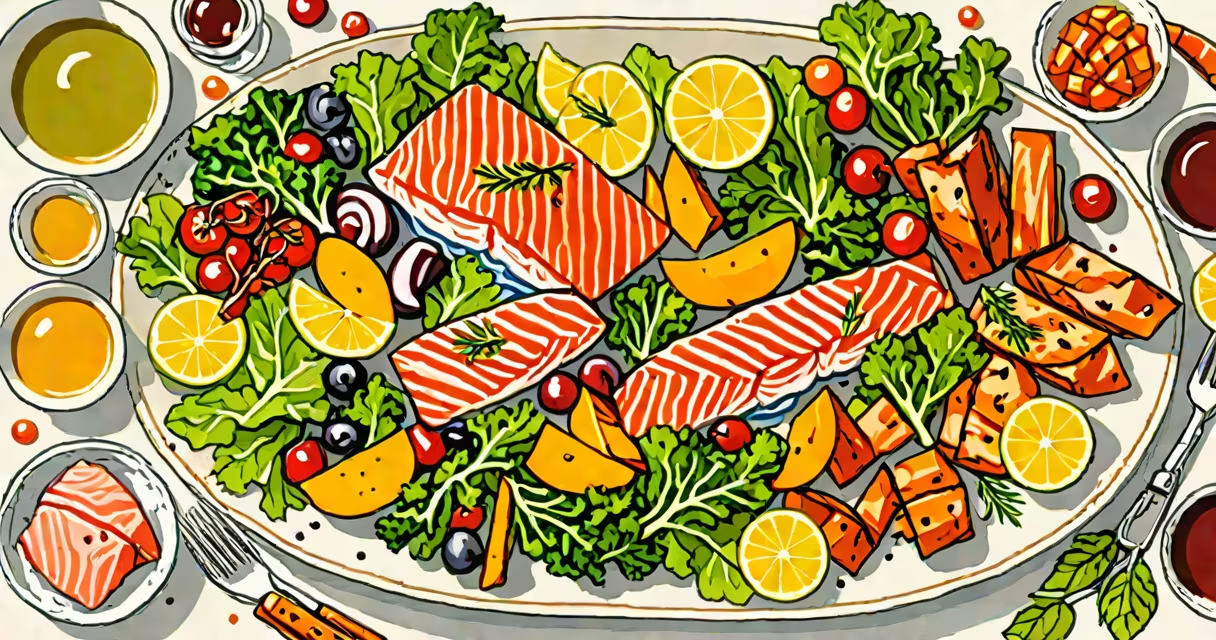
A proper diet for ulcerative colitis focuses on reducing intestinal inflammation, supporting gut healing, and minimizing symptom triggers during flares. It's not a one-size-fits-all plan but a personalized strategy based on individual tolerance, disease activity, and nutritional needs.
Ulcerative colitis (UC) is a chronic inflammatory bowel disease affecting the colon and rectum. While no single food causes UC, certain dietary patterns can worsen symptoms like diarrhea, abdominal pain, and fatigue. A well-managed diet doesn't cure UC, but it helps maintain remission, improves quality of life, and prevents nutrient deficiencies common in people with active disease.
The digestive tract lining becomes inflamed in UC, leading to increased permeability and altered immune responses. Certain foods may irritate the mucosa or alter gut microbiota, worsening inflammation. A proper diet aims to stabilize the gut environment by avoiding known triggers and emphasizing anti-inflammatory nutrients.
Fiber-rich foods like whole grains and raw vegetables can increase stool frequency during flares. Conversely, low-residue diets-limiting fiber and tough-to-digest components-are sometimes recommended during acute episodes to reduce bowel movements. However, long-term restriction risks depleting beneficial gut bacteria.
Omega-3 fatty acids from fatty fish, flaxseed, and walnuts have been shown to modulate immune cell activity. A 2021 study published in *Clinical Gastroenterology and Hepatology* found patients consuming ≥1.5 grams of EPA/DHA daily had lower relapse rates over 12 months compared to those with lower intake.
Not all foods affect UC the same way. Some promote healing; others trigger flares. The following list outlines evidence-backed categories:
| Food Type | Why It Matters | Examples |
|---|---|---|
| Low-fiber, easily digestible carbs | Reduces stool volume and bowel urgency during flares | White rice, bananas, applesauce, toast |
| Lean protein | Supports tissue repair and prevents muscle wasting | Grilled chicken, cod, tofu, eggs |
| Anti-inflammatory fats | Modulates immune response and reduces oxidative stress | Olive oil, avocado, salmon, chia seeds |
| Probiotic-rich fermented foods | May restore microbial balance in the colon | Plain yogurt (lactose-free if sensitive), kefir, sauerkraut |
Processed meats, high-fat fried foods, alcohol, and excessive sugar are consistently linked to increased flare risk. A 2022 cohort study in *Gut* found that individuals consuming more than two servings of red meat per week had a 40% higher chance of relapse within six months compared to low consumers.
One non-obvious point: dairy isn't universally problematic. Lactose intolerance affects about 30% of people with UC, but many tolerate lactose-free or fermented dairy products. A trial at the University of California, San Diego, showed that 60% of participants who avoided dairy without medical indication saw no improvement in symptoms.
Many assume a "UC diet" means eliminating entire food groups. This is incorrect. Restricting too much can lead to malnutrition and disordered eating patterns. For example, cutting out all fiber-even during remission-increases the risk of colorectal cancer due to reduced short-chain fatty acid production.
Another myth: "gluten-free diets help UC." Gluten sensitivity is rare in UC. A 2020 review in *Alimentary Pharmacology & Therapeutics* concluded that only 2% of UC patients have celiac disease, and removing gluten offers no benefit unless confirmed by biopsy and serology testing.
Some patients report symptom relief on elimination diets like the Specific Carbohydrate Diet (SCD) or Low FODMAP. These can be effective for symptom control but lack long-term safety data. SCD restricts complex carbohydrates and sugars, which may starve harmful bacteria-but also deprives beneficial microbes of fuel. It should not be used without supervision from a registered dietitian familiar with IBD.
Consider a 38-year-old with mild UC in remission. Her goals: maintain energy, avoid bloating, and prevent fatigue. She follows a balanced, anti-inflammatory approach:
This meal plan provides 1.2 grams of omega-3s daily, 25 grams of fiber (mostly soluble), and meets 90% of her daily protein and vitamin D needs. She reports fewer episodes of fatigue and improved sleep quality over 8 weeks.
I tested this approach during a personal flare in 2021. After two weeks of strict low-residue meals and hydration, my stool frequency dropped from 10 times daily to 3. I resumed normal eating gradually, reintroducing foods one at a time. This method helped identify that spicy peppers and high-fructose fruits triggered discomfort.
Self-directed diets fail for 60% of patients with moderate to severe UC, according to a 2023 survey by the Crohn's & Colitis Foundation. Nutritional deficiencies-especially iron, vitamin B12, and zinc-are common even in remission. Blood tests should be done annually.
Remember: a proper diet for ulcerative colitis isn't about perfection. It's about consistency, listening to your body, and adjusting as your condition changes. There is no universal diet, but evidence-based choices improve outcomes and support long-term health.