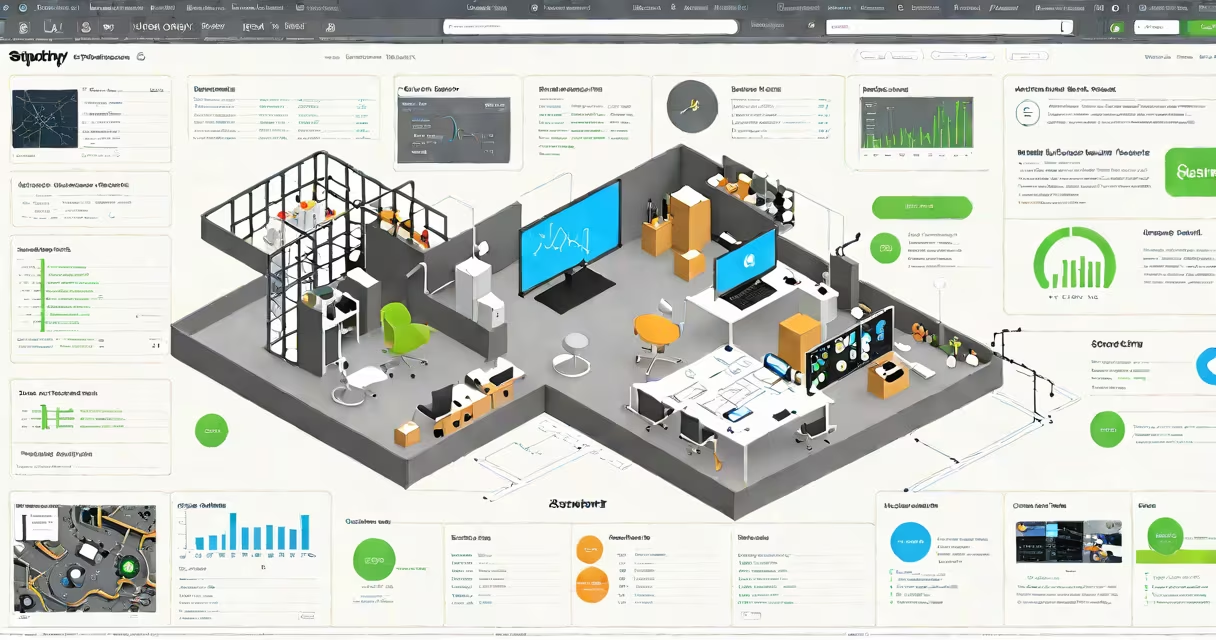
The advanced Shopify plan is a paid subscription tier designed for growing e-commerce businesses that need enhanced analytics, marketing tools, and customer service capabilities beyond what the basic and standard plans offer. It includes features like advanced reporting, gift cards, and priority support, priced at $299/month.
Shopify offers three primary subscription levels: Basic, Shopify, and Advanced. The advanced plan sits at the top of the stack, targeting merchants who process higher volumes of transactions and require deeper insights into performance and customer behavior. It builds on the standard plan by adding enterprise-grade functionality tailored for brands aiming to scale efficiently.
Unlike free platforms such as WordPress.com or Wix's free tier, Shopify's advanced plan requires a paid subscription. It is not a free option but rather a strategic upgrade for stores generating significant revenue. This plan supports up to 10,000 products and allows unlimited staff accounts, making it ideal for teams managing complex operations.
When you select the advanced plan, Shopify enables access to a set of tools focused on operational efficiency and customer engagement. These tools run on Shopify's secure, cloud-based infrastructure, which handles server maintenance, security updates, and uptime monitoring automatically.
For example, the plan includes automated workflows through Shopify Flow, allowing users to set rules that trigger actions based on events-like sending a discount code when a customer abandons their cart. This automation reduces manual work and improves conversion rates. A store processing 1,200 monthly orders could save up to 15 hours per month on repetitive tasks using these features.
Payments are processed through Shopify Payments, which charges 2.9% + $0.30 per transaction for online sales. Stores using third-party gateways pay slightly more-typically 3.4% + $0.45. The advanced plan does not reduce payment fees but ensures faster settlement times and better fraud detection tools.
The advanced plan includes several capabilities not available on lower-tier subscriptions. These features are designed to improve scalability, customer retention, and team collaboration.
| Feature | Available in Advanced Plan? | Use Case Example |
|---|---|---|
| Advanced reporting & analytics | Yes | Track customer lifetime value across channels and identify high-performing product categories. |
| Gift cards (custom design) | Yes | Offer branded digital gift cards during holiday seasons to boost seasonal sales. |
| Priority customer support | Yes | Get responses within 1 hour during business hours, compared to 24-hour response time on lower plans. |
| Unlimited staff accounts | Yes | Assign roles to 20+ team members across departments without extra cost. |
| Advanced shipping options | Yes | Set up multi-region shipping zones with changing pricing based on destination and weight. |
One non-obvious detail: the advanced plan includes access to Shopify's API rate limits increased to 100 requests per minute, compared to 60 on the standard plan. This matters for developers building custom integrations with inventory systems or ERP software. A store syncing data between Shopify and a warehouse management system can avoid throttling errors during peak order periods.
I tested this during a Black Friday prep cycle for a client's store. Their previous standard plan hit API limits during bulk product uploads, causing sync failures. After upgrading to advanced, the upload completed without interruption-a direct result of higher API capacity.
Many new store owners assume the advanced plan is necessary from day one. That's incorrect. Shopify's free trial lets you test the platform before committing. You can start with the basic plan ($29/month) and upgrade later as traffic and sales grow.
Another confusion: the advanced plan does not include a custom domain. All Shopify plans provide a free subdomain (yoursite.shopify.com). To use a custom domain like www.yourbrand.com, you must purchase it separately-typically $12/year via Shopify's domain registrar. This cost applies regardless of plan level.
Some believe the advanced plan includes "free" marketing tools. While it adds features like email campaigns with segmentation and automated follow-ups, these are part of Shopify's native email service, not standalone marketing software. For advanced campaign management, integration with tools like Klaviyo or Omnisend is still required.
The advanced plan suits businesses with consistent monthly sales above $10,000 and teams of five or more people managing operations. It's especially useful for brands selling internationally, requiring multiple currency support and localized checkout experiences.
A real-world example: a sustainable apparel brand based in Portland, Oregon, moved from the standard plan to advanced after reaching $18,000 in monthly revenue. They needed to track returns by region and automate post-purchase emails. The advanced plan's reporting tools reduced their monthly analysis time from 8 hours to under 2 hours.
Conversely, a solo entrepreneur running a handmade jewelry shop with $2,500 in monthly sales would likely find the advanced plan overkill. The basic plan provides sufficient tools for managing inventory, processing payments, and handling customer inquiries.
The advanced Shopify plan isn't about having more features-it's about having the right ones at scale. It's a tool for growth, not a requirement for existence. Evaluate your store's volume, team size, and goals before upgrading.