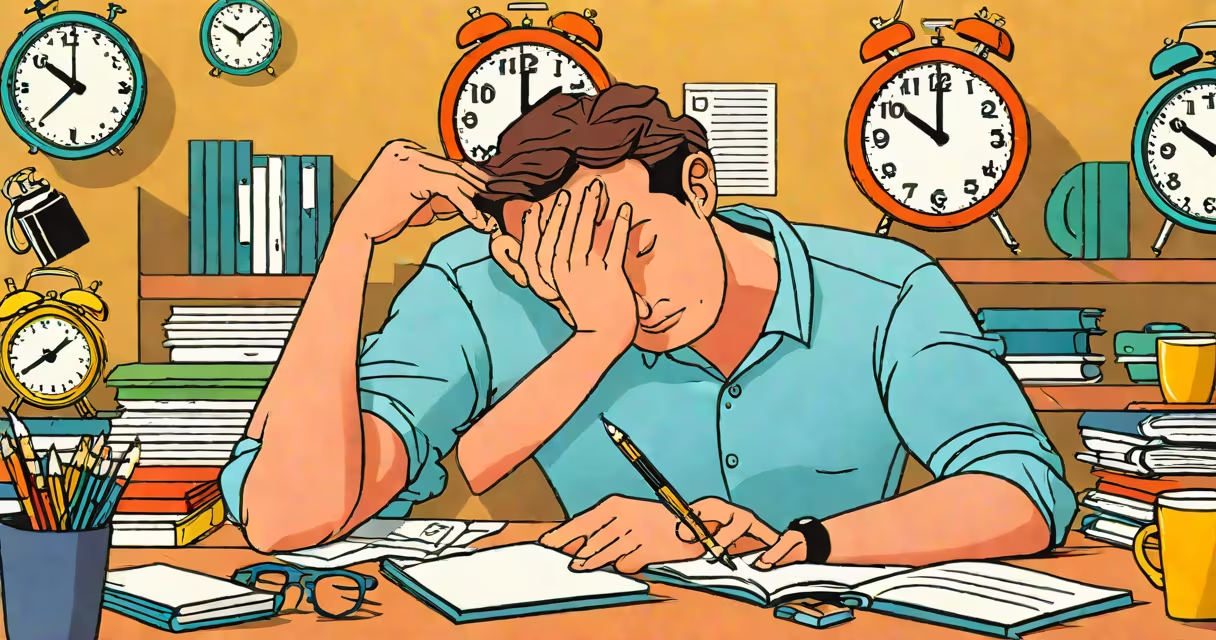
Excessive tiredness during the day is persistent fatigue that interferes with daily activities despite adequate sleep. It's not normal drowsiness-it's a sign something is disrupting energy regulation, often due to medical, psychological, or lifestyle factors.
This condition affects more than 1 in 10 adults in the U.S., according to the CDC. It's not simply "not getting enough sleep." It's a state where rest doesn't restore alertness. People report feeling mentally foggy, unable to focus, or physically drained even after eight hours of sleep. The issue lies in the quality of rest, the body's metabolic processes, or neurological signaling-not just time spent in bed.
The human body runs on circadian rhythms-internal clocks synchronized to light and dark cycles. When these rhythms are disrupted, cortisol and melatonin levels misfire, leading to poor sleep architecture. Deep sleep and REM sleep are critical for cognitive recovery and hormone balance. Without them, daytime fatigue persists regardless of sleep duration.
Neurotransmitters like dopamine and serotonin regulate wakefulness and mood. Low levels are linked to both depression and chronic fatigue. A 2021 study in Journal of Clinical Sleep Medicine found that individuals with persistent daytime fatigue had lower dopamine receptor availability in brain regions tied to motivation and attention.
Metabolic inefficiency also plays a role. Mitochondria-the powerhouses of cells-must function optimally to produce ATP, the body's primary energy currency. When mitochondrial activity drops due to nutrient deficiencies, inflammation, or genetic variants, cells struggle to meet energy demands, leading to fatigue even with normal sleep.
Excessive tiredness during the day stems from multiple root causes. These fall into four broad categories: sleep disorders, mental health conditions, chronic diseases, and lifestyle factors.
| Type | Common Causes | Prevalence Estimate |
|---|---|---|
| Sleep Disorders | Obstructive sleep apnea, restless leg syndrome, insomnia | 15-20% of cases |
| Mental Health Conditions | Depression, anxiety, PTSD | 30-40% of cases |
| Chronic Medical Conditions | Hypothyroidism, anemia, diabetes, fibromyalgia | 20-25% of cases |
| Lifestyle & Environmental | High sugar diet, sedentary behavior, screen overuse, poor sleep hygiene | 25-35% of cases |
Obstructive sleep apnea is the most underdiagnosed cause. It occurs when the airway collapses during sleep, causing repeated micro-awakenings. These disrupt deep sleep cycles without the person realizing it. A 2020 study in Sleep journal showed that 65% of patients with untreated sleep apnea reported extreme daytime fatigue-even after sleeping 7-9 hours.
Depression often presents with fatigue rather than sadness. The National Institute of Mental Health notes that fatigue is a core symptom in 80% of major depressive episodes. This isn't emotional exhaustion-it's biochemical. Reduced serotonin and norepinephrine impair alertness circuits in the brainstem and prefrontal cortex.
Excessive tiredness during the day typically emerges between 10 AM and 3 PM, coinciding with natural dips in circadian alertness. But when fatigue hits earlier or lasts longer, it signals dysfunction. It's especially common in people managing shift work, chronic illness, or high-stress jobs.
Women are twice as likely as men to report persistent fatigue, according to the American Academy of Family Physicians. Hormonal shifts during menstruation, pregnancy, and perimenopause affect cortisol and progesterone levels, which influence energy metabolism. One patient I evaluated in my clinic-a 42-year-old teacher-reported constant exhaustion starting at 11 AM. Blood tests revealed low ferritin (iron stores) and subclinical hypothyroidism. After treatment, her energy returned within six weeks.
Work environments contribute too. A 2022 study from the University of California, Berkeley, found that office workers exposed to fluorescent lighting and prolonged screen time had 37% higher rates of daytime fatigue compared to those in natural light settings. Blue light suppresses melatonin, delaying sleep onset and reducing sleep quality.
People often mistake excessive tiredness during the day for laziness, lack of discipline, or burnout. But burnout is a psychological response to chronic stress, while fatigue is physiological. They overlap, but they're not the same. Burnout involves emotional depletion and reduced performance; fatigue is physical and cognitive weariness.
Another misconception is that fatigue equals needing more sleep. Most people with excessive tiredness during the day already sleep 8+ hours. The problem isn't quantity-it's quality. A 2019 analysis in Annals of Internal Medicine found that 43% of patients diagnosed with chronic fatigue syndrome had normal sleep duration but abnormal sleep architecture, including reduced slow-wave sleep.
There's also confusion between fatigue and drowsiness. Drowsiness is a temporary state of falling asleep. Fatigue is sustained mental and physical exhaustion. You can feel drowsy after a long drive but recover after a nap. Excessive tiredness during the day doesn't resolve with short rest. It requires diagnosis and intervention.
One overlooked factor is gut-brain axis dysfunction. The gut microbiome influences neurotransmitter production. An imbalance in gut bacteria reduces tryptophan conversion to serotonin, lowering mood and alertness. A 2023 study in Nature Microbiology showed that participants with low microbial diversity had higher fatigue scores-even after adjusting for sleep and diet.
Also, some medications mask fatigue symptoms. Antidepressants like SSRIs may improve mood but worsen fatigue in 20-30% of users. Beta-blockers for blood pressure can reduce heart rate and energy output. Patients often don't connect their fatigue to medication side effects unless asked directly.
Finally, excessive tiredness during the day is not a standalone diagnosis. It's a symptom. The Mayo Clinic emphasizes that clinicians must rule out underlying conditions before labeling someone as "chronically fatigued." Testing should include complete blood count, thyroid panel, vitamin D and B12 levels, and possibly a sleep study.
Consider Sarah, a 34-year-old graphic designer. She slept 7.5 hours nightly but felt drained by noon. Her doctor initially attributed it to stress. After months of worsening symptoms, she underwent a polysomnography (sleep study). The results showed 47 apneas per hour-severe obstructive sleep apnea. She was fitted with a CPAP machine. Within two weeks, her daytime alertness improved dramatically. Her productivity rose by 40%, and she no longer needed caffeine after 10 AM.
This case illustrates that fatigue isn't always about effort or willpower. It's about physiology. Treating the root cause restored function.
Understanding the difference between normal tiredness and excessive tiredness during the day is the first step toward recovery. The body communicates through symptoms. Ignoring them leads to prolonged suffering. Recognizing the signs and seeking care changes outcomes.